
Total results 55
Total results 55
Search results for "Infectious diseases"
-
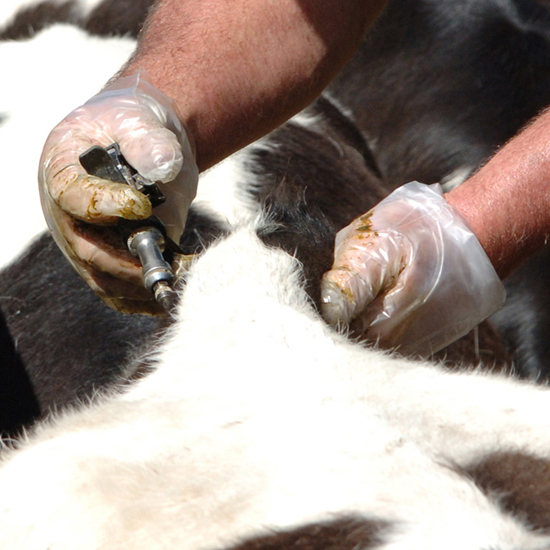 Bovine Tuberculosis
Bovine tuberculosis (TB) is a serious disease that threatens herd health and New Zealand’s dairy and beef industries. TB control and eradication is a shared responsibility, led through the TBfree programme managed by OSPRI and supported by DairyNZ.
Biosecurity•1 min read
Bovine Tuberculosis
Bovine tuberculosis (TB) is a serious disease that threatens herd health and New Zealand’s dairy and beef industries. TB control and eradication is a shared responsibility, led through the TBfree programme managed by OSPRI and supported by DairyNZ.
Biosecurity•1 min read
-
 Visitor biosecurity management
Proactive visitor biosecurity management helps protect your herd and your business. Visitors can unknowingly bring in diseases, weeds or pests that threaten animal health and farm productivity.
Biosecurity•2 min read
Visitor biosecurity management
Proactive visitor biosecurity management helps protect your herd and your business. Visitors can unknowingly bring in diseases, weeds or pests that threaten animal health and farm productivity.
Biosecurity•2 min read
-
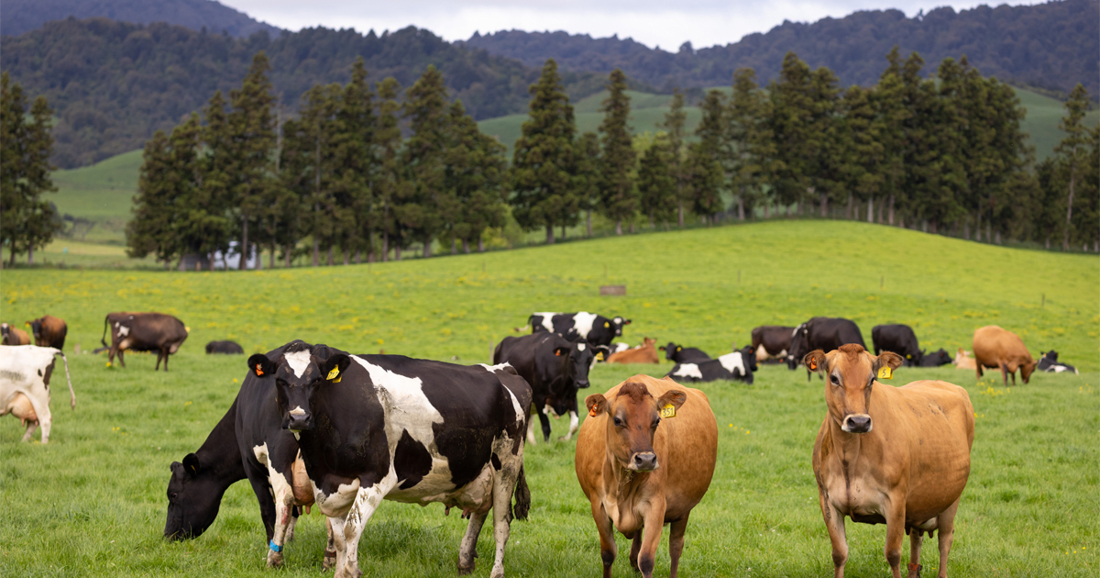 Finish line in sight in Mycoplasma bovis eradication
The Ministry for Primary Industries, OSPRI and the country’s dairy and beef sectors are today marking that New Zealand is on the home straight to eradicate the cattle disease Mycoplasma bovis.
Media releases•1 Dec 2025
•3 min read
Finish line in sight in Mycoplasma bovis eradicationThe Ministry for Primary Industries, OSPRI and the country’s dairy and beef sectors are today marking that New Zealand is on the home straight to eradicate the cattle disease Mycoplasma bovis.
Media releases•1 Dec 2025
•3 min read
-
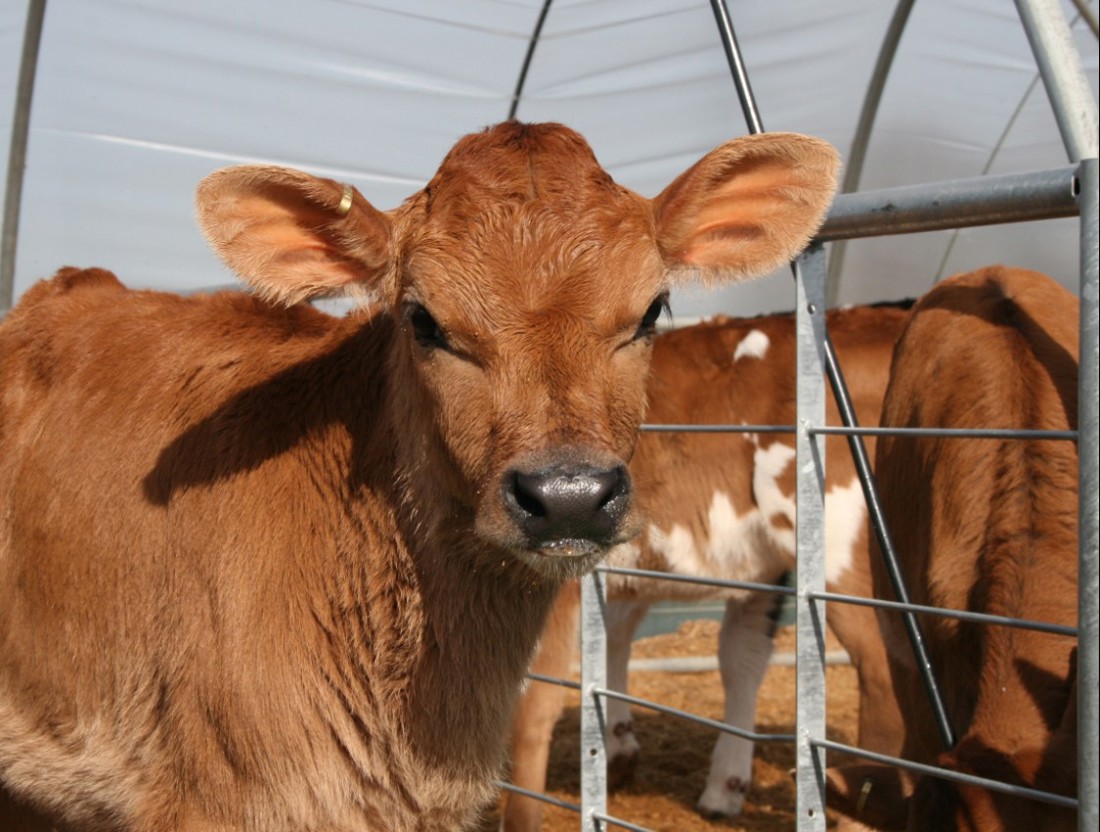 Calf housing
Clean and comfortable calf sheds help create a nurturing environment for calves, reduces the risk of disease and encourages high growth rates.
Animal•3 min read
Calf housing
Clean and comfortable calf sheds help create a nurturing environment for calves, reduces the risk of disease and encourages high growth rates.
Animal•3 min read
-
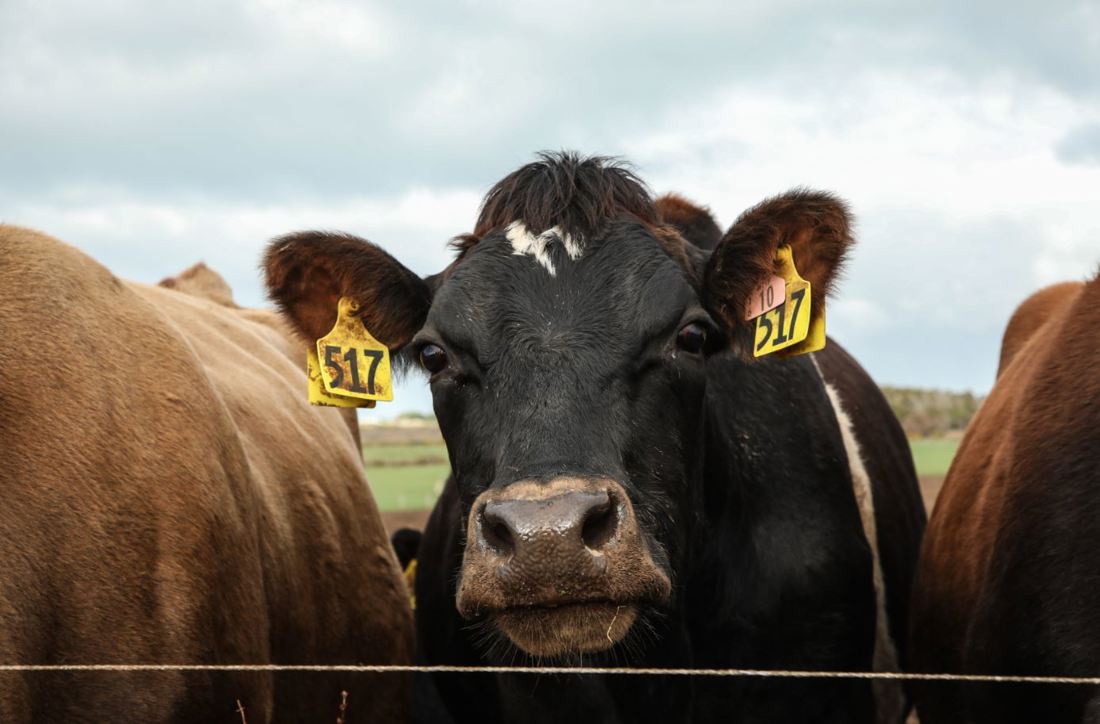 Ketosis
Clinical ketosis is a metabolic disease in cows, occurring when they are in severe negative energy balance, particularly during early lactation and may occur as a secondary condition to other health challenges the cow may be experiencing.
Animal•4 min read
Ketosis
Clinical ketosis is a metabolic disease in cows, occurring when they are in severe negative energy balance, particularly during early lactation and may occur as a secondary condition to other health challenges the cow may be experiencing.
Animal•4 min read
-
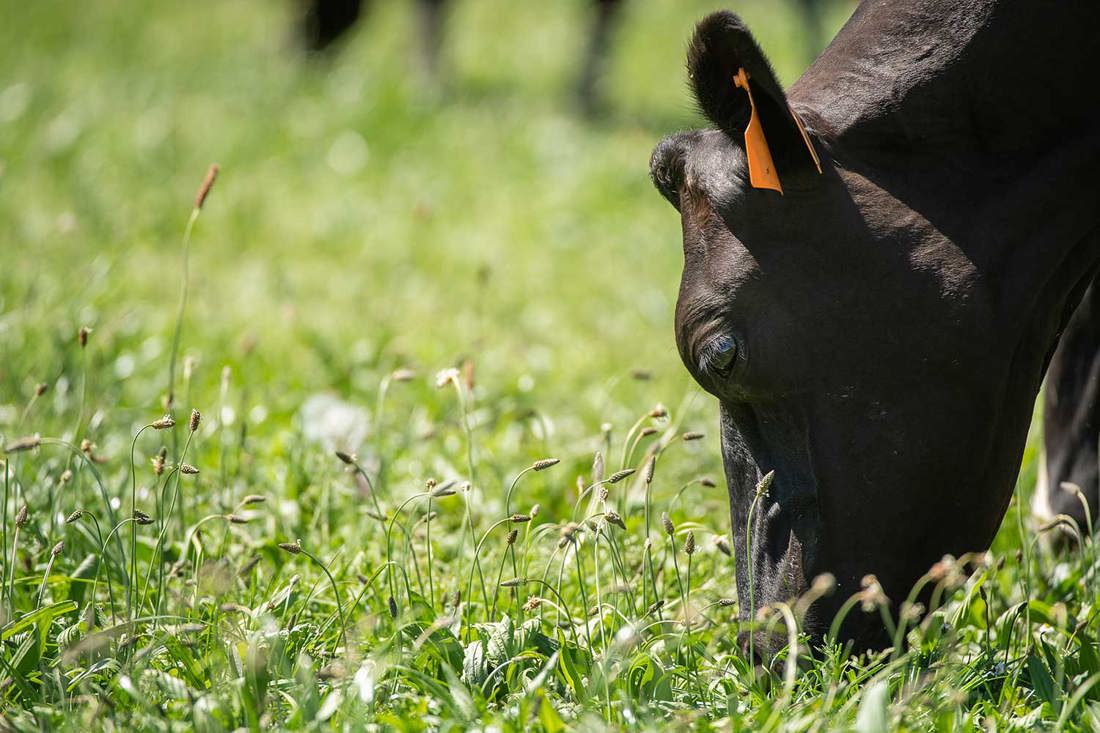 Facial eczema
Facial eczema (FE) is a disease caused by a toxin from a fungus in pasture, predominantly in late summer and autumn. It can cause liver damage, skin irritation, and a drop in milk production.
Animal•4 min read
Facial eczema
Facial eczema (FE) is a disease caused by a toxin from a fungus in pasture, predominantly in late summer and autumn. It can cause liver damage, skin irritation, and a drop in milk production.
Animal•4 min read
-
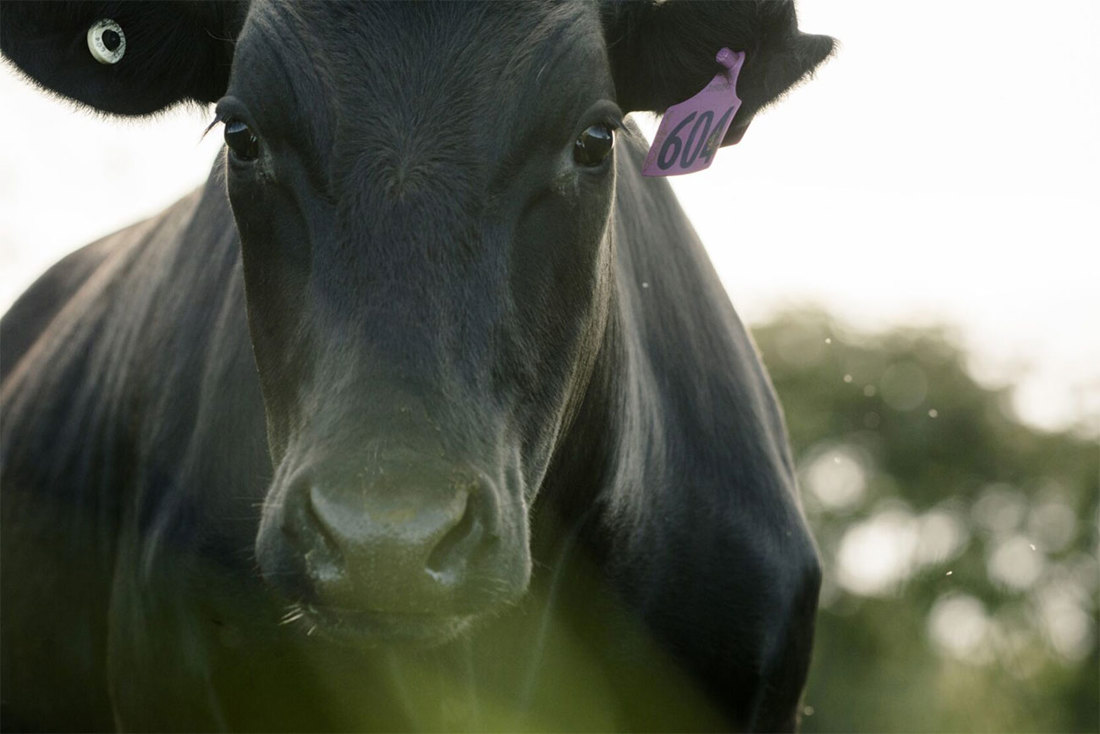 NAIT
NAITIf you're in charge of cattle or deer, you must meet legal obligations like registering your farm, tagging and registering your animals with approved RFID tags, and recording all animal movements within 48 hours.
Biosecurity•2 min read
NAIT
If you're in charge of cattle or deer, you must meet legal obligations like registering your farm, tagging and registering your animals with approved RFID tags, and recording all animal movements within 48 hours.
Biosecurity•2 min read
-
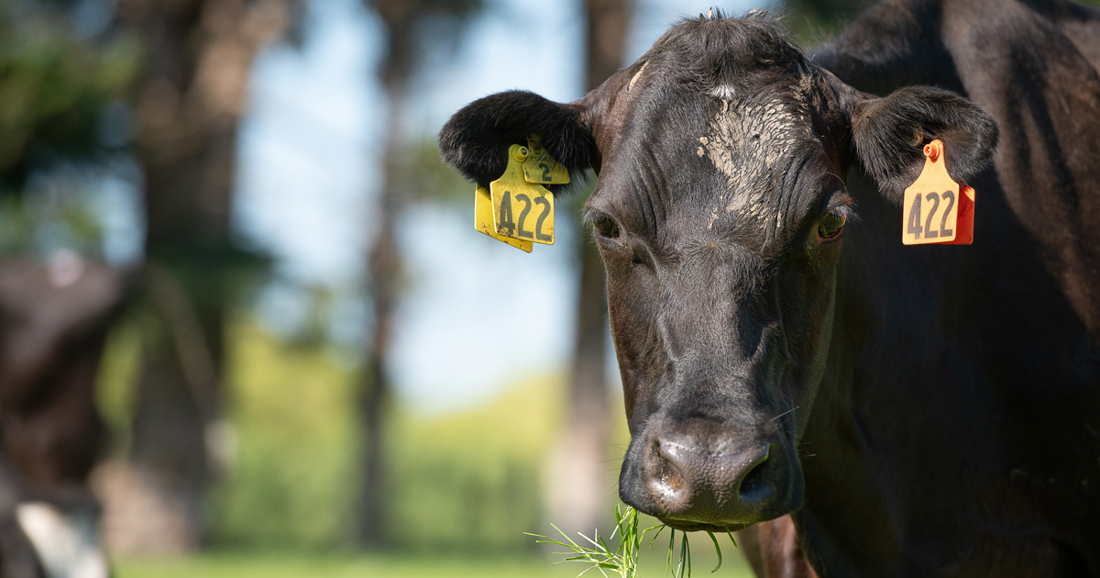 Bovine viral diarrhoea (BVD)
Bovine viral diarrhoea (BVD) is a widespread disease impacting around 80% of New Zealand’s dairy and beef herds, causing losses in reproduction, increased disease, reduced growth and milk production.
Animal•2 min read
Bovine viral diarrhoea (BVD)
Bovine viral diarrhoea (BVD) is a widespread disease impacting around 80% of New Zealand’s dairy and beef herds, causing losses in reproduction, increased disease, reduced growth and milk production.
Animal•2 min read
-
 Dead stock disposal
Dead stock management is the process of dealing with farm animal fatalities. It is important to appropriately dispose of carcasses to avoid spreading diseases, contaminating water, and harming the dairy industry's public image.
Environment•2 min read
Dead stock disposal
Dead stock management is the process of dealing with farm animal fatalities. It is important to appropriately dispose of carcasses to avoid spreading diseases, contaminating water, and harming the dairy industry's public image.
Environment•2 min read
-
 Salmonella
Salmonellosis is the most common disease associated with acute diarrhoea in adult dairy cows. Salmonella bacteria from cattle can also be transferred to humans, causing significant illness.
Animal•2 min read
Salmonella
Salmonellosis is the most common disease associated with acute diarrhoea in adult dairy cows. Salmonella bacteria from cattle can also be transferred to humans, causing significant illness.
Animal•2 min read
-
 Understanding transition cows
Managing your cows during the transition from pregnancy to lactation helps prevent diseases and optimises seasonal performance. This period sees the cow's nutrient requirements spike but intake doesn't match up, leading to negative energy balance.
Animal•3 min read
Understanding transition cows
Managing your cows during the transition from pregnancy to lactation helps prevent diseases and optimises seasonal performance. This period sees the cow's nutrient requirements spike but intake doesn't match up, leading to negative energy balance.
Animal•3 min read
-
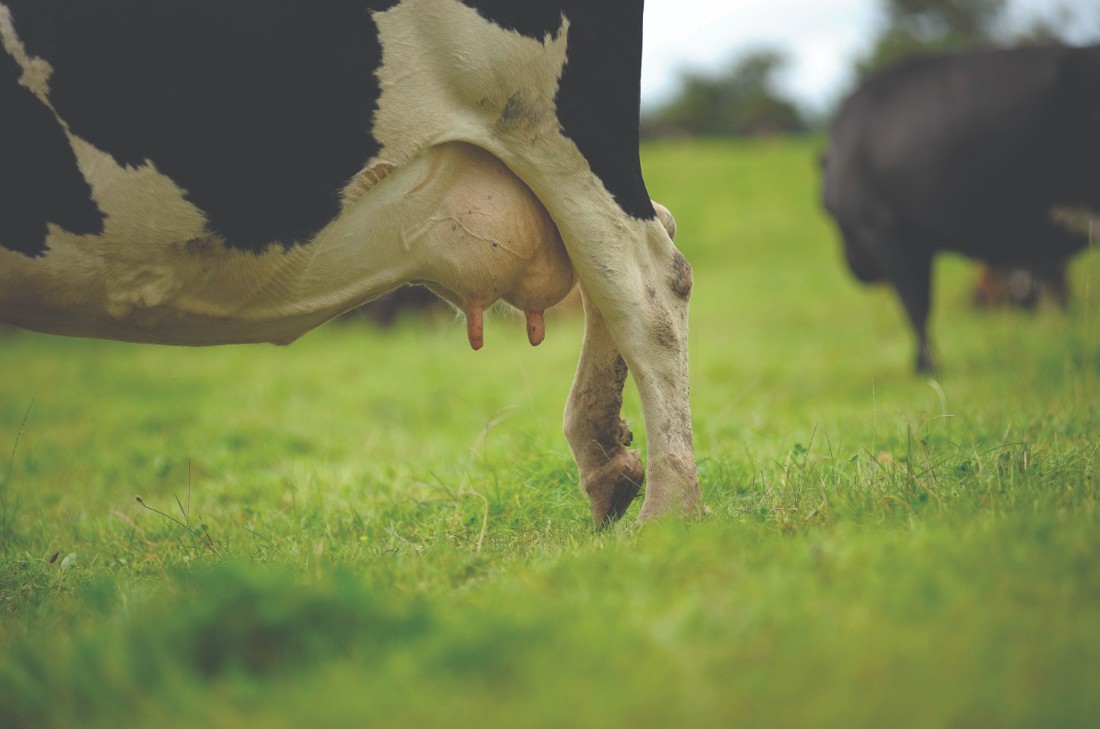 Treating lameness
Lameness treatment in cows is crucial for quick recovery. This page details how to effectively treat various hoof conditions, such as white line disease, sole bruising, hoof wall cracks, and digital dermatitis.
Animal•2 min read
Treating lameness
Lameness treatment in cows is crucial for quick recovery. This page details how to effectively treat various hoof conditions, such as white line disease, sole bruising, hoof wall cracks, and digital dermatitis.
Animal•2 min read
-
 Acidosis
Acidosis is a metabolic condition that affects cows when their rumen pH levels drop below normal. This is often due to a high-starch diet. You'll recognise acidosis when your cows show signs like scouring, depression, and milk fever-like symptoms.
Animal•2 min read
Acidosis
Acidosis is a metabolic condition that affects cows when their rumen pH levels drop below normal. This is often due to a high-starch diet. You'll recognise acidosis when your cows show signs like scouring, depression, and milk fever-like symptoms.
Animal•2 min read
-
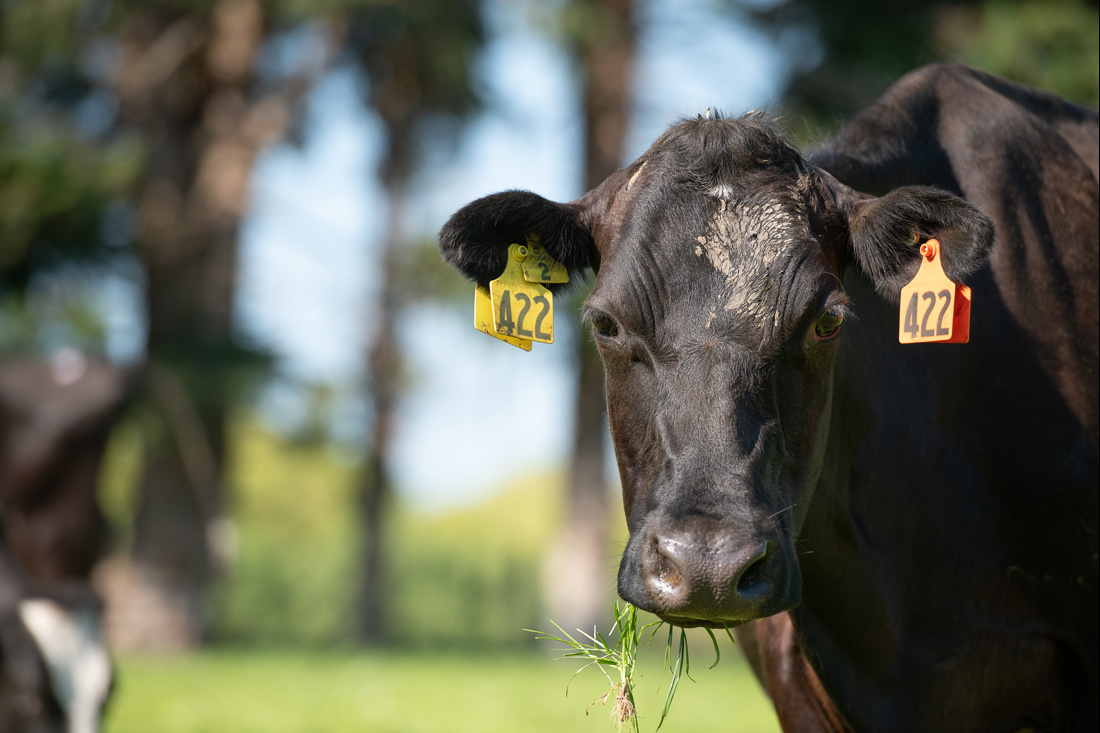 Staggers
Grass staggers is a metabolic disease in cows caused by a magnesium deficiency. By giving cows extra magnesium in their diet, you can prevent health issues like grass staggers and milk fever, which can help increase milk production.
Animal•4 min read
Staggers
Grass staggers is a metabolic disease in cows caused by a magnesium deficiency. By giving cows extra magnesium in their diet, you can prevent health issues like grass staggers and milk fever, which can help increase milk production.
Animal•4 min read
-
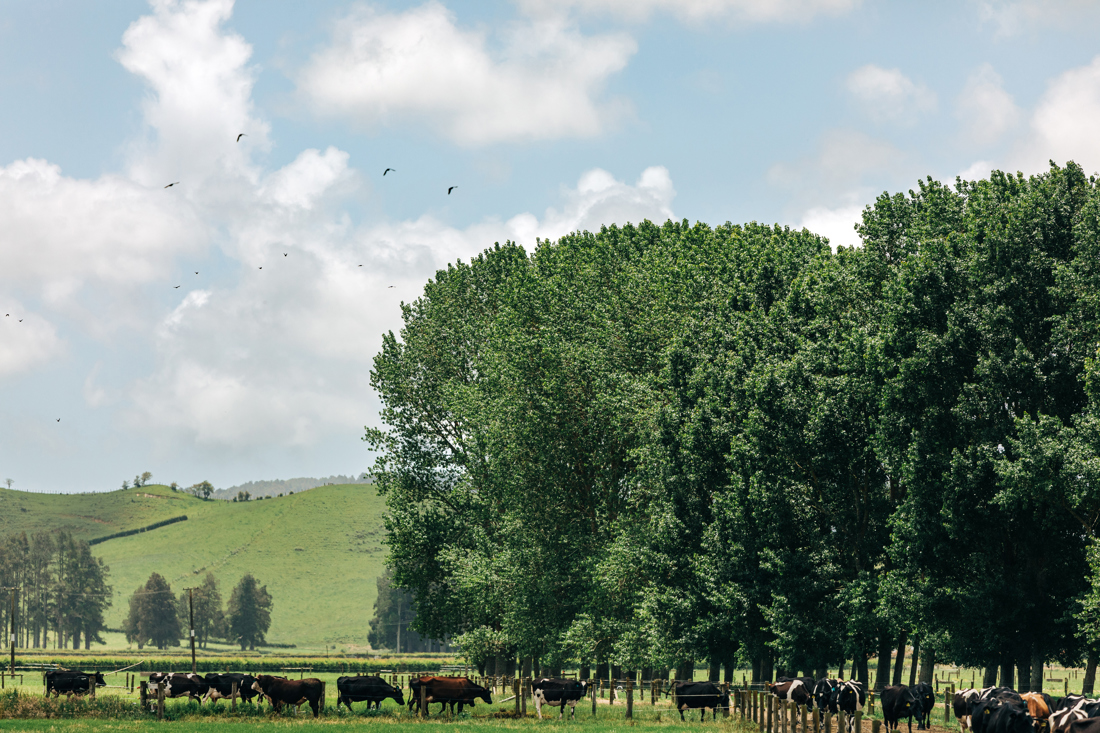 Theileria
Theileriosis is a cattle disease spread by ticks, causing anaemia and sometimes death, especially in calves and cows during calving.
Animal•3 min read
Theileria
Theileriosis is a cattle disease spread by ticks, causing anaemia and sometimes death, especially in calves and cows during calving.
Animal•3 min read
-
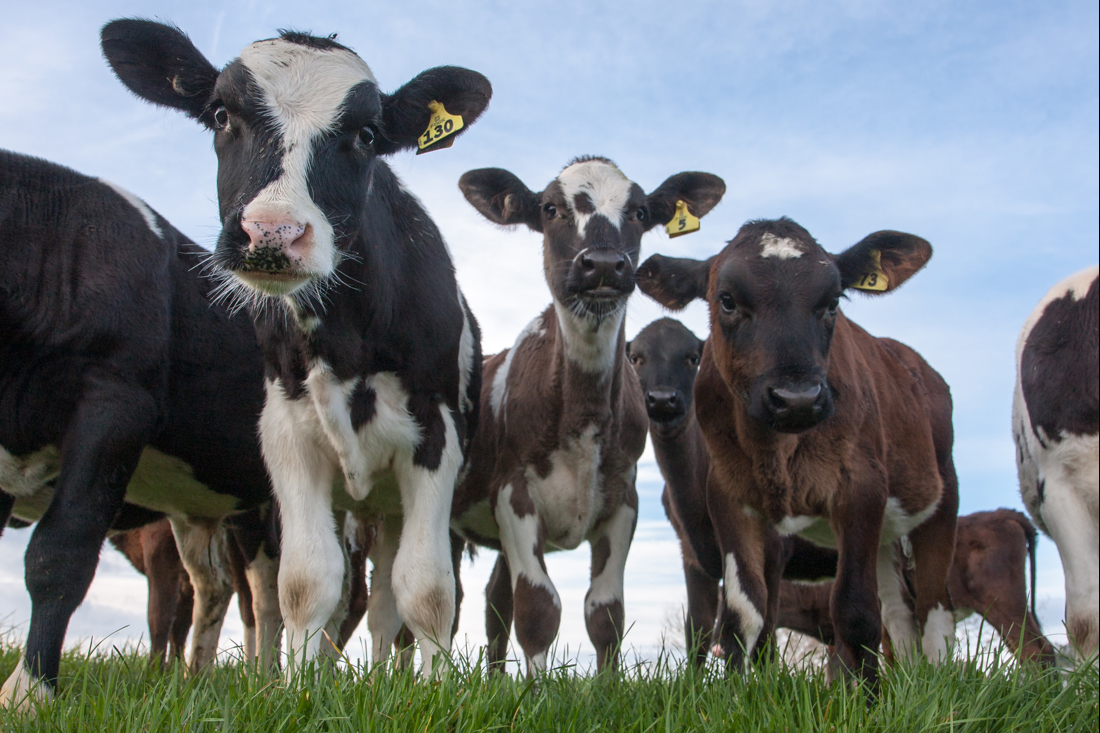 Coccidiosis
Coccidiosis is a disease mainly affecting young cattle, causing diarrhoea that can lead to dehydration or even death. The disease comes from parasites found in infected feed, water, or from self-grooming.
Animal•2 min read
Coccidiosis
Coccidiosis is a disease mainly affecting young cattle, causing diarrhoea that can lead to dehydration or even death. The disease comes from parasites found in infected feed, water, or from self-grooming.
Animal•2 min read
-
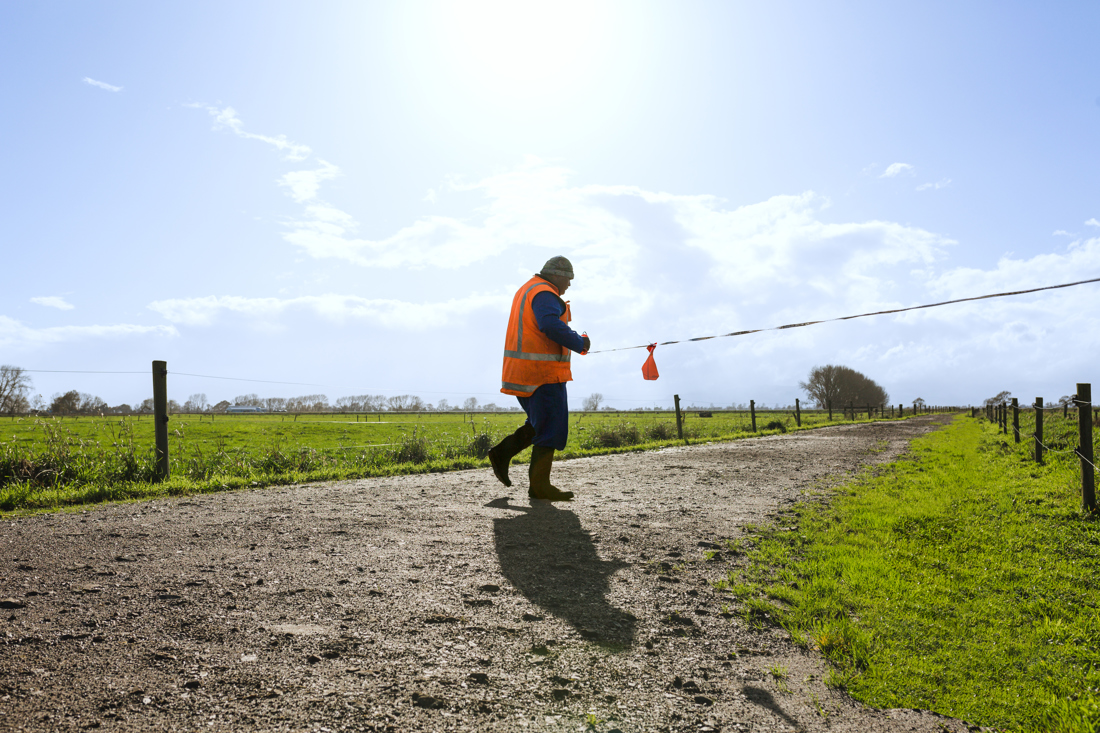 Evaluating biosecurity risks
Exotic animal diseases, pest plants, and insect pests are significant threats to New Zealand's dairy farming. The page details DairyNZ's proactive steps to identify these risks through the Dairy Biosecurity Risk Evaluation framework (D-BRiEF).
Biosecurity•2 min read
Evaluating biosecurity risks
Exotic animal diseases, pest plants, and insect pests are significant threats to New Zealand's dairy farming. The page details DairyNZ's proactive steps to identify these risks through the Dairy Biosecurity Risk Evaluation framework (D-BRiEF).
Biosecurity•2 min read
-
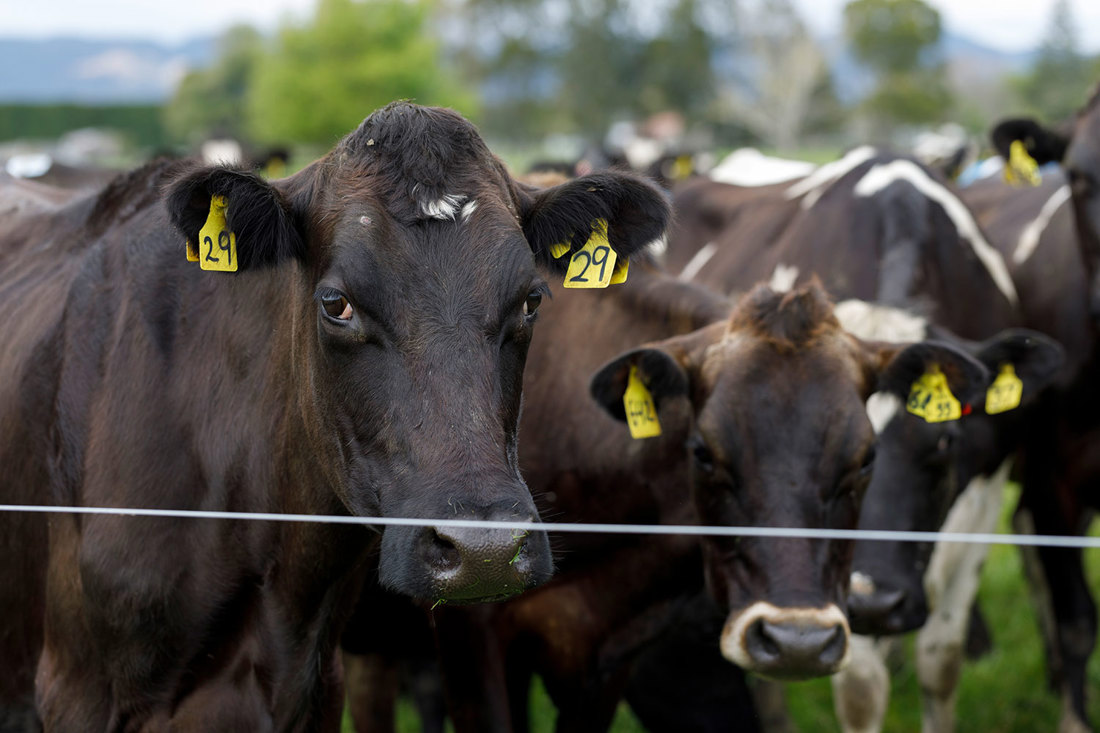 Biosecurity
Biosecurity is about reducing the risk of diseases, weeds or pests entering, spreading or leaving your farm.
Biosecurity
Biosecurity is about reducing the risk of diseases, weeds or pests entering, spreading or leaving your farm.
-
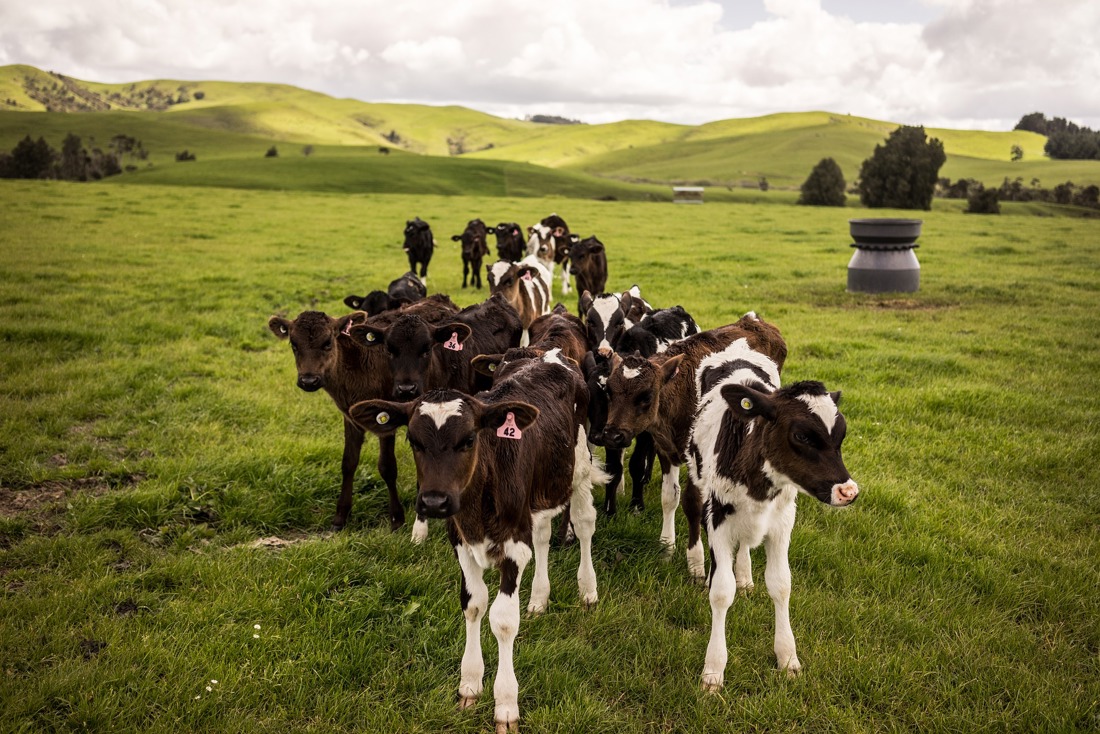 Animal health
From lameness and heat stress, to facial eczema, Johne's disease and Theileria, keep up to date with the latest on cow health.
Animal health
From lameness and heat stress, to facial eczema, Johne's disease and Theileria, keep up to date with the latest on cow health.
-
Submission on Biosecurity (Ruminant Protein) Regulations 1999 (June 2026)
We support strengthening the Ruminant Protein Regulations and advocate for policy to manage disease transmission risk and maintain New Zealand’s negligible bovine spongiform encephalopathy (BSE) status, as recognised by the World Organisation for Animal Health (WOAH).
Resources
•Regulations
•Submission on Biosecurity (Ruminant Protein) Regulations 1999 (June 2026)
We support strengthening the Ruminant Protein Regulations and advocate for policy to manage disease transmission risk and maintain New Zealand’s negligible bovine spongiform encephalopathy (BSE) status, as recognised by the World Organisation for Animal Health (WOAH).
Resources
•Regulations
•


