
Total results 764
Total results 764
Search results for "Dairy technology"
-
 Farmers forum 2025
Explore insights from the 2025 Farmers Forum series, where 500+ farmers and experts discussed dairy’s future. Access resources, podcasts, and speaker highlights on trade, tech, climate, and farm business strategy.
Farmers forum 2025
Explore insights from the 2025 Farmers Forum series, where 500+ farmers and experts discussed dairy’s future. Access resources, podcasts, and speaker highlights on trade, tech, climate, and farm business strategy.
-
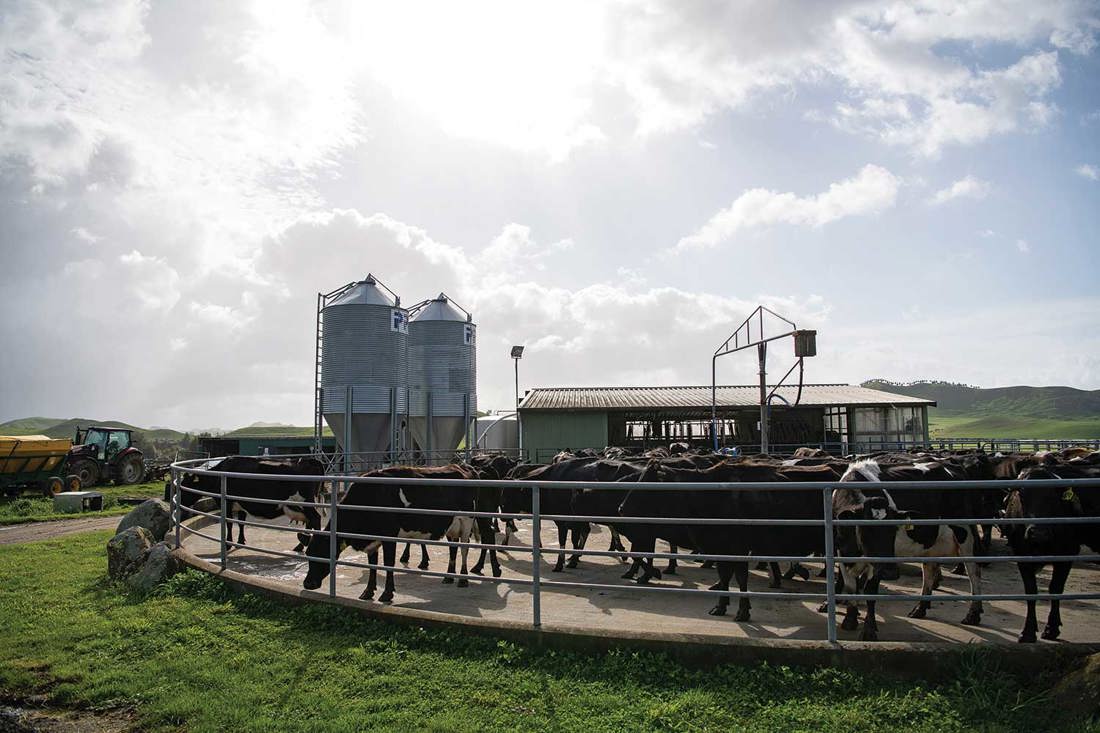 Implementing flexible milking
Discover the benefits of flexible milking for dairy farms - DairyNZ provides insights on milking intervals beyond OAD and TAD.
Milking•20 min read
Implementing flexible milking
Discover the benefits of flexible milking for dairy farms - DairyNZ provides insights on milking intervals beyond OAD and TAD.
Milking•20 min read
-
 Backing gates
Backing gates are tools used in the dairy yard to improve cow flow into the dairy, leading to more efficient milking. Moving the gate little and often takes up space in the yard, while still providing cows enough room is important.
Milking•3 min read
Backing gates
Backing gates are tools used in the dairy yard to improve cow flow into the dairy, leading to more efficient milking. Moving the gate little and often takes up space in the yard, while still providing cows enough room is important.
Milking•3 min read
-
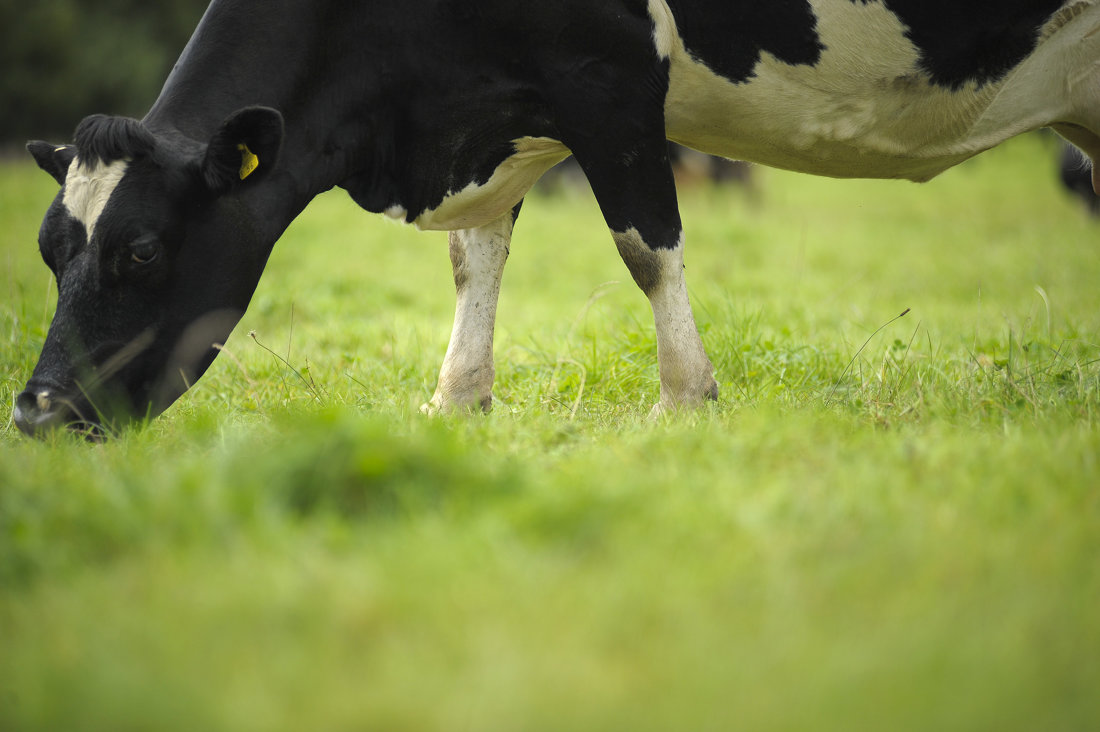 Sodium Deficiency
Sodium is vital for dairy cows, aiding in water balance and nerve and muscle function. It's expelled routinely and needs replacing. This page discusses how certain regions, like the Central Plateau pumice soils, can be deficient in sodium.
Animal•1 min read
Sodium Deficiency
Sodium is vital for dairy cows, aiding in water balance and nerve and muscle function. It's expelled routinely and needs replacing. This page discusses how certain regions, like the Central Plateau pumice soils, can be deficient in sodium.
Animal•1 min read
-
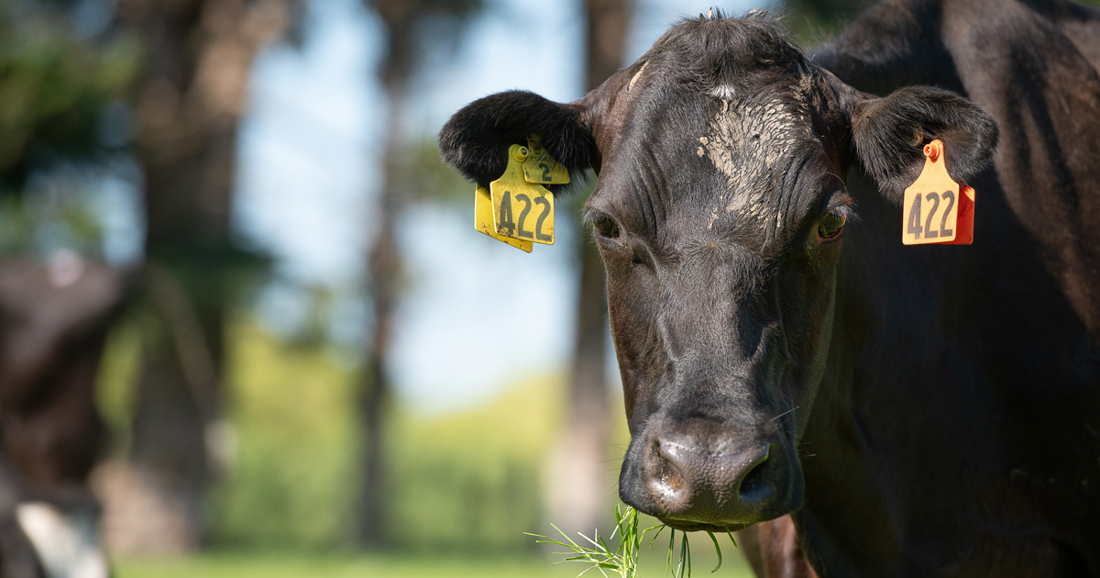 Bovine viral diarrhoea (BVD)
Bovine viral diarrhoea (BVD) is a widespread disease impacting around 80% of New Zealand’s dairy and beef herds, causing losses in reproduction, increased disease, reduced growth and milk production.
Animal•2 min read
Bovine viral diarrhoea (BVD)
Bovine viral diarrhoea (BVD) is a widespread disease impacting around 80% of New Zealand’s dairy and beef herds, causing losses in reproduction, increased disease, reduced growth and milk production.
Animal•2 min read
-
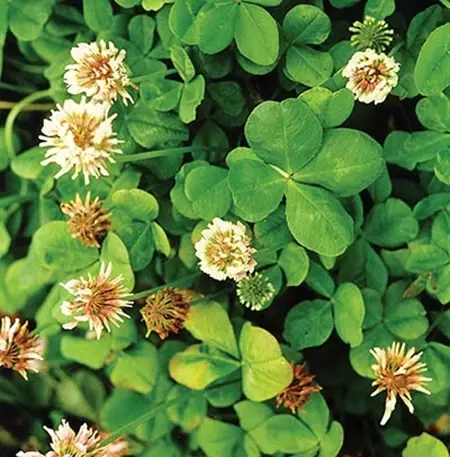 White clover and alternatives
White clover is a top-quality feed used widely in New Zealand's dairy pastures. Different types have varying purposes in dairy farming. Italian and Annual ryegrass, and Red clover perform well in summer dry areas, complementing white clover in mixes.
Feed•6 min read
White clover and alternatives
White clover is a top-quality feed used widely in New Zealand's dairy pastures. Different types have varying purposes in dairy farming. Italian and Annual ryegrass, and Red clover perform well in summer dry areas, complementing white clover in mixes.
Feed•6 min read
-
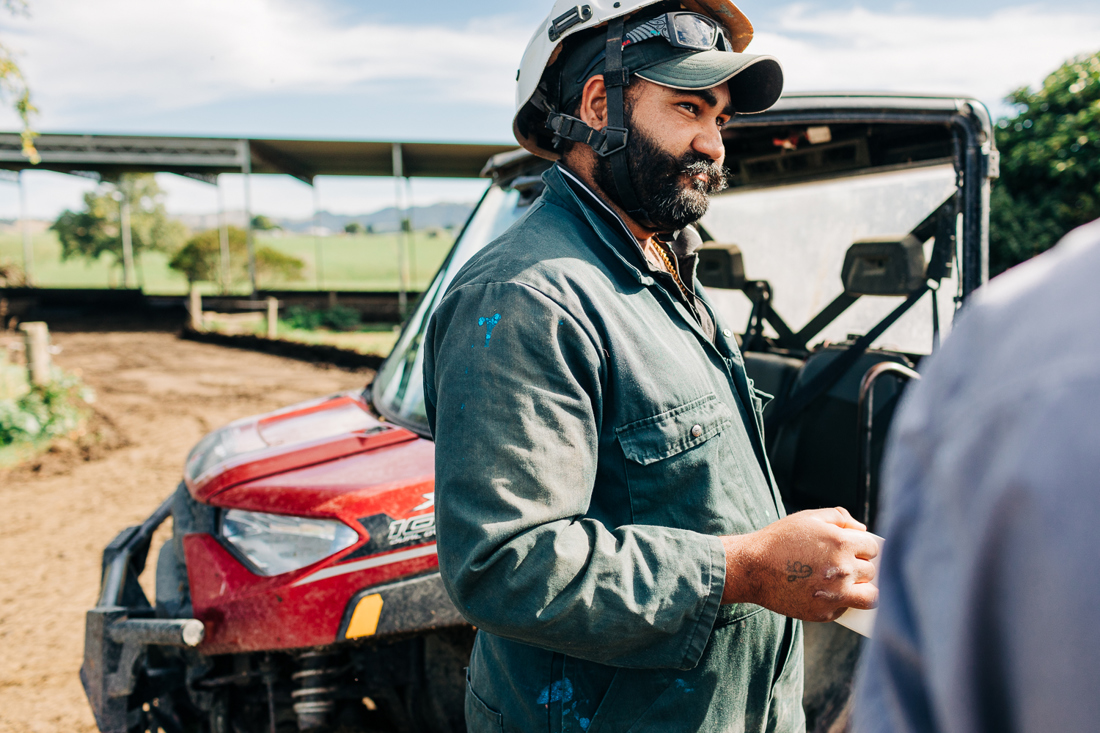 Business ownership opportunities
The nature and scale of many dairy farming businesses is changing and there are many self-employed business opportunities available for individuals and partnerships.
People•2 min read
Business ownership opportunities
The nature and scale of many dairy farming businesses is changing and there are many self-employed business opportunities available for individuals and partnerships.
People•2 min read
-
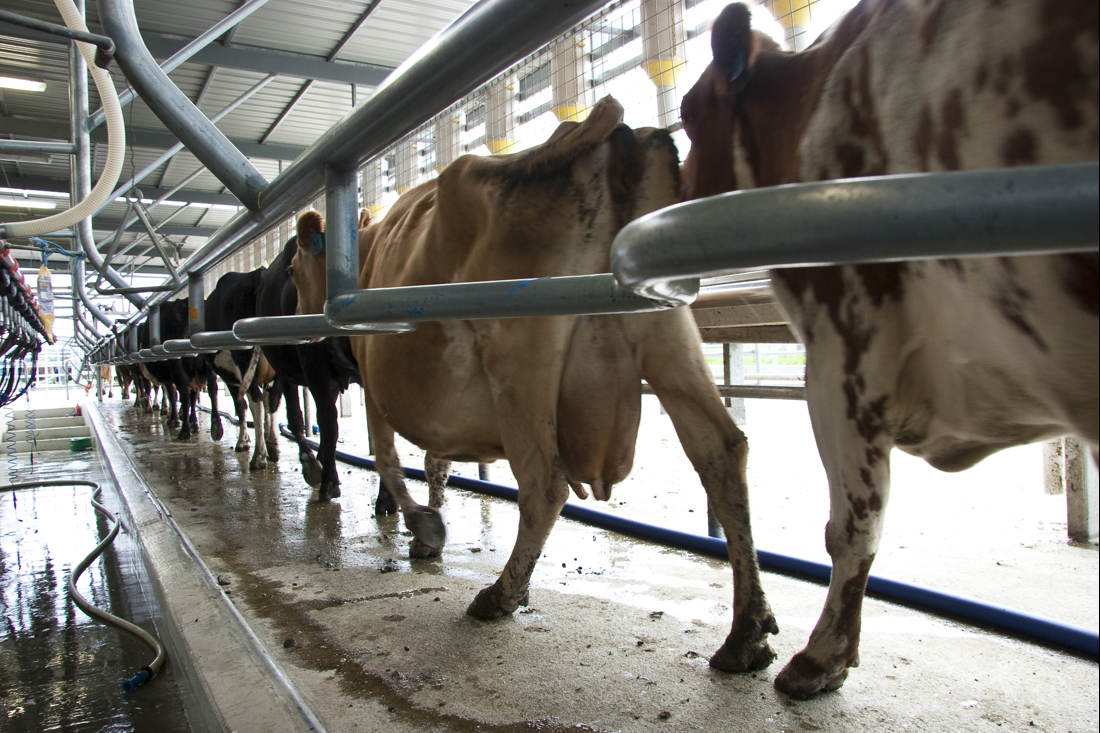 Lactating cow
Calculating Metabolisable Energy (ME) needs is important for dairy cows. You adjust for feed quality by adding or subtracting 4% per MJ ME/kg DM from the standard 11.0 MJ ME/kg DM.
Animal•2 min read
Lactating cow
Calculating Metabolisable Energy (ME) needs is important for dairy cows. You adjust for feed quality by adding or subtracting 4% per MJ ME/kg DM from the standard 11.0 MJ ME/kg DM.
Animal•2 min read
-
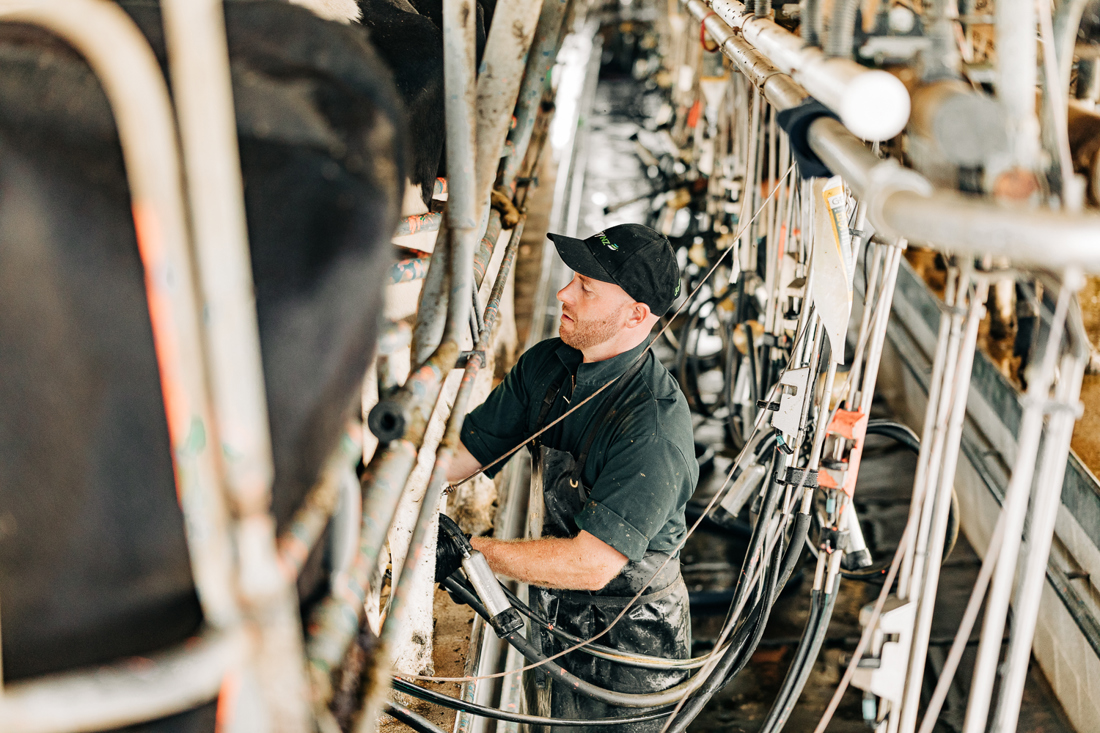 Herringbone routine
Here you’ll learn about ways to make your herringbone dairy more effective, often for little or no extra cost. The swing-over herringbone is the most common dairy type in New Zealand, used on 69% of dairy farms.
Milking•2 min read
Herringbone routine
Here you’ll learn about ways to make your herringbone dairy more effective, often for little or no extra cost. The swing-over herringbone is the most common dairy type in New Zealand, used on 69% of dairy farms.
Milking•2 min read
-
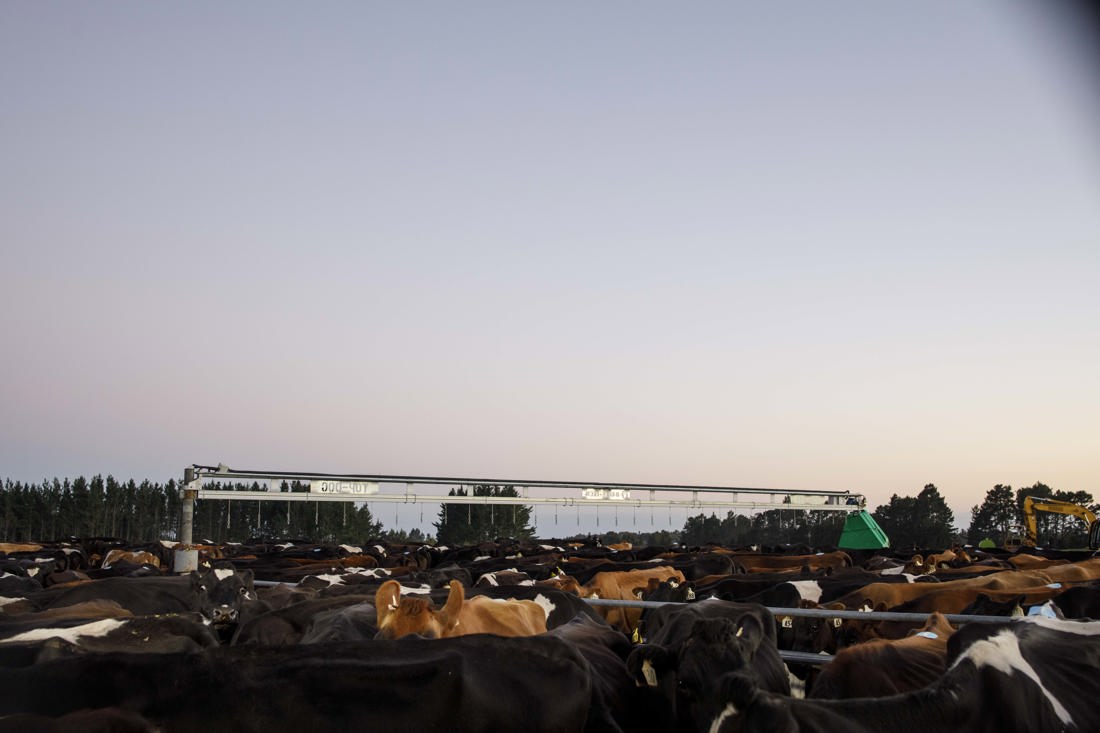 Trace elements
Trace elements, including cobalt, copper, iodine, selenium, and zinc, play a vital role in dairy cow nutrition. Your cows need these elements for functions like growth, reproduction, and milk production.
Animal•2 min read
Trace elements
Trace elements, including cobalt, copper, iodine, selenium, and zinc, play a vital role in dairy cow nutrition. Your cows need these elements for functions like growth, reproduction, and milk production.
Animal•2 min read
-
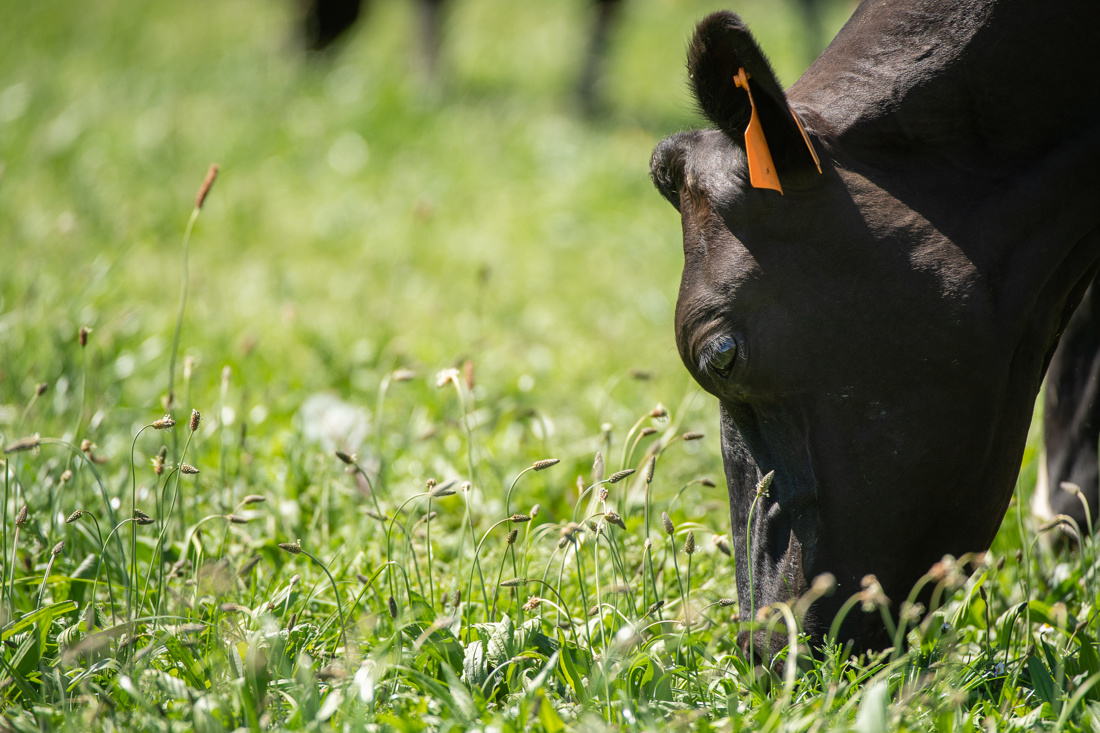 Carbohydrate
Carbohydrates, forming about 75% of plant dry matter, provide the major energy source for dairy cows and aid in milk glucose and fat production.
Animal•2 min read
Carbohydrate
Carbohydrates, forming about 75% of plant dry matter, provide the major energy source for dairy cows and aid in milk glucose and fat production.
Animal•2 min read
-
 Dead stock disposal
Dead stock management is the process of dealing with farm animal fatalities. It is important to appropriately dispose of carcasses to avoid spreading diseases, contaminating water, and harming the dairy industry's public image.
Environment•2 min read
Dead stock disposal
Dead stock management is the process of dealing with farm animal fatalities. It is important to appropriately dispose of carcasses to avoid spreading diseases, contaminating water, and harming the dairy industry's public image.
Environment•2 min read
-
 Salmonella
Salmonellosis is the most common disease associated with acute diarrhoea in adult dairy cows. Salmonella bacteria from cattle can also be transferred to humans, causing significant illness.
Animal•2 min read
Salmonella
Salmonellosis is the most common disease associated with acute diarrhoea in adult dairy cows. Salmonella bacteria from cattle can also be transferred to humans, causing significant illness.
Animal•2 min read
-
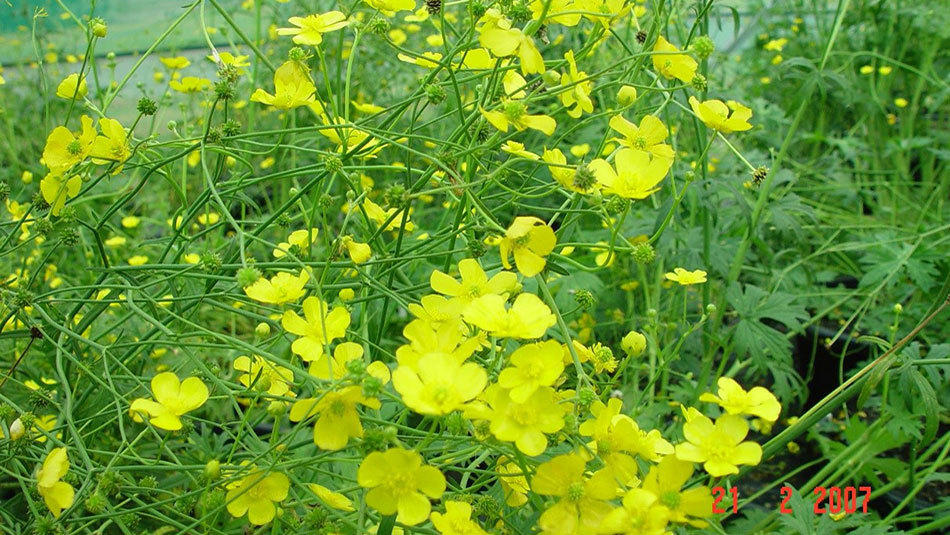 Giant Buttercup
Giant buttercup, one of 14 weedy Ranunculus species in New Zealand, is harmful to dairy pastures because cows find it distasteful due to its toxin, protoanemonin. This weed spreads across dairy farms, damaging pasture quality.
Feed•3 min read
Giant Buttercup
Giant buttercup, one of 14 weedy Ranunculus species in New Zealand, is harmful to dairy pastures because cows find it distasteful due to its toxin, protoanemonin. This weed spreads across dairy farms, damaging pasture quality.
Feed•3 min read
-
 Feed density and storage
Feed density and storage are crucial for dairy farming. Proper planning optimises storage solutions and maximises feed resources. Use our tables to help calculate storage space requirements when planning new or evaluating current storage.
Feed•1 min read
Feed density and storage
Feed density and storage are crucial for dairy farming. Proper planning optimises storage solutions and maximises feed resources. Use our tables to help calculate storage space requirements when planning new or evaluating current storage.
Feed•1 min read
-
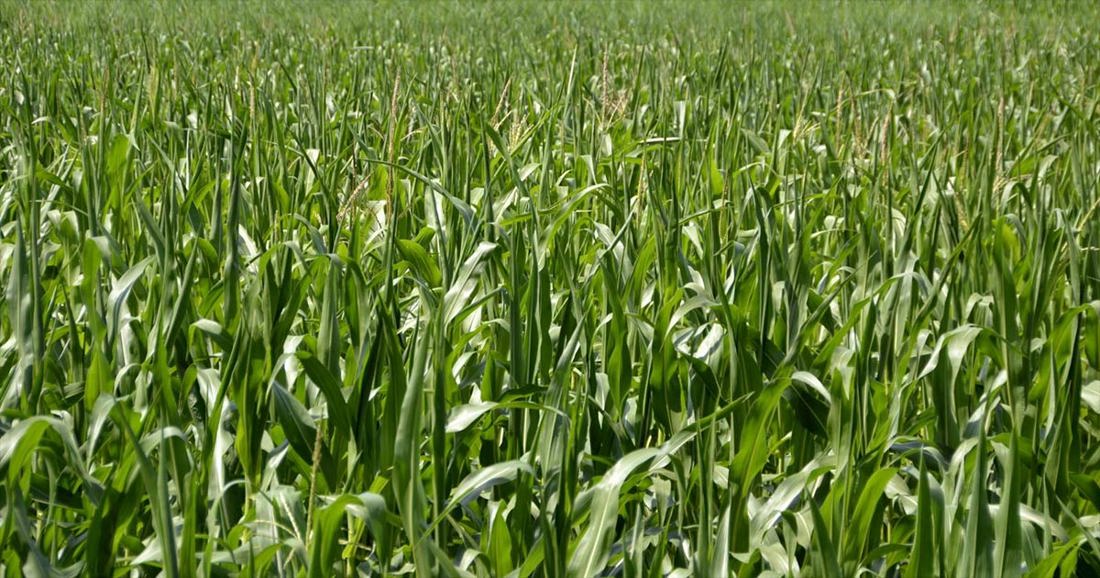 Maize
MaizeMaize is an essential crop for New Zealand dairy farmers, helping enhance feed supply, manage climatic risks, and support pasture renewal. Growing maize on a dairy farm can also extract soil nutrients and reduce costs in high-fertility effluent areas
Feed•7 min read
Maize
Maize is an essential crop for New Zealand dairy farmers, helping enhance feed supply, manage climatic risks, and support pasture renewal. Growing maize on a dairy farm can also extract soil nutrients and reduce costs in high-fertility effluent areas
Feed•7 min read
-
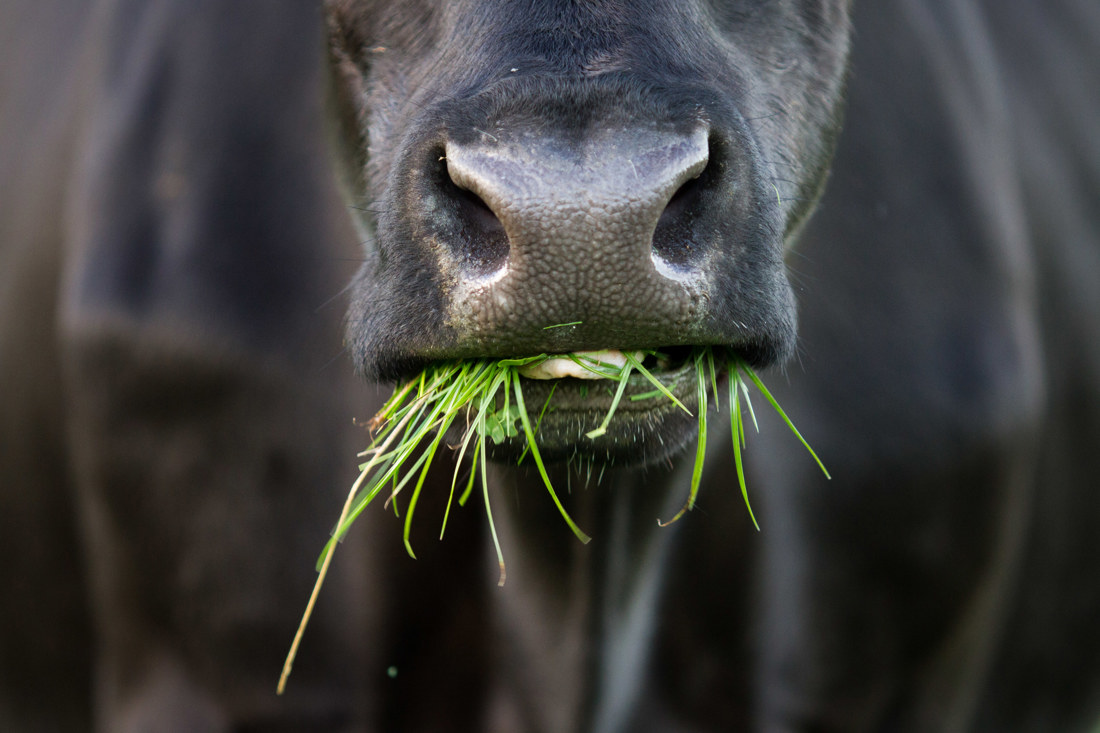 Protein
Proteins are essential for many metabolic functions in dairy cows, including growth, lactation, and reproduction. This page explains that the protein in feed, known as crude protein (CP), is calculated based on the feed's nitrogen content.
Animal•2 min read
Protein
Proteins are essential for many metabolic functions in dairy cows, including growth, lactation, and reproduction. This page explains that the protein in feed, known as crude protein (CP), is calculated based on the feed's nitrogen content.
Animal•2 min read
-
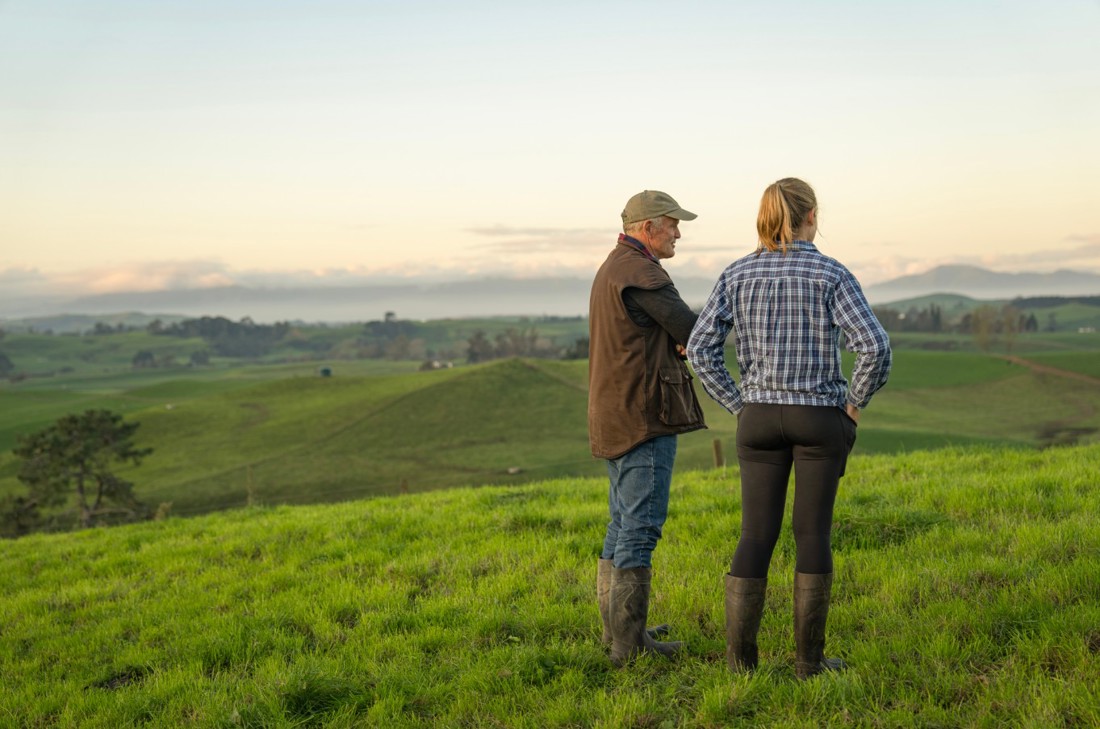 Autumn preparation
Late summer strategies in dairy farming involve continuous monitoring of feed demand and body condition score (BCS). This page discusses how managing pasture effectively, considering factors like over-grazing and dry periods, is crucial.
Feed•3 min read
Autumn preparation
Late summer strategies in dairy farming involve continuous monitoring of feed demand and body condition score (BCS). This page discusses how managing pasture effectively, considering factors like over-grazing and dry periods, is crucial.
Feed•3 min read
-
 Rotary MaxT
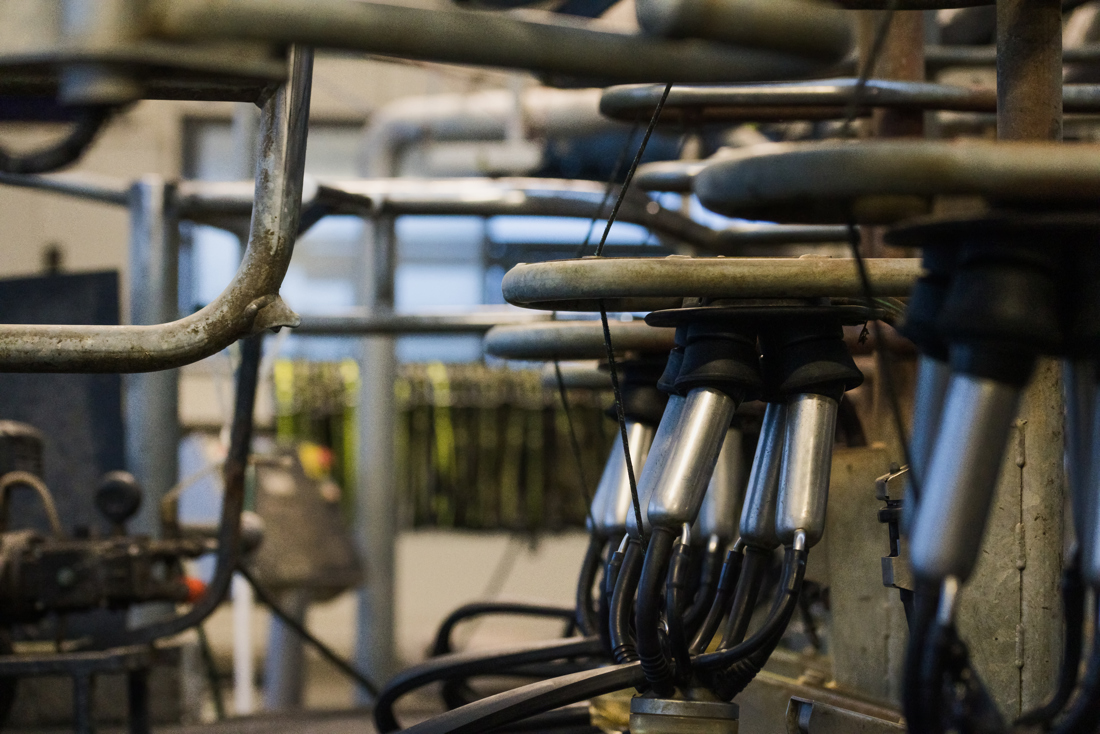
Understanding the maximum milking time (MaxT) is key to making your milking system as efficient as possible. MaxT is a strategy to milk cows for a predetermined time based on milk volume.
Milking•6 min read
Rotary MaxT
Understanding the maximum milking time (MaxT) is key to making your milking system as efficient as possible. MaxT is a strategy to milk cows for a predetermined time based on milk volume.
Milking•6 min read
-
 Forages for Reduced Nitrate Leaching, Campbell and Martine Tait (Canterbury)
The Taits focus on balancing sustainability with profit in their dairy farming practices. Based in Lowcliffe, Ashburton, the Tait Family Trust oversees an intergenerational dairy business that began milking in 2011.
Research•5 min read
Forages for Reduced Nitrate Leaching, Campbell and Martine Tait (Canterbury)
The Taits focus on balancing sustainability with profit in their dairy farming practices. Based in Lowcliffe, Ashburton, the Tait Family Trust oversees an intergenerational dairy business that began milking in 2011.
Research•5 min read


