
Total results 356
Total results 356
Search results for "Animal research"
-
Nicole Wheadon
Scientist
-
Wayne Hofmann
Research Data Analyst
-
Lydia Farrell
Scientist
-
Teresa Anderson
Project Manager
-

Matthew Price
Senior Quantitative Geneticist
-
Andrew Fear
NZ Animal Evaluation Manager
-
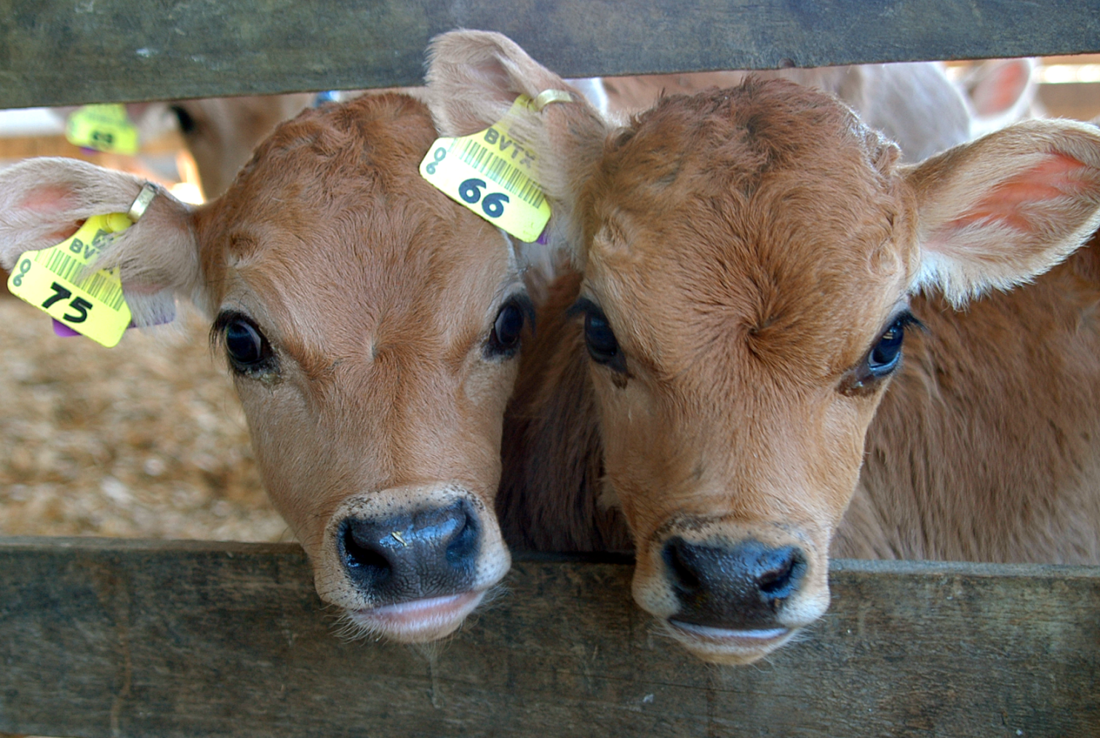 Disbudding
Disbudding is the process of removing a calf's horns between one to six weeks old. This prevents injuries to both the farm team and other animals.
Animal•4 min read
Disbudding
Disbudding is the process of removing a calf's horns between one to six weeks old. This prevents injuries to both the farm team and other animals.
Animal•4 min read
-
 Clusters
Clusters in dairy milking are a set of components that include a claw and four fully assembled cups. Selecting the right clusters and setting them up correctly will increase milking efficiency and improve animal health.
Milking•5 min read
Clusters
Clusters in dairy milking are a set of components that include a claw and four fully assembled cups. Selecting the right clusters and setting them up correctly will increase milking efficiency and improve animal health.
Milking•5 min read
-
 Dead stock disposal
Dead stock management is the process of dealing with farm animal fatalities. It is important to appropriately dispose of carcasses to avoid spreading diseases, contaminating water, and harming the dairy industry's public image.
Environment•2 min read
Dead stock disposal
Dead stock management is the process of dealing with farm animal fatalities. It is important to appropriately dispose of carcasses to avoid spreading diseases, contaminating water, and harming the dairy industry's public image.
Environment•2 min read
-
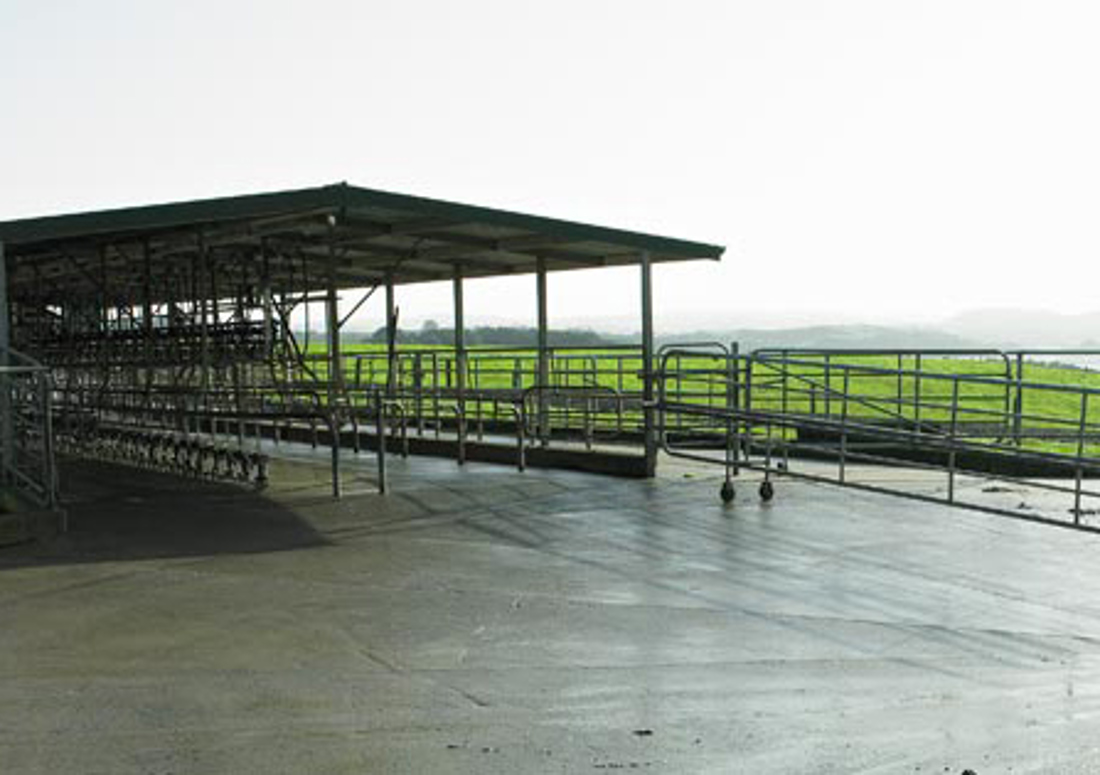 Handling facilities
Integrated cattle handling facilities, including head bales, crushes, and AI races, are essential for safe and efficient animal health tasks for both cows and handlers.
Milking•2 min read
Handling facilities
Integrated cattle handling facilities, including head bales, crushes, and AI races, are essential for safe and efficient animal health tasks for both cows and handlers.
Milking•2 min read
-
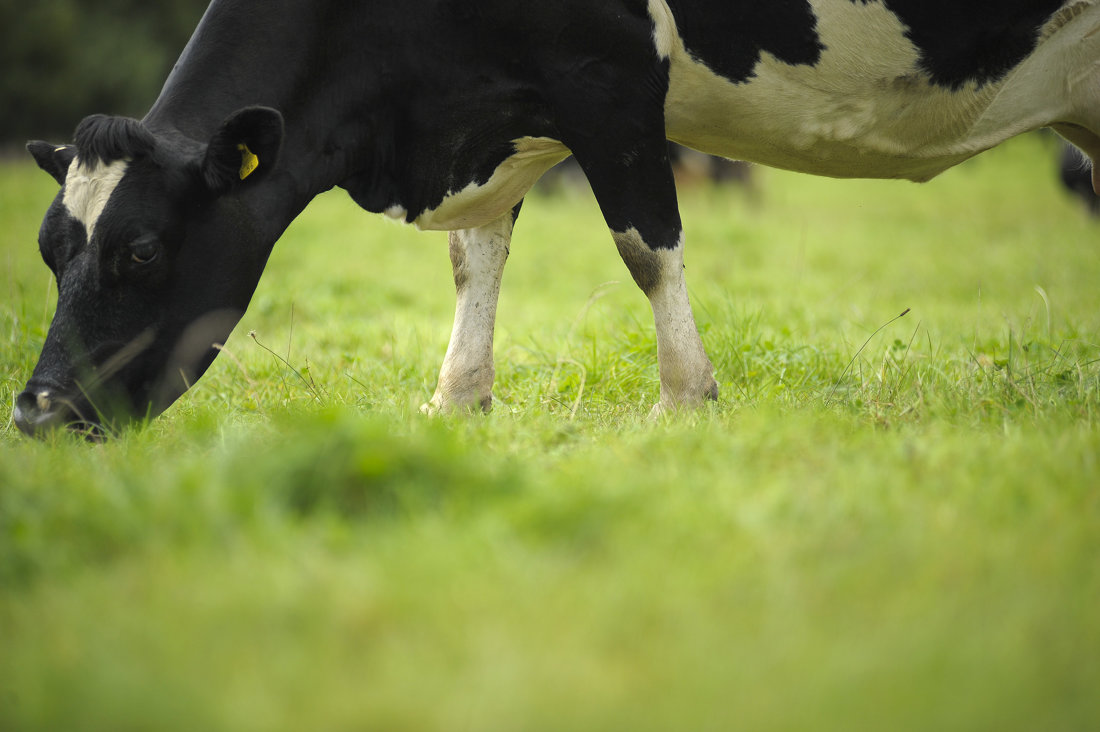 Fats
FatsLipids or fats, found in plant and animal products, are a key energy source in dairy cows' diet. They are typically low, between 2-6% of dry matter in pasture-based diets, as excess can harm rumen function and milk production.
Animal•3 min read
Fats
Lipids or fats, found in plant and animal products, are a key energy source in dairy cows' diet. They are typically low, between 2-6% of dry matter in pasture-based diets, as excess can harm rumen function and milk production.
Animal•3 min read
-
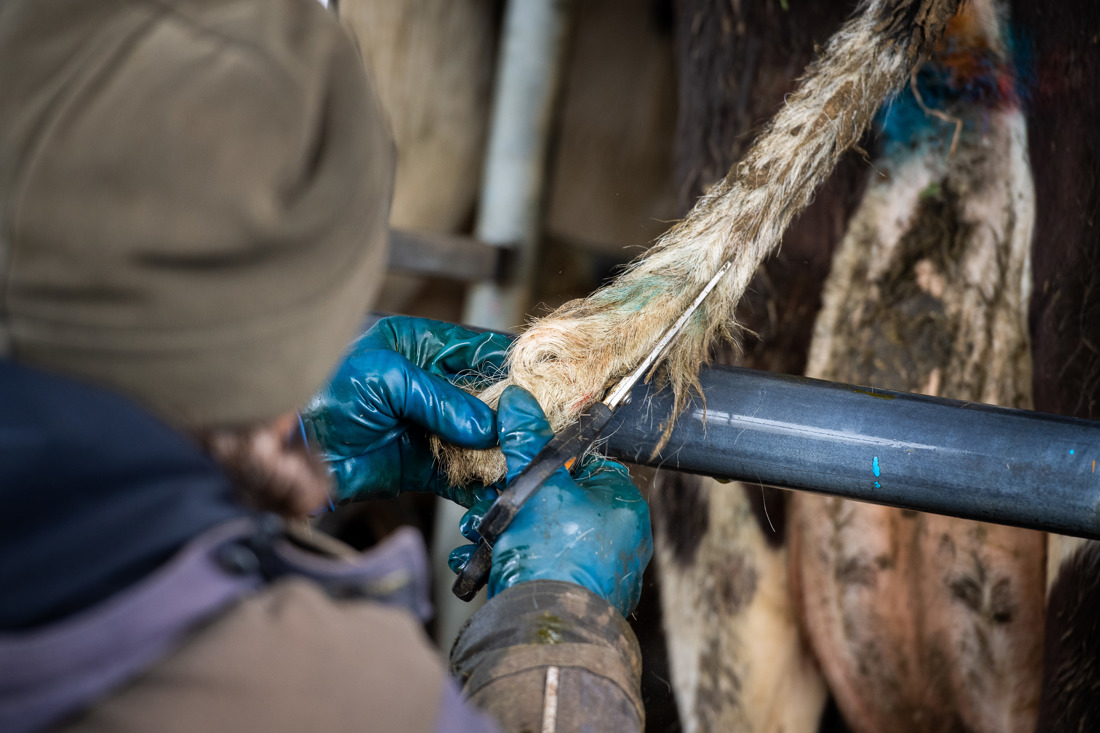 Tail Management
Tail management is crucial in dairy farming to ensure animal welfare and a positive working environment. Tail injuries can cause pain and impact how cows communicate.
Animal•6 min read
Tail Management
Tail management is crucial in dairy farming to ensure animal welfare and a positive working environment. Tail injuries can cause pain and impact how cows communicate.
Animal•6 min read
-
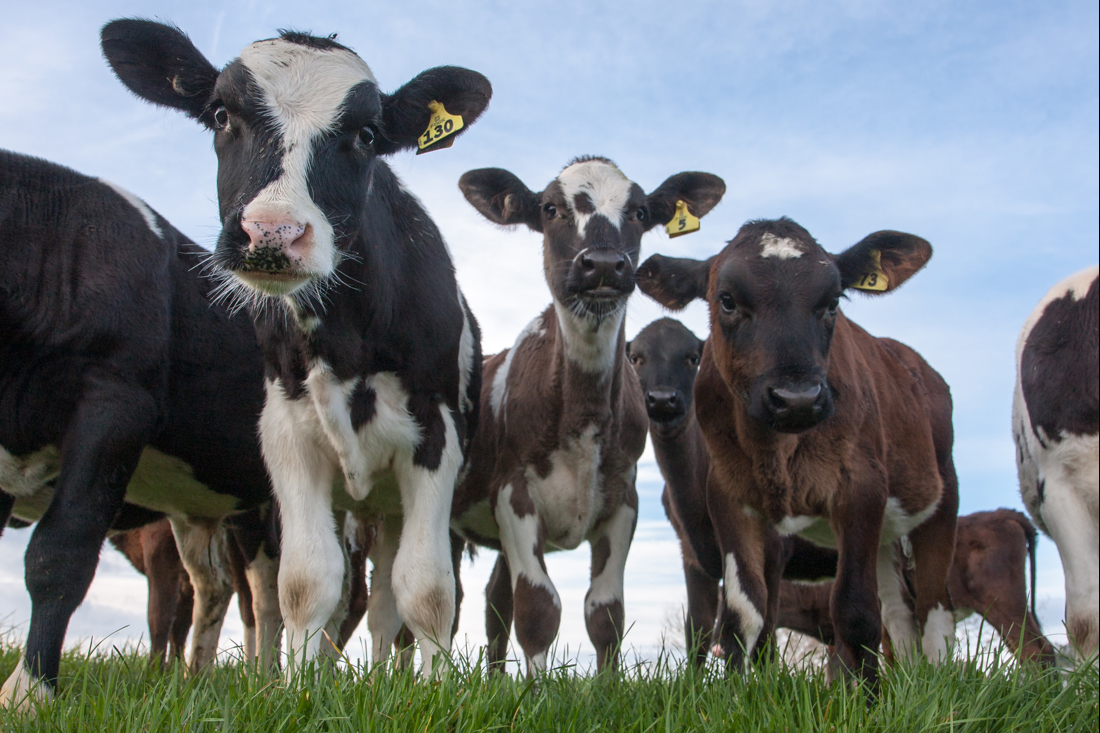 Coccidiosis
Coccidiosis is a disease mainly affecting young cattle, causing diarrhoea that can lead to dehydration or even death. The disease comes from parasites found in infected feed, water, or from self-grooming.
Animal•2 min read
Coccidiosis
Coccidiosis is a disease mainly affecting young cattle, causing diarrhoea that can lead to dehydration or even death. The disease comes from parasites found in infected feed, water, or from self-grooming.
Animal•2 min read
-
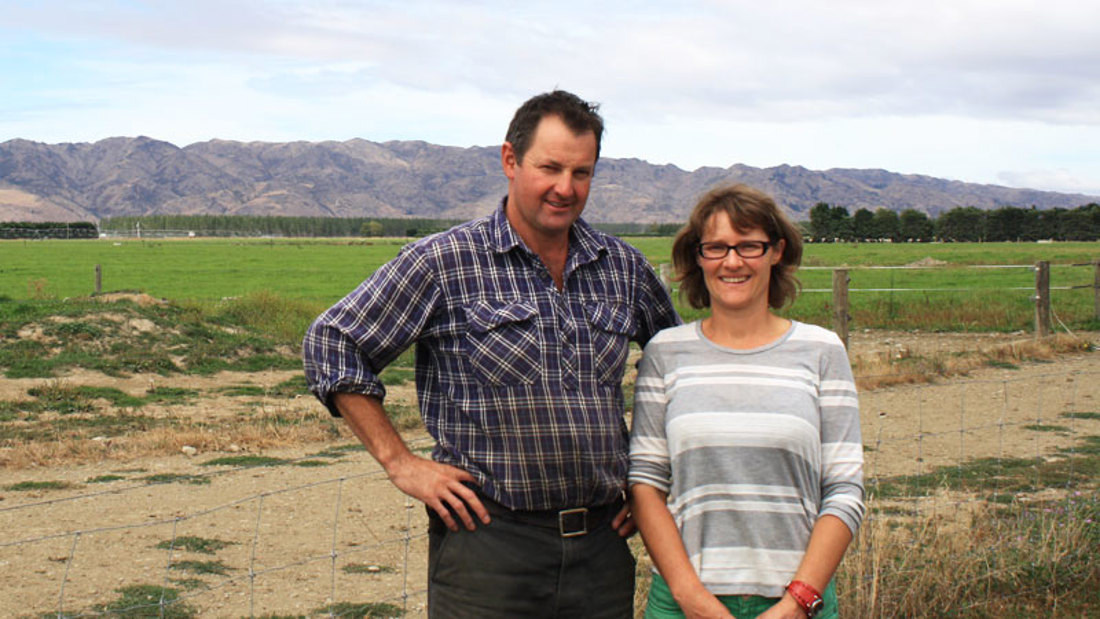 Forages for Reduced Nitrate Leaching, Peter and Joc Kinney (Culverden)
Peter and Joc Kinney are dairy farming near Culverden. The dairy farm has an effective milking platform area of 310 ha. At the start of the FRNL programme this was 95% irrigated, at a stocking rate of 3.8 cows/ha.
Research•4 min read
Forages for Reduced Nitrate Leaching, Peter and Joc Kinney (Culverden)
Peter and Joc Kinney are dairy farming near Culverden. The dairy farm has an effective milking platform area of 310 ha. At the start of the FRNL programme this was 95% irrigated, at a stocking rate of 3.8 cows/ha.
Research•4 min read
-
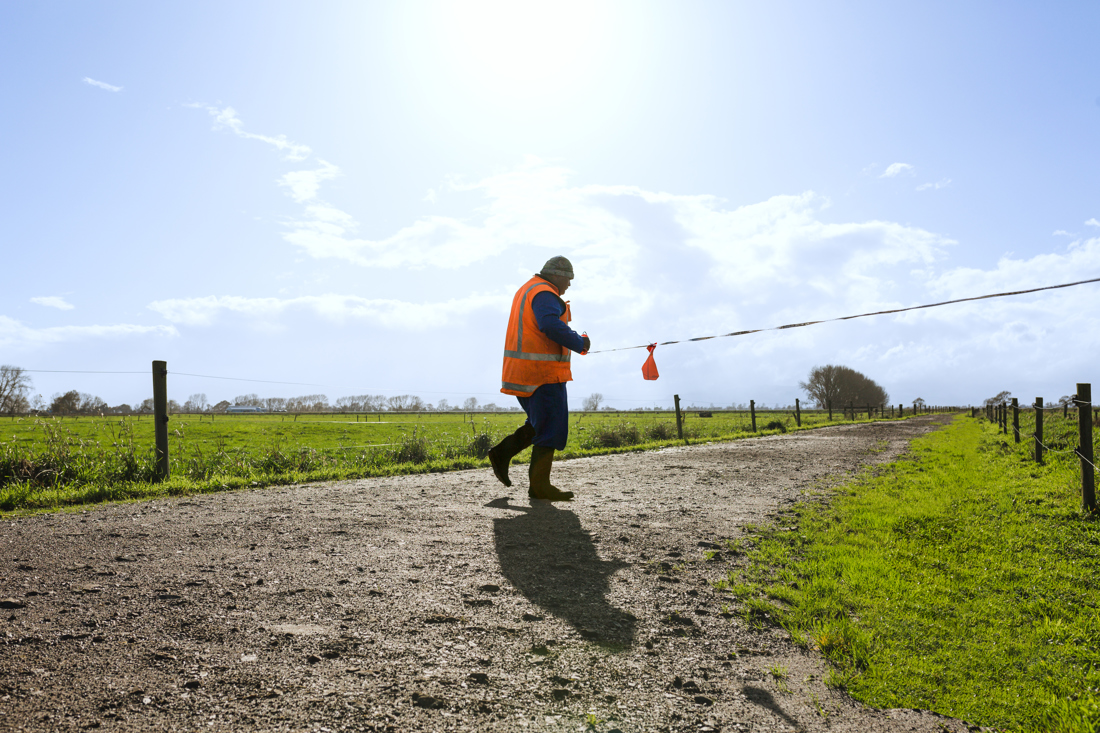 Evaluating biosecurity risks
Exotic animal diseases, pest plants, and insect pests are significant threats to New Zealand's dairy farming. The page details DairyNZ's proactive steps to identify these risks through the Dairy Biosecurity Risk Evaluation framework (D-BRiEF).
Biosecurity•2 min read
Evaluating biosecurity risks
Exotic animal diseases, pest plants, and insect pests are significant threats to New Zealand's dairy farming. The page details DairyNZ's proactive steps to identify these risks through the Dairy Biosecurity Risk Evaluation framework (D-BRiEF).
Biosecurity•2 min read
-
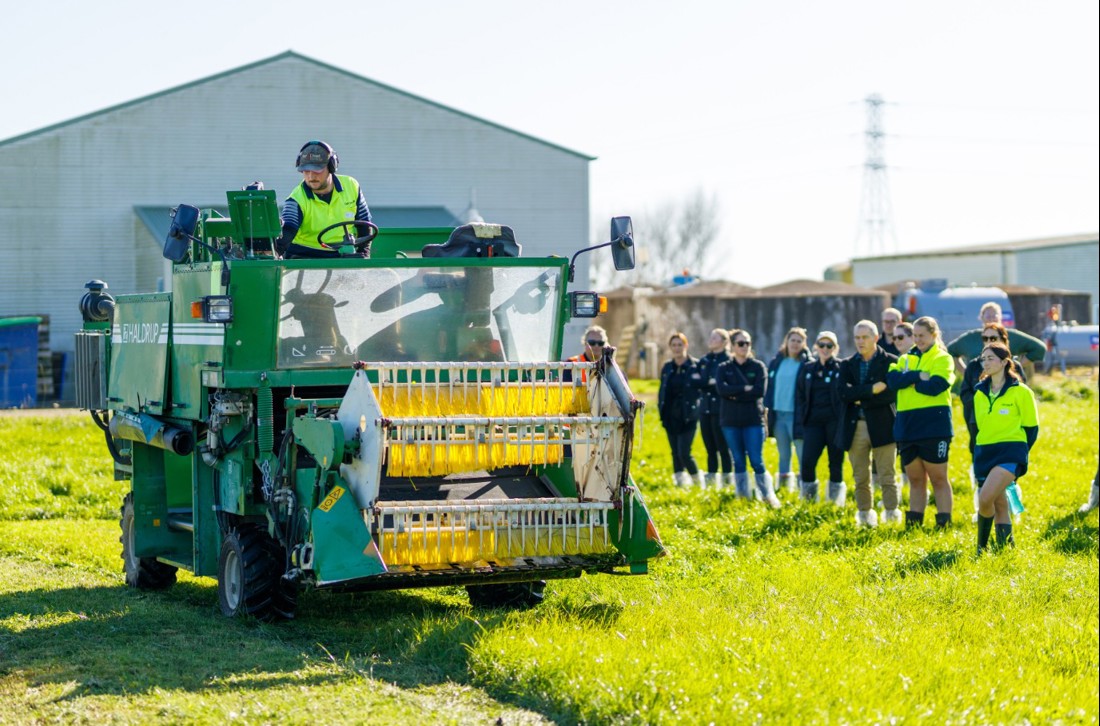 Lye Farm
Welcome to DairyNZ's Lye Farm. Home to world class udder health and intensive indoor nutrition research.
Research•1 min read
Lye Farm
Welcome to DairyNZ's Lye Farm. Home to world class udder health and intensive indoor nutrition research.
Research•1 min read
-
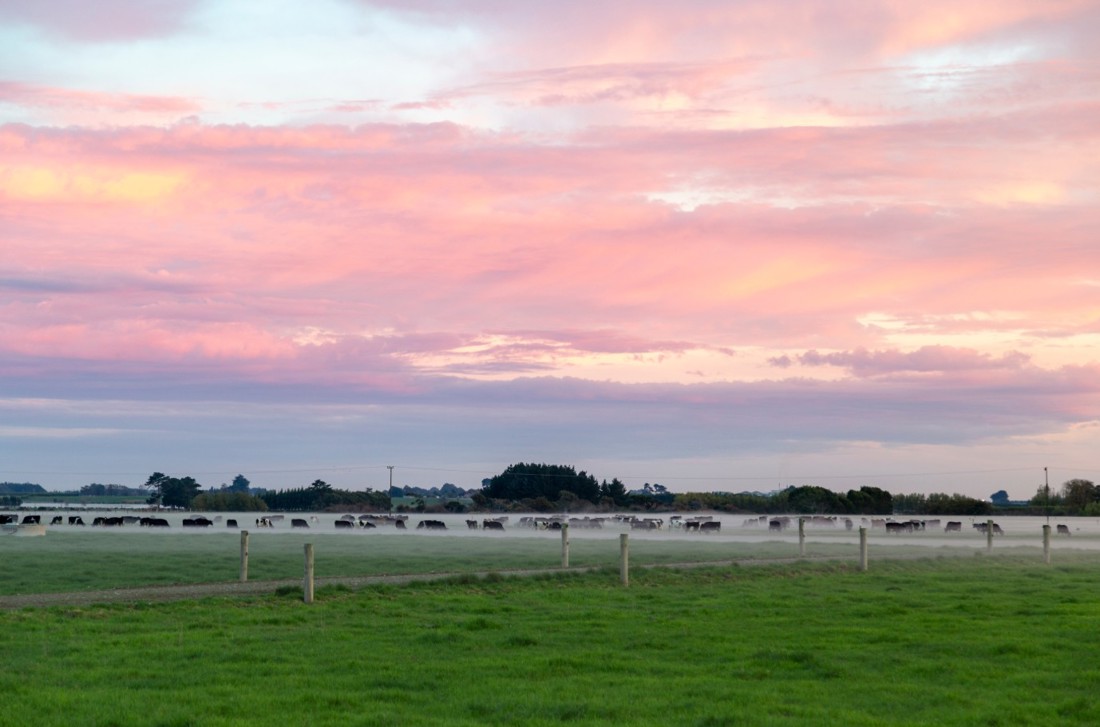 Southern Dairy Hub
The Southern Dairy Hub was established in response to Southland and Otago farmers wanting dairy challenges in the region to be addressed through local research and demonstration.
Research•5 min read
Southern Dairy Hub
The Southern Dairy Hub was established in response to Southland and Otago farmers wanting dairy challenges in the region to be addressed through local research and demonstration.
Research•5 min read
-
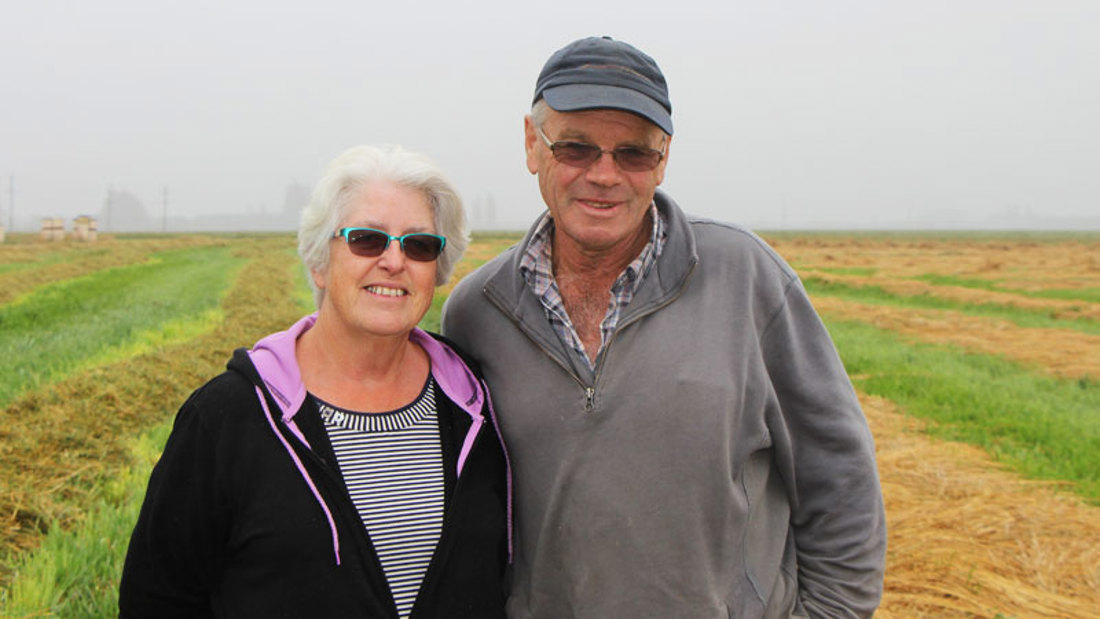 Forages for Reduced Nitrate Leaching, Eric and Maxine Watson (Canterbury)
Eric and Maxine are arable farmers from Wakanui. They were part of a network of farmers in Canterbury who contributed to the direction of the FRNL research, influenced priorities, shared experiences and provided a practical check to research.
Research•10 min read
Forages for Reduced Nitrate Leaching, Eric and Maxine Watson (Canterbury)
Eric and Maxine are arable farmers from Wakanui. They were part of a network of farmers in Canterbury who contributed to the direction of the FRNL research, influenced priorities, shared experiences and provided a practical check to research.
Research•10 min read
-
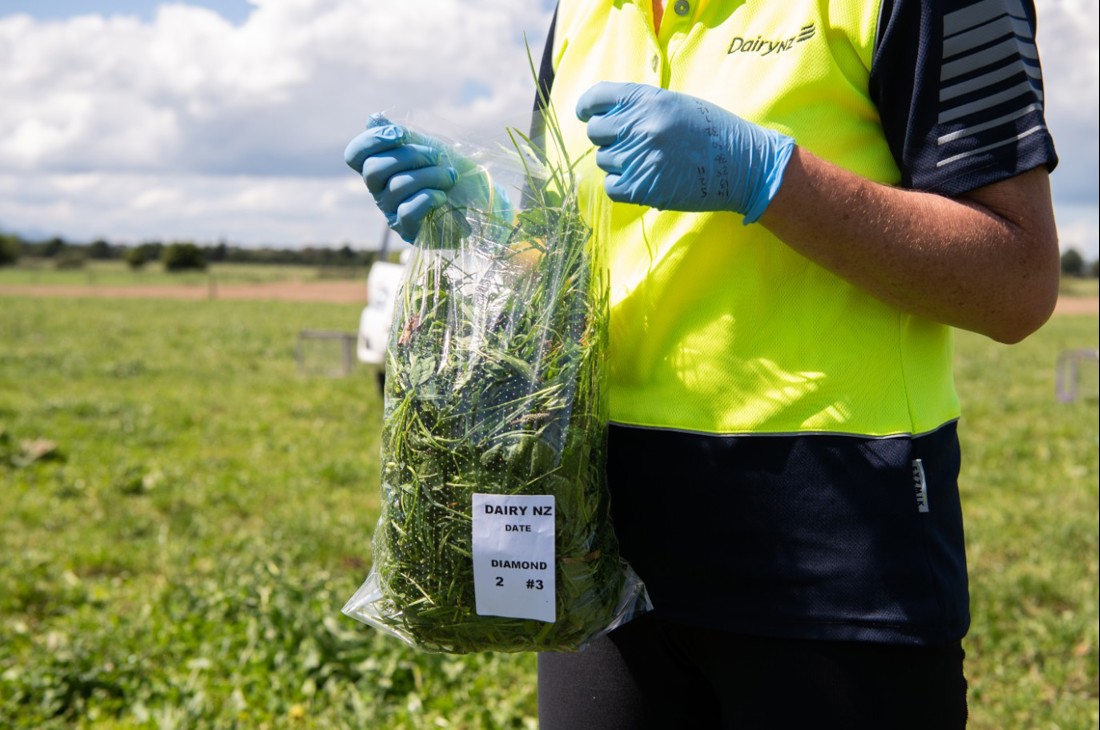 Scott Farm
Welcome to DairyNZ's Scott Farm, home to research on effective farming systems for dairy farmers, with particular relevance for pasture-based Waikato farming.
Research•4 min read
Scott Farm
Welcome to DairyNZ's Scott Farm, home to research on effective farming systems for dairy farmers, with particular relevance for pasture-based Waikato farming.
Research•4 min read
-
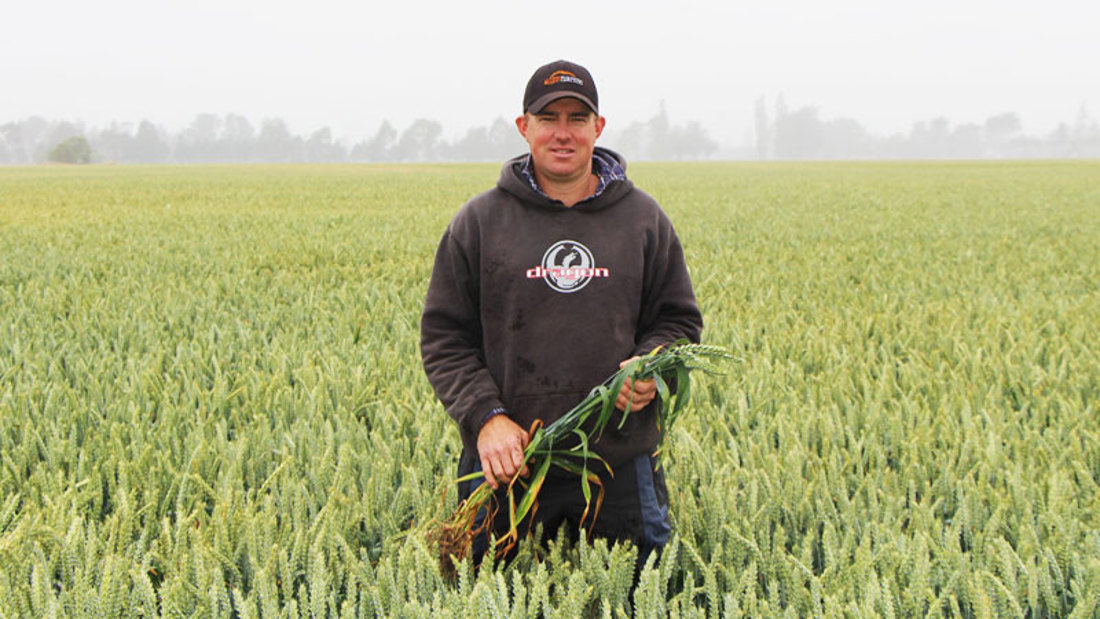 Forages for Reduced Nitrate Leaching, Brent and Maryn Austin (Canterbury)
Brent and Maryn are arable farmers from Mayfield. They were part of a network of farmers in Canterbury who contributed to the direction of FRNL’s research, influenced priorities, shared experiences and provided a practical check to research.
Research•11 min read
Forages for Reduced Nitrate Leaching, Brent and Maryn Austin (Canterbury)
Brent and Maryn are arable farmers from Mayfield. They were part of a network of farmers in Canterbury who contributed to the direction of FRNL’s research, influenced priorities, shared experiences and provided a practical check to research.
Research•11 min read


