Building biodiversity in Walton, Waikato
Topics
2 min read

Carl and Jodie Goudswaard are making more room for nature on their Waikato dairy farm by fencing, planting and retiring unproductive areas. Their approach focuses on improving farm efficiency while restoring habitat, with early results already showing in increased birdlife, easier grazing and a more resilient system.
Carl’s connection to nature started early, growing up around wildlife and native birds. That experience shaped a long-term goal to bring birdlife back onto the farm. Together, Carl and Jodie wanted to build a system where farming and biodiversity could work alongside each other, rather than compete.
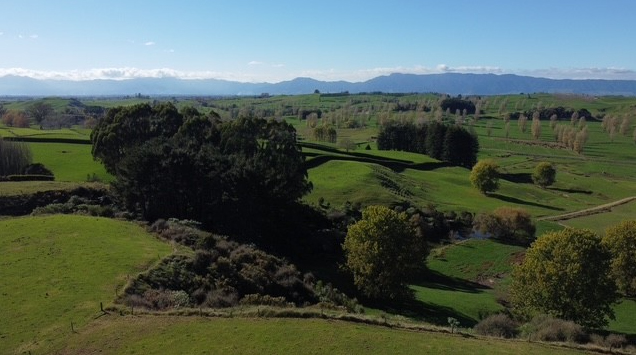
When Carl and Jodie took on their farm, it already had natural character, with hills, waterways and less productive gullies. Some areas were difficult to graze, particularly wet sections that limited stock movement and pasture utilisation. These areas presented both a challenge and an opportunity to rethink how the land was used.
Location:
Walton, Waikato
Farm type and system:
3
Herd size:
160 cows
Effective area:
56ha
Key landscape features:
Steeper fenced-off land, rolling country and lower flats.


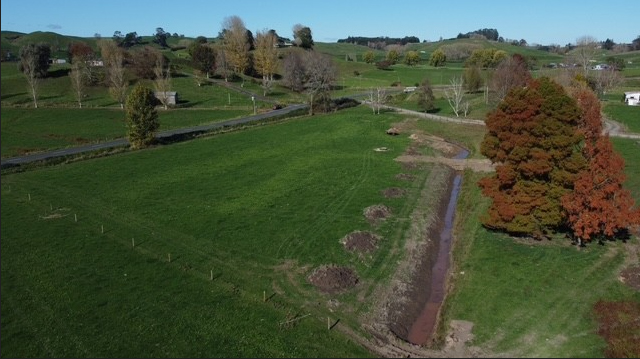
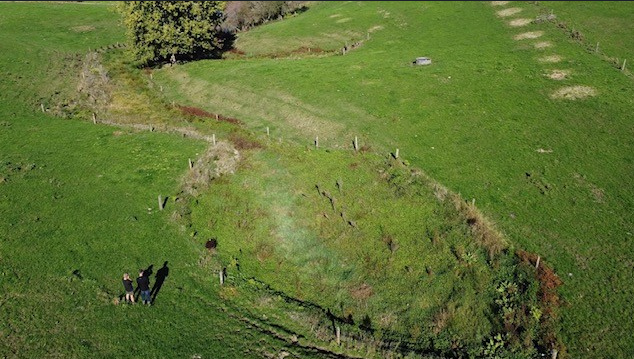
The Goudswaard’s began by identifying areas that were already hard to farm, particularly wet gullies and marginal land. These areas became the focus for fencing and planting.
“We’ve learnt a lot by working with catchment groups and experts,” says Jodie. “It’s helped us understand what to plant, where to plant it, and how the area will change over time. We didn’t try to do everything at once – we started small, learnt as we went, and kept building on it.
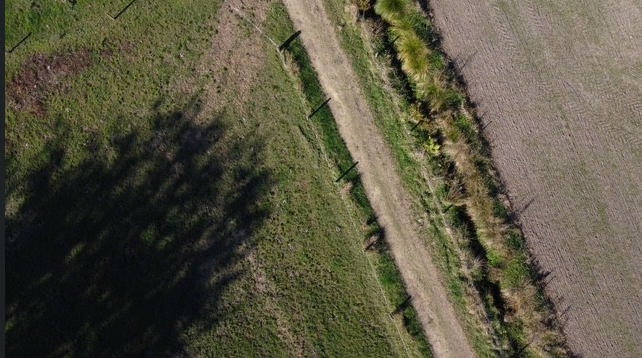
These are some of the actions they have completed:
They also used practical, cost-conscious approaches, including sourcing seedlings through schools and nurseries, and repotting native plugs themselves to expand planting at scale.
As their understanding has grown, the focus has shifted from just planting trees to creating planted areas that can sustain themselves.


The changes are already showing clear environmental gains across the farm. “We’re starting to see those less productive areas become something really positive,” says Carl. “They’re now planted up, creating more habitat, and we’re seeing more birdlife coming back. You start to notice native birds turning up more often, and that’s pretty rewarding. It shows that if you make space for nature, it does respond over time.”
“It’s helped the farming side too. Taking those wet, difficult areas out of grazing has made the paddocks easier to manage, improved stock flow, and let us focus on getting the best out of the productive land. It hasn’t hurt farm performance — if anything, it’s made day-to-day management simpler. There’s a lot of pride in seeing those areas change and knowing we’re building something that will be here long term.”

Wildlife seen on farm.
Carl and Jodie are continuing to expand their planting and are exploring ways to strengthen farm resilience, including renewable energy options. Their long-term focus is on building a self-sustaining system where biodiversity and farm performance support each other.
Now’s the perfect time to check in, plan, and set up for a strong season. We’ve pulled together smart tips and tools to help you stay ahead all winter long.
Whether you prefer to read, listen, or download handy guides, we’ve got you covered with trusted tools to support your journey every step of the way.
Put our proven strategies and seasonal tools to work. Boost production, support animal health and watch your profits hum.
Tools that are backed by science, shaped by farmers and made for this season.
That’s Summer Smarts.
Autumn Smarts brings together the research-backed tools that build resilience and boost performance.
The tools and insights you need to navigate the season with confidence. Backed by research and built for results – that’s Winter Smarts.