Creating a thriving wetland for wildlife in Waipahi
Topics
3 min read

Southland dairy farmer Gerard Vallely saw an opportunity to turn a wet, unproductive paddock into something more. What started as a final project before retirement, became a community-supported wetland, now home to birdlife, native species and a growing sense of pride for the next generation taking over the farm.
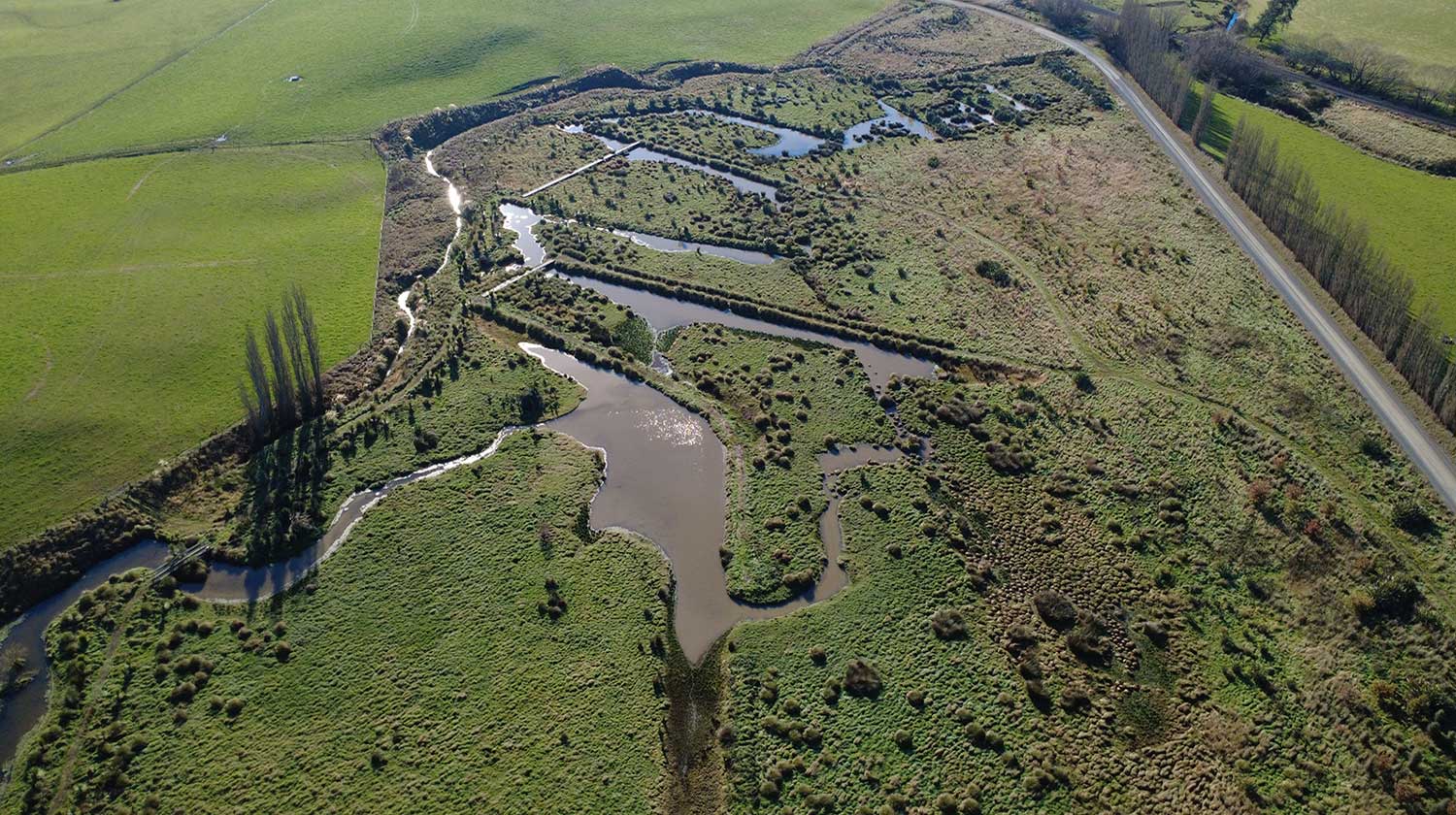
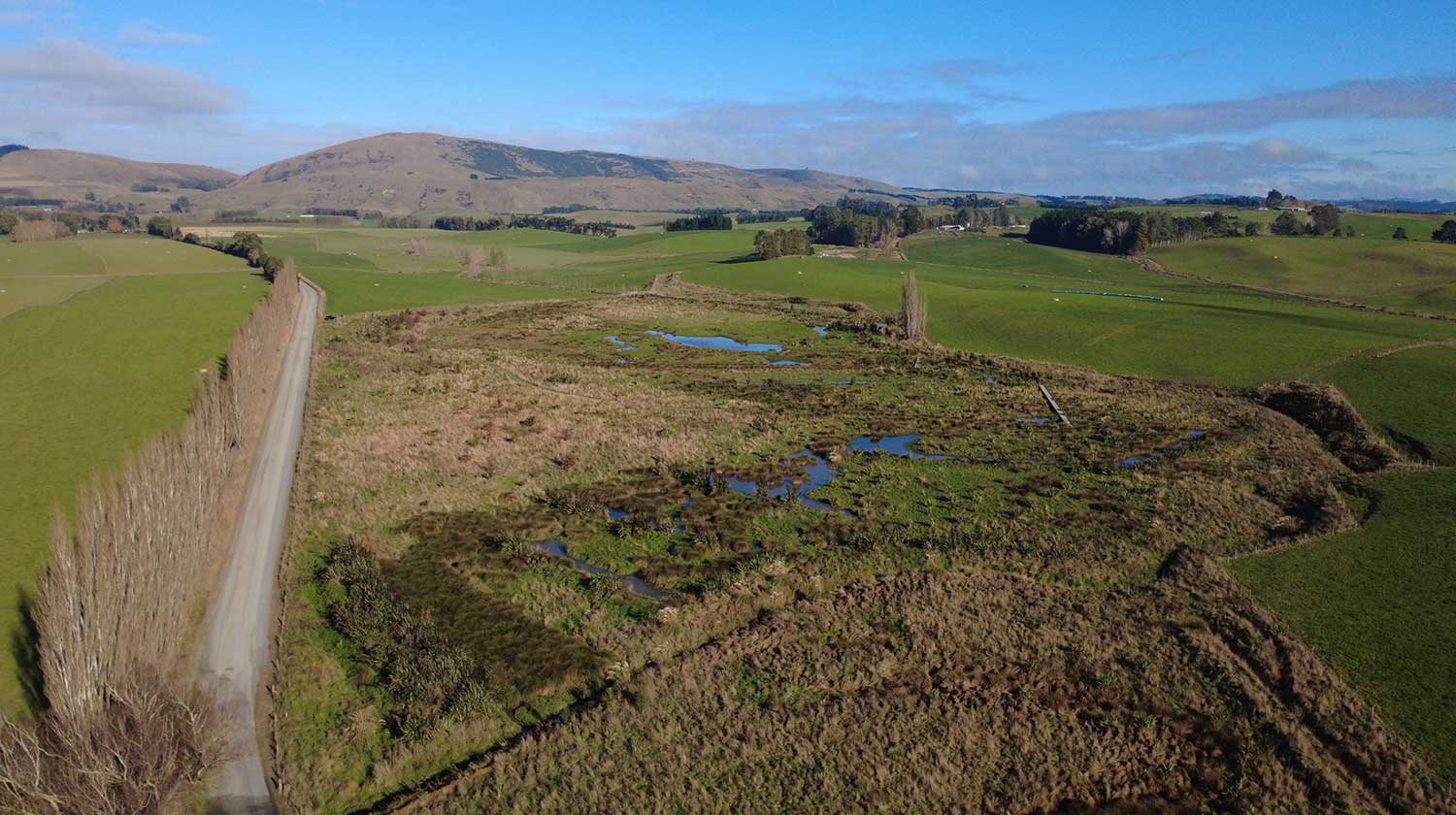
There are always underperforming paddocks on farm, and for the Vallely family in South Otago, that paddock was ‘Goose Flat’. A low-lying, poorly drained area that was difficult to farm and only ever carried a small amount of stock. Initially, Gerard planned to develop the paddock further. But through conversations with the local catchment group, another possibility emerged. Instead of working against the land's natural characteristics, why not work with them?
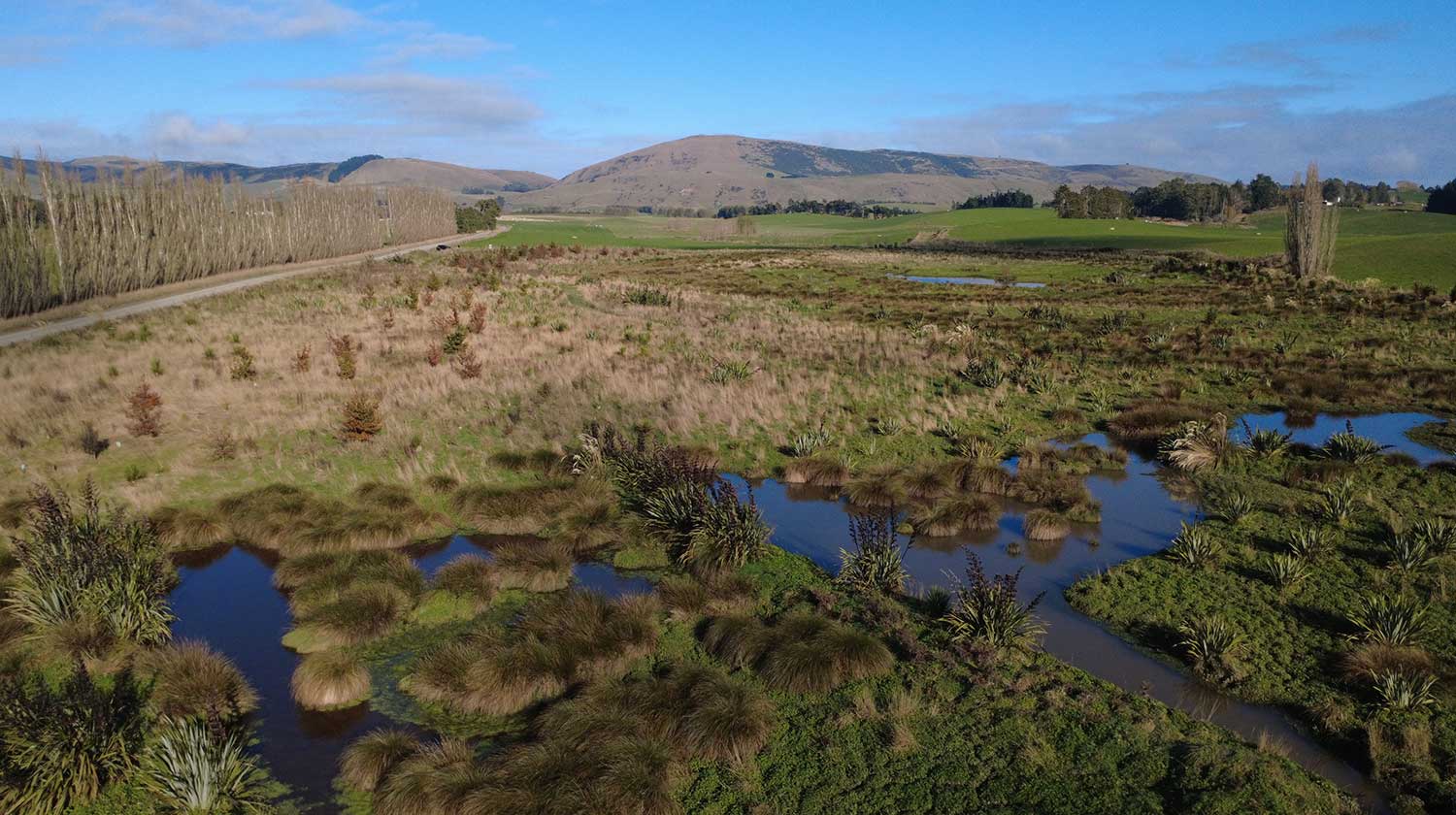
The idea grew into a wetland project that has transformed the area into a thriving habitat for native plants, fish and birdlife.
For Gerard, the project was a chance to leave a lasting legacy before retiring. For daughter Kate and her husband Scott, who are now taking over the farm, it represents their children.
It doesn’t put milksolids in the vat, but it’s special knowing you’re giving something back and leaving it better.
Location:
Waipahi, Southland
Farm type:
System 4 with in-shed feeding
Herd:
640 cows (wintered off)
Effective area:
219 ha
Key landscape features:
Wet, poorly drained low-lying paddocks. Drained land and waterways.


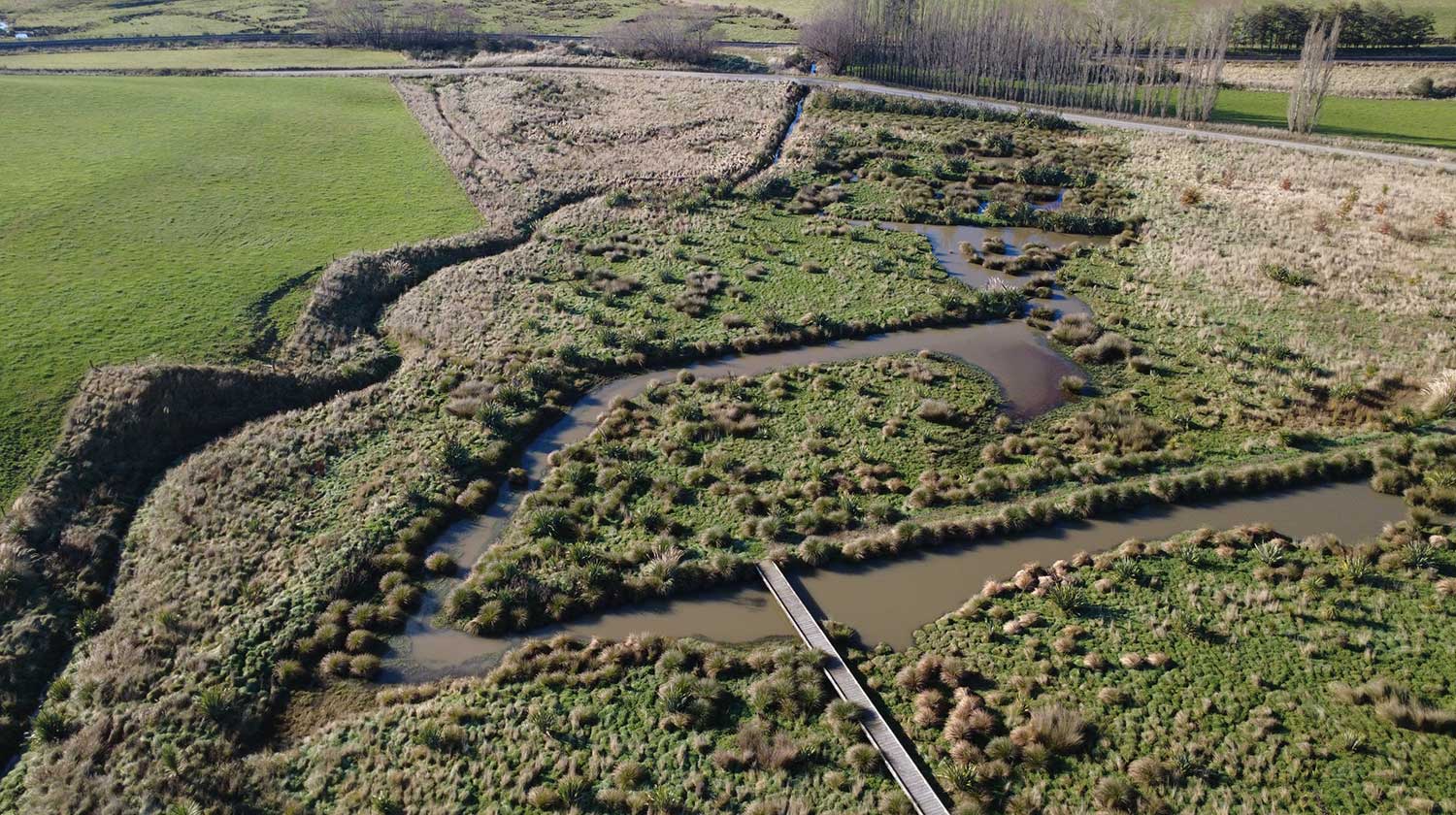
Getting started meant learning from others. Through the catchment group, the family connected with people who could help shape the idea, navigate council processes, and support their planning. With resource consent in place, the physical work began: a weir was constructed to raise water levels and earthworks reshaped the paddock to create a functioning wetland with varied water depths.
Early in the process, the project became something bigger than just the farm. Community groups, including the local Lions Club and school groups, got involved in planting and building infrastructure like bridges and boardwalks. Around $10,000 worth of native plants went into the ground, with hardy species proving most successful during volunteer planting days.
It hasn’t all been straightforward. Early planting losses showed the importance of using larger, more established plants. Water levels rose further than expected, expanding the wetland beyond its original footprint. Navigating council processes also took persistence, but support from the catchment group helped them find a way forward.
It takes longer than you think, but it’s good when it’s done.
Balancing the project alongside farm operations, succession, and a young family isn’t always easy. Ongoing maintenance, pest control, and planting take time each year. But by taking it step by step, it remains manageable and rewarding.


The results are already visible. Birdlife has increased, with fantails, waterfowl and other species now part of the landscape. The wetland is providing habitat for native fish, especially the endangered Pomahaka galaxiid and supporting a growing ecosystem. At the same time, the farm system has benefited from removing difficult paddocks from production and reducing pressure on marginal land.
For the family, the biggest impact has been the sense of pride and connection. “The project brings people together,” says Gerard, “from community volunteers to the next generation working on the farm. It’s something we can see, share and build on over time.”
The advice from the Vallely family is simple: start with what’s already hard to farm and take it one step at a time. Projects don’t need to be perfect or large to begin with, you just need a starting point.
Pick a wee area and just do it — you’ll feel proud and want to do more.
Looking ahead, the wetland will continue to evolve. More planting, ongoing care, and gradual expansion will shape its future. What began as an unproductive paddock has become a living part of the farm, one that reflects both the land itself and the values of the people who care for it.
Now’s the perfect time to check in, plan, and set up for a strong season. We’ve pulled together smart tips and tools to help you stay ahead all winter long.
Whether you prefer to read, listen, or download handy guides, we’ve got you covered with trusted tools to support your journey every step of the way.
Put our proven strategies and seasonal tools to work. Boost production, support animal health and watch your profits hum.
Tools that are backed by science, shaped by farmers and made for this season.
That’s Summer Smarts.
Autumn Smarts brings together the research-backed tools that build resilience and boost performance.
The tools and insights you need to navigate the season with confidence. Backed by research and built for results – that’s Winter Smarts.