Gully transformation in Southland
Topics
3 min read

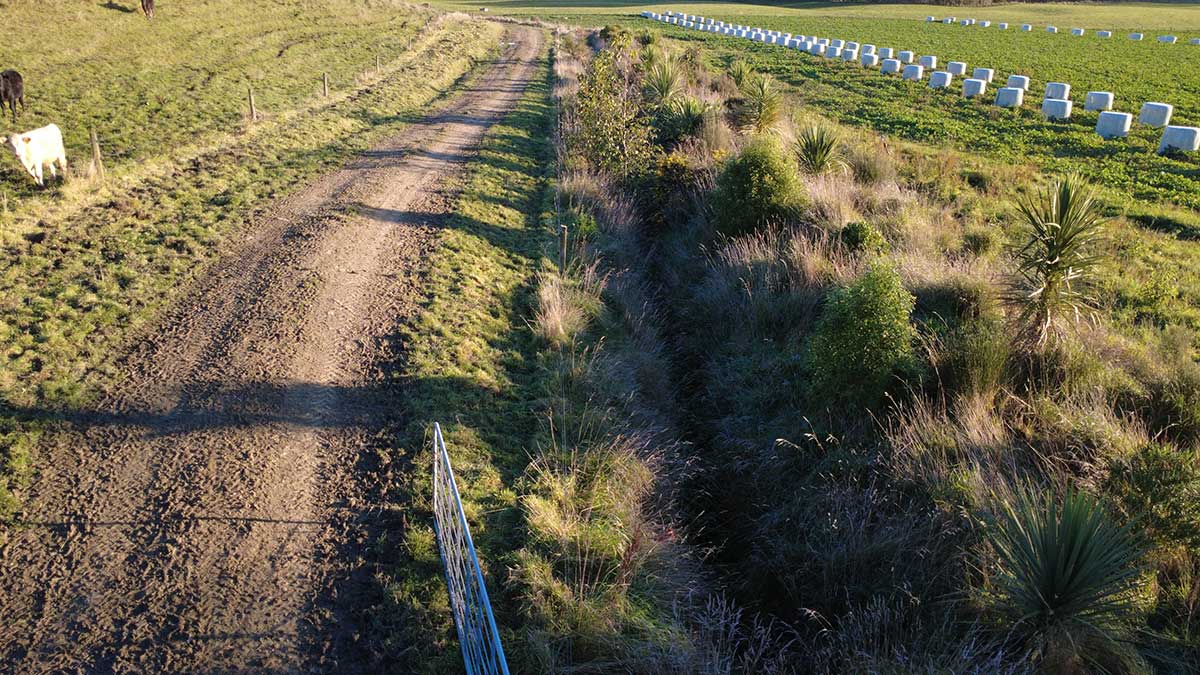
Mike Bodle has transformed challenging, gorse-infested gullies on his Southland dairy farm into productive forestry, native plantings and wildlife habitat. By working with the land’s limitations rather than against them, he’s simplified the farm system, reduced inputs and created a landscape that’s easier to run and richer in birdlife.
When Mike Bodle and his family first took over their Southland property, the goal was straightforward; to make every part of the farm productive – but some areas never quite delivered.
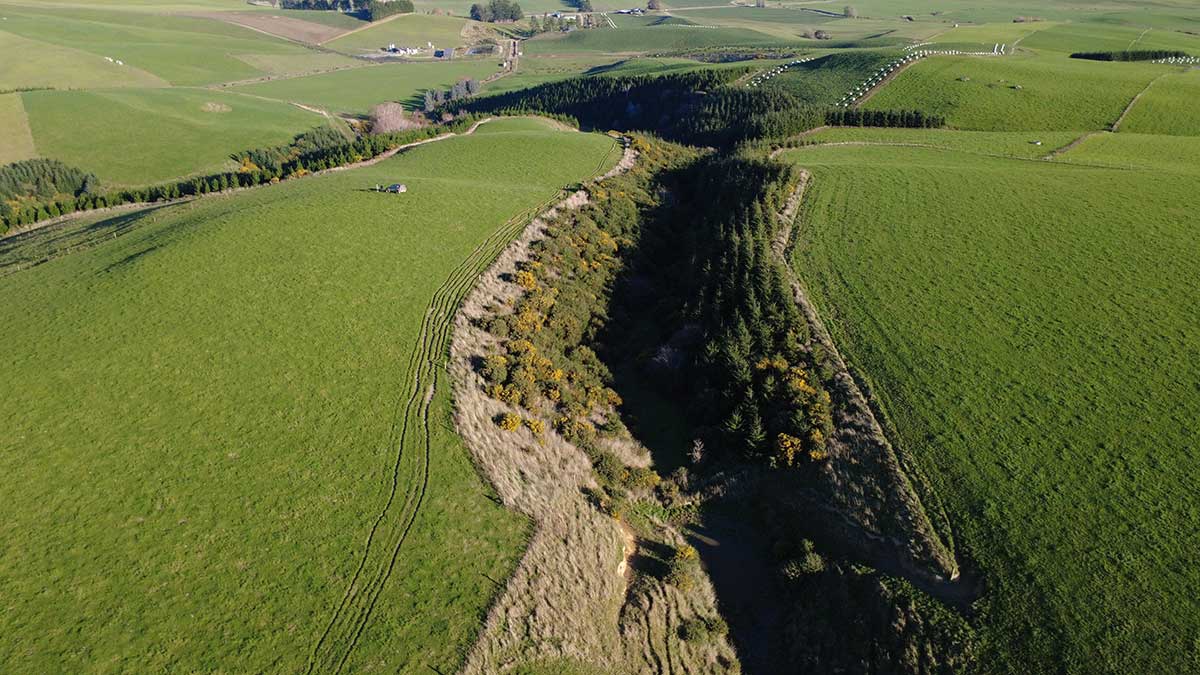
Steep gullies and gorse-infested areas required constant spraying and attention, yet still produced poor feed and carried real risk for machinery, stock and staff. Over time, it became clear these parts of the farm weren’t just underperforming, they weren’t suited to grazing at all. Instead of continuing to push against those limitations, Mike made a practical call: step back and rethink how the land was being used.
We were spending money fighting gorse for no return… I’d rather look at trees than that invasive stuff.
Location:
Otapiri, Southland
Farm type:
Self-contained dairy, System 3 (feed in shed)
Herd size:
700 cows
Effective area:
420 ha total (including 60 ha forestry)
Key landscape features:
Steep hill country, gullies, streams, drainage areas, plantation forestry, small wetlands/ponds


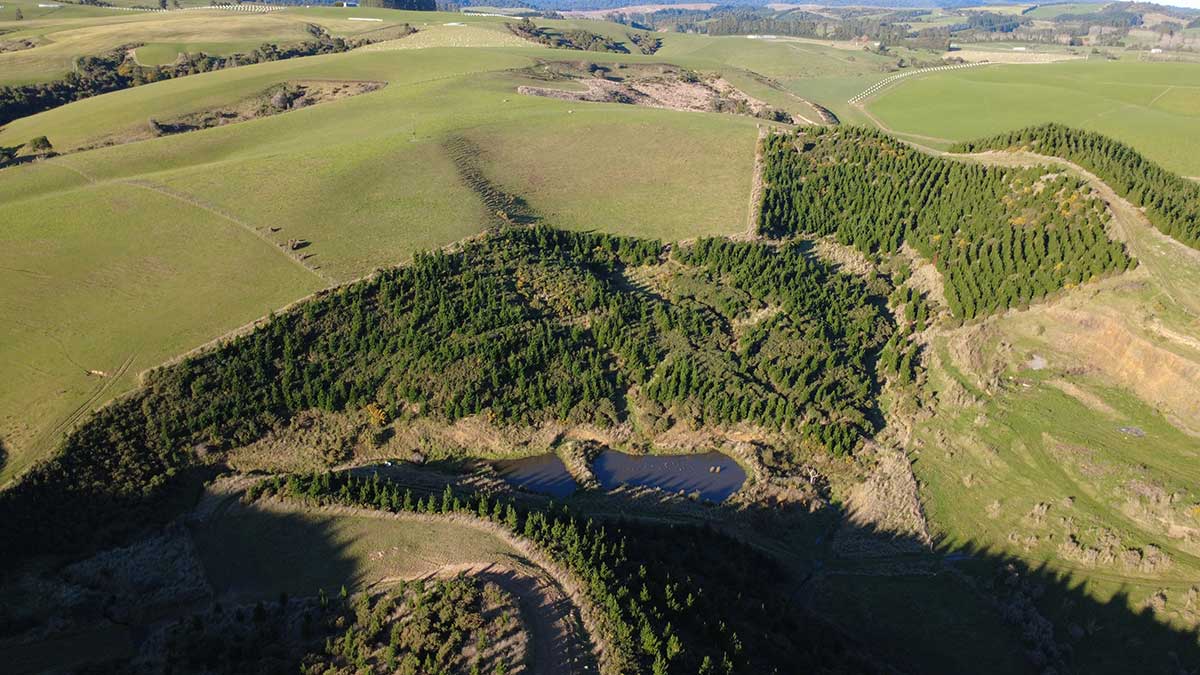
The first step was identifying the worst areas: steep gullies, risky slopes and land prone to slips. These were fenced off and taken out of grazing. Production forestry was planted to suppress gorse and remove the need for ongoing chemical control.
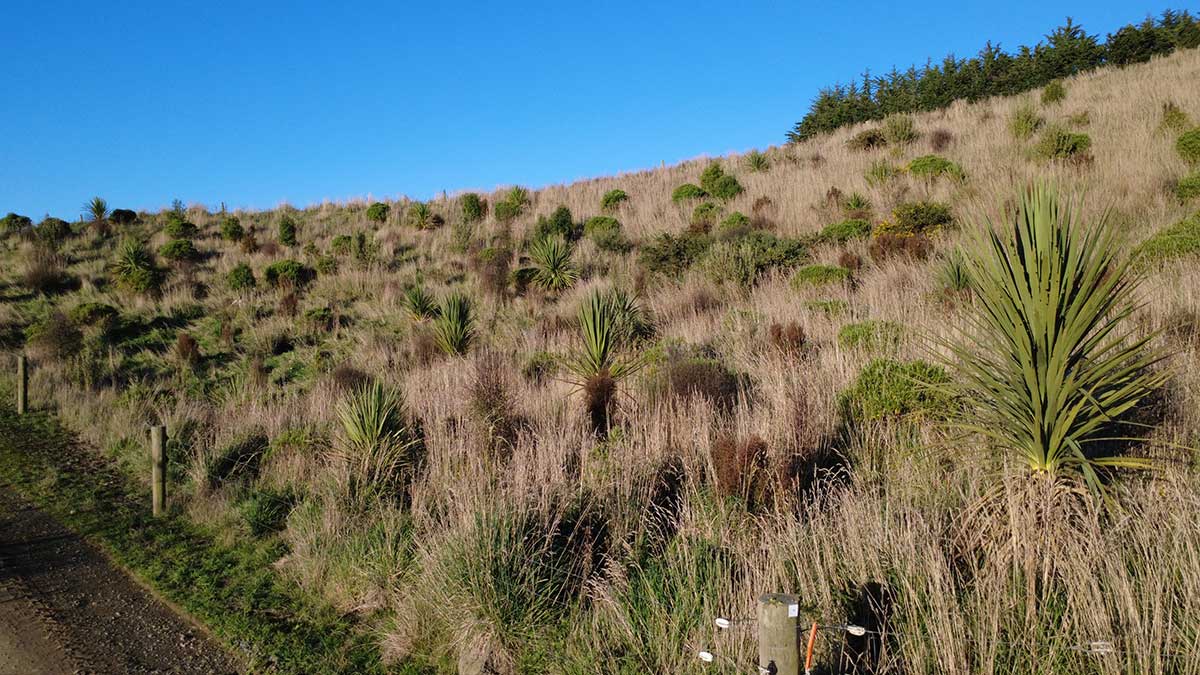
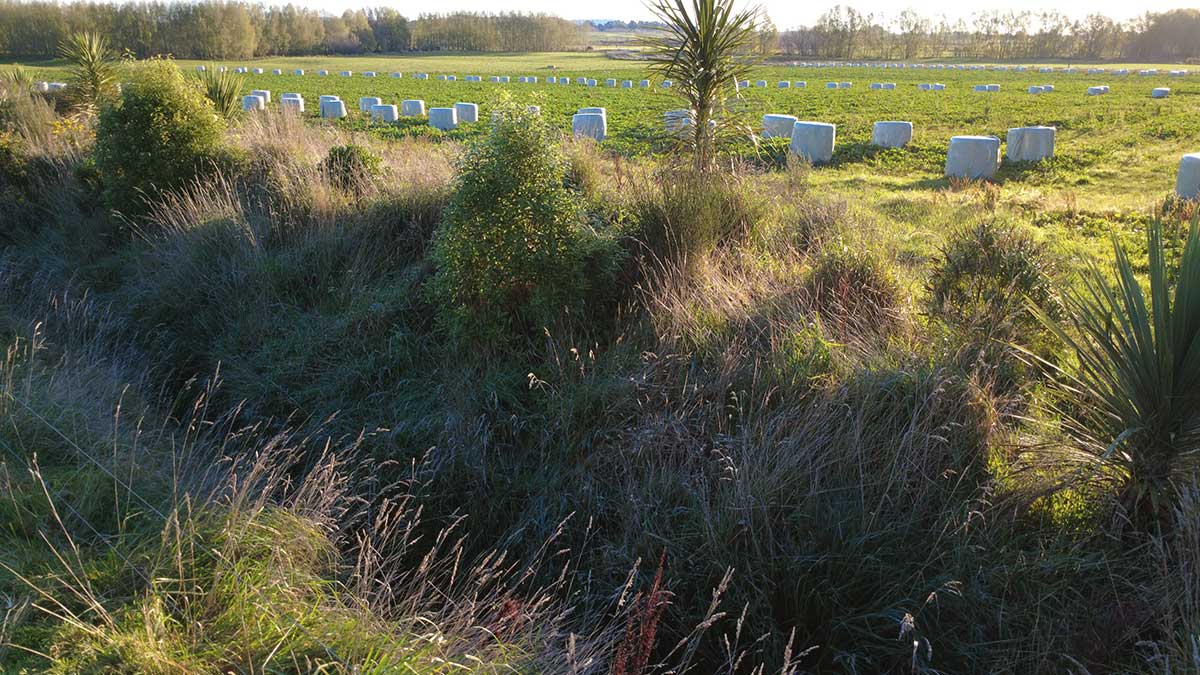
What started as a way to deal with problem areas gradually expanded. Smaller pockets of native planting were introduced in gullies, drains and wetter areas; places that were already difficult to farm.
Over time, this approach reshaped the farm. Around 60 hectares have gone into forestry, alongside smaller areas of native planting that add interest, habitat and diversity. New features have emerged too, including ponds created within planted areas that act as sediment traps while also supporting birdlife and aquatic species.
Early native plantings struggled to compete with aggressive grasses. Some species simply didn’t suit the conditions, and getting the balance right took trial and error. Managing regrowth of weeds like gorse and hawthorn, and finding time for maintenance alongside farm operations, have all been part of the journey.
Areas that once cost time, money and stress are now either productive or self-sustaining. The need for large-scale spraying has reduced, and the farm is simpler to manage without those difficult corners.
There have been unexpected gains too. Shelter from trees has improved stock comfort, particularly through harsh Southland weather. Cows now spread out and settle in sheltered areas instead of bunching at gateways.
Birdlife has noticeably increased, with tui and bellbirds now common around the farm. What were once quiet, underperforming gullies are now places filled with birdsong.
For Mike, there’s a strong sense of satisfaction in that transformation. Growing plants, whether production forestry or natives grown from seed, has become something he genuinely enjoys. It’s not just about fixing a problem; it’s about creating something that adds value over time.
Instead of trying to make every hectare perform the same way, there’s a greater focus on using each part of the farm for what it’s best suited to. If land is steep, wet or risky, it becomes an opportunity for planting rather than a problem to solve. A small planting in a problem area can quickly show results. From there, the momentum builds. Over time, those small steps have added up to a significant transformation across the farm.
Start small — once you see it working, you’ll naturally want to do more.
Mike's top tip


Looking ahead, the focus is no longer on large-scale change, but refinement. Most of the major problem areas have been addressed, but there are always smaller pockets to improve like planting along drains, managing regrowth, and adding more diversity to existing areas.
What started as a practical decision to deal with gorse and difficult terrain has become something much bigger. By stepping back and rethinking how the land is used, the Bodle family has created a farm that works better; for the system, for the animals, and for themselves. It’s a change that continues to evolve, one area at a time.
Now’s the perfect time to check in, plan, and set up for a strong season. We’ve pulled together smart tips and tools to help you stay ahead all winter long.
Whether you prefer to read, listen, or download handy guides, we’ve got you covered with trusted tools to support your journey every step of the way.
Put our proven strategies and seasonal tools to work. Boost production, support animal health and watch your profits hum.
Tools that are backed by science, shaped by farmers and made for this season.
That’s Summer Smarts.
Autumn Smarts brings together the research-backed tools that build resilience and boost performance.
The tools and insights you need to navigate the season with confidence. Backed by research and built for results – that’s Winter Smarts.