Restoring land and community in Hurunui
Topics
4 min read

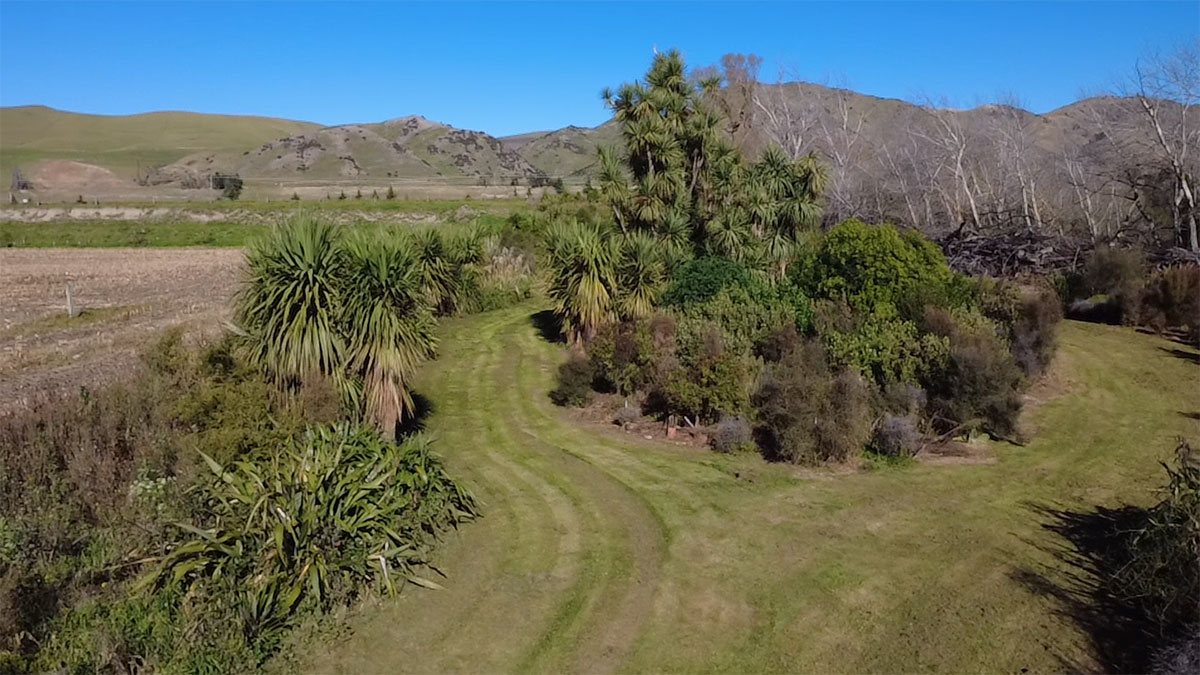
On a stretch of riverbank in North Canterbury, John Faulkner is quietly reshaping what farming can look and feel like; not just for the land but for the people connected to it. What began as a practical decision on a recently purchased support block has grown into something much bigger; a place where native biodiversity is returning, cultural connections are being rebuilt, and conversations between communities are starting to shift.
When John first took on the block in 2016, the riverbank wasn’t something he saw as special. It was grazed, weedy, and difficult to manage; like many parts of working farms across the country. Through his involvement in the Hurunui Zone Committee, John had started to hear different perspectives — from iwi, environmental groups, and local community members — about what the landscape once was, and what it could be again. Restoring the riverbank has never been just about plants or compliance. It’s about honouring relationships; with the land, with people, and with the history of the place. That shift in perspective became the starting point.
Find the thing that rocks your own boat — and then get the information and put something together.
The broader farm was running a winter kale and outdoor grazing system that left the land looking bare and beaten by September each year. The Hurunui braided river reaches the farm borders, which had been degraded over decades: willows had colonised the banks, endangered bird populations had declined, and a loss of cultural connection to the area for Ngāi Tahu. The composting barn John had been planning for years was not yet built, meaning cows were still spending winter on the land in conditions John found increasingly difficult.
Location:
Hurunui District, Canterbury
Herd size:
600 cows
Effective area:
35ha effective on support block (47 ha total); dairy platform is separate.
Key landscape features:
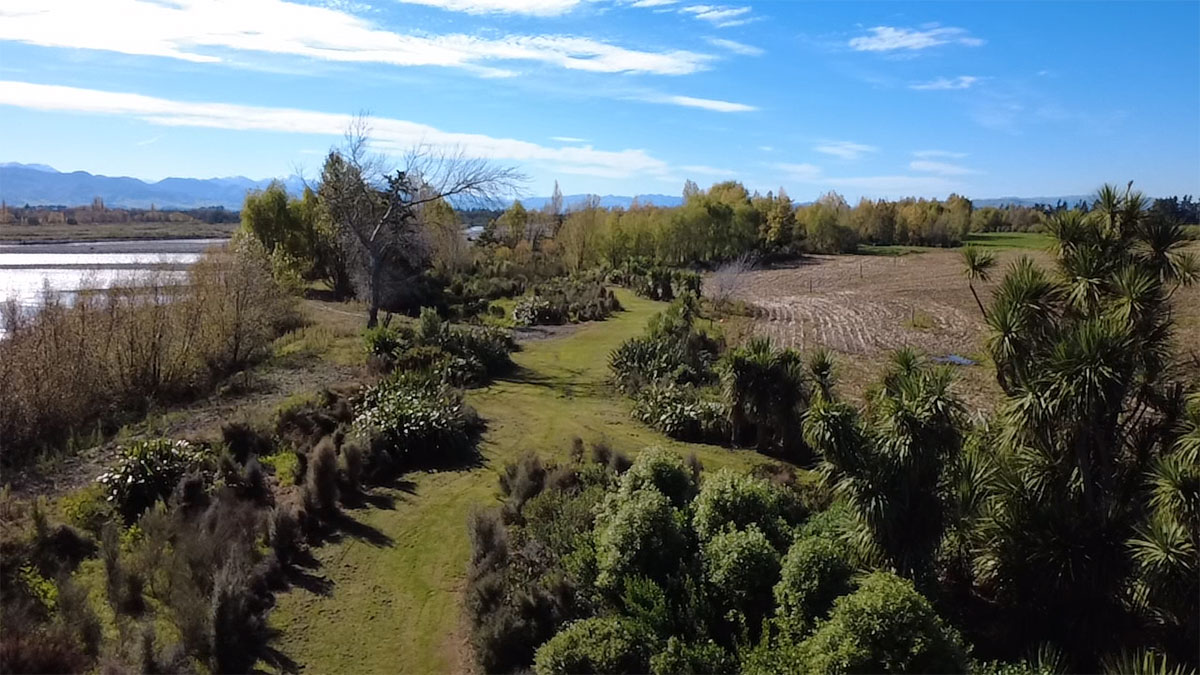
Hurunui River braided reach (Twin Bridges to the weir), flood protection fingers, 900 m–1.2 km restoration corridor, neighbouring wetland, old Māori trail.


John began planting on the site independently in 2016–17, drawing on a contact from the zone committee, a wetland ecologist, who helped with initial planning. The project took a significant step forward when the Shane Jones One Billion Trees Fund opened. John applied both personally and through the Hurunui District Landcare Group (of which he'd been invited to join the governance board). The Landcare Group secured approximately $900,000 for a 65-hectare programme across multiple properties; John's project received $50,000 in direct funding plus an ongoing contribution of around $25,000. With that funding secured, he engaged a native plant specialist to conduct a full site assessment and design the planting plan.
The weed burden in the early years was far heavier than John anticipated. He spent two to three hours weeding virtually every day for several seasons to keep newly planted natives alive against old man's beard, blackberry, and broom.
He estimates he invested considerably more of his own money and time than the contracted budget, an investment he keeps quiet about.
The slow uptake of community interest in the site was also harder than expected. John envisaged schools and community groups coming quickly; in practice it has been a slow burn, requiring patience and continued outreach.
His relationship with Ngāi Tahu developed over multiple meetings, mostly over the stable table, before trust developed enough for representatives to walk the site together.

John is explaining how he uses buckets to protect plants during weed control.
The impact is also showing up in less tangible, but equally important ways. Bringing students onto the farm has helped shift perceptions, giving people with little connection to agriculture a firsthand understanding of what modern farming can look like. For some, it has also created a pathway back to cultural knowledge and identity. Relationships with Ngāi Tahu are deepening, with meaningful conversations uncovering the history of the land and opening up possibilities for future use that reflect its cultural significance.

To complement and support the pre-existing natives, John has infill planted to create a more complete ecosystem.
At the same time, changes in the farm system are reinforcing that progress. Moving away from winter grazing on the support block and investing in infrastructure like the composting barn is easing pressure on the land and improving how the farm operates day-to-day. These decisions reflect a deliberate approach prioritising long-term sustainability, manageable systems, and a working environment that supports both the land and the people on it.
It's a success when we bring people closer together. That, for me, is what this is about.
John doesn’t present his approach as a blueprint. Instead, he encourages others to start with what matters to them. Above all, it’s about backing yourself to try something that feels meaningful.
Find the thing that rocks your own boat — and then get the information and put something together.
John’s long-term vision goes beyond planting. He sees the site becoming a place where people can reconnect with the land and with each other. That could include walking access, cultural interpretation, and links to a wider network of landscapes with shared history. The goal is simple: To create a place where someone can arrive — whether they’re a farmer, a student, or a visitor from the city — and feel a stronger connection to the land and the story it holds.

The Hurunui River, one of John's original inspirations for the project as a wāhi tapu for Ngāi Tahu.
Now’s the perfect time to check in, plan, and set up for a strong season. We’ve pulled together smart tips and tools to help you stay ahead all winter long.
Whether you prefer to read, listen, or download handy guides, we’ve got you covered with trusted tools to support your journey every step of the way.
Put our proven strategies and seasonal tools to work. Boost production, support animal health and watch your profits hum.
Tools that are backed by science, shaped by farmers and made for this season.
That’s Summer Smarts.
Autumn Smarts brings together the research-backed tools that build resilience and boost performance.
The tools and insights you need to navigate the season with confidence. Backed by research and built for results – that’s Winter Smarts.