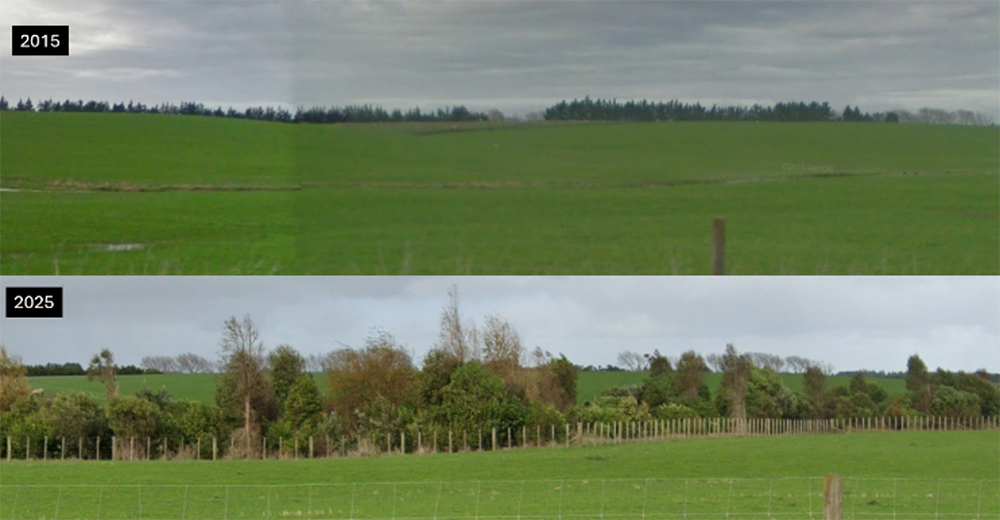
Riparian planting on lowland Manawatū
Topics
3 min read

Logan Hastings has taken a practical, long-term approach to riparian planting to care for waterways on their Manawatū dairy farm. By focusing on good preparation, simple planting methods, and consistent follow-up maintenance, they’ve built a planting approach that improves water quality, supports biodiversity, and makes good use of less productive land.
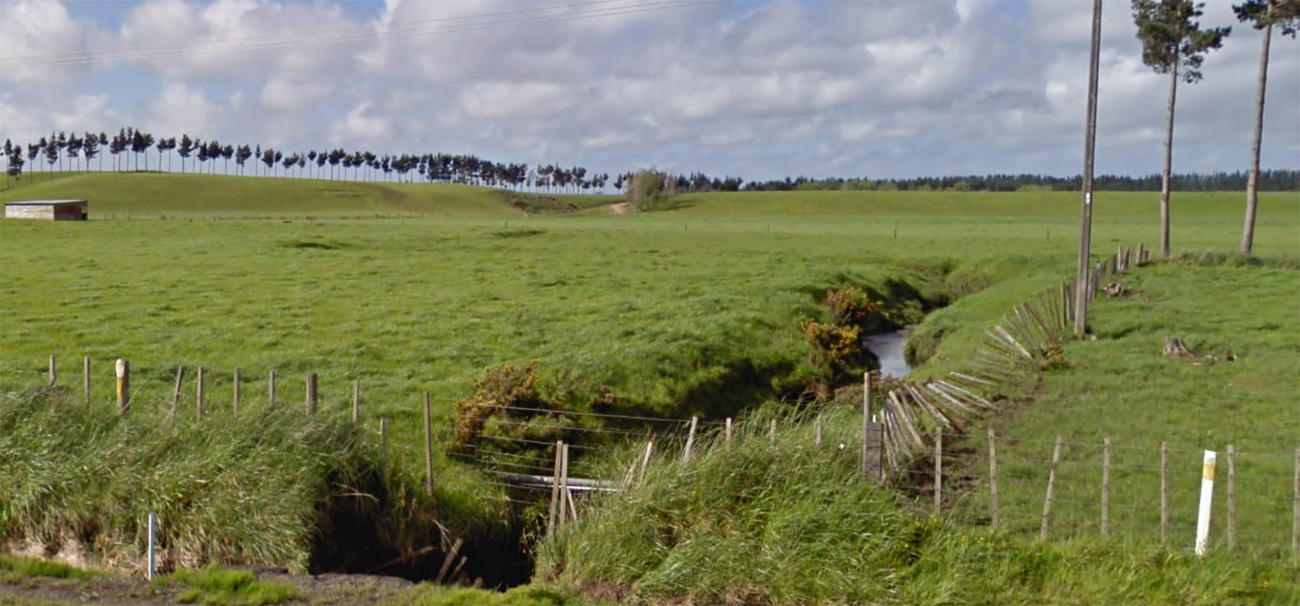
The Hastings farm includes long stretches of lowland stream that were vulnerable to pugging, bank erosion, and nutrient loss during wet periods. Some riparian margins were difficult to farm productively, especially on heavy soils and in winter. Historic flooding also highlighted the need to better protect the waterway edge.
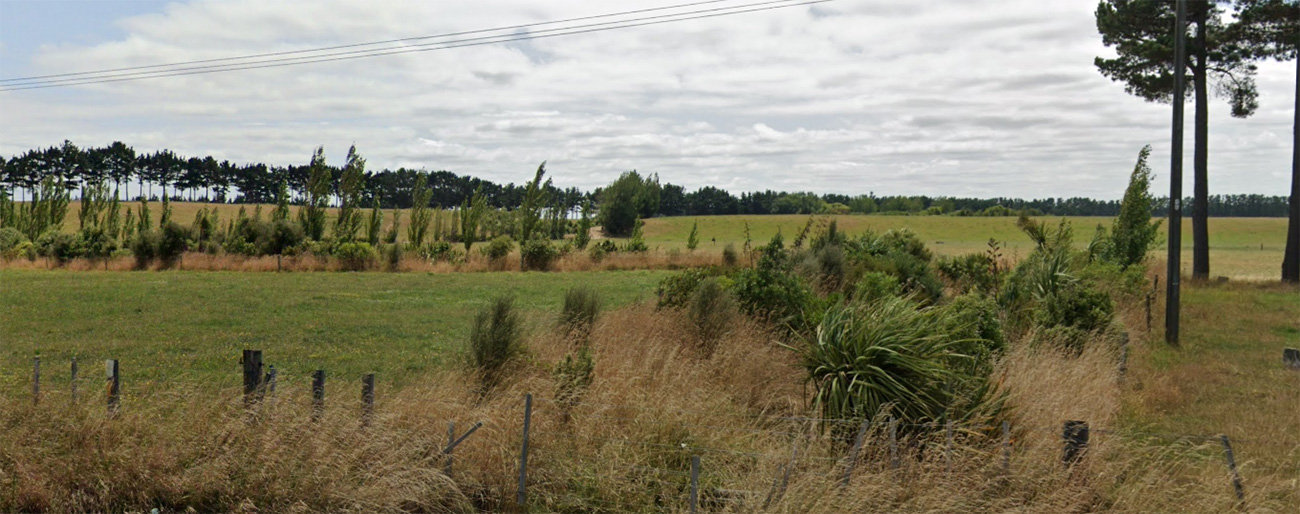
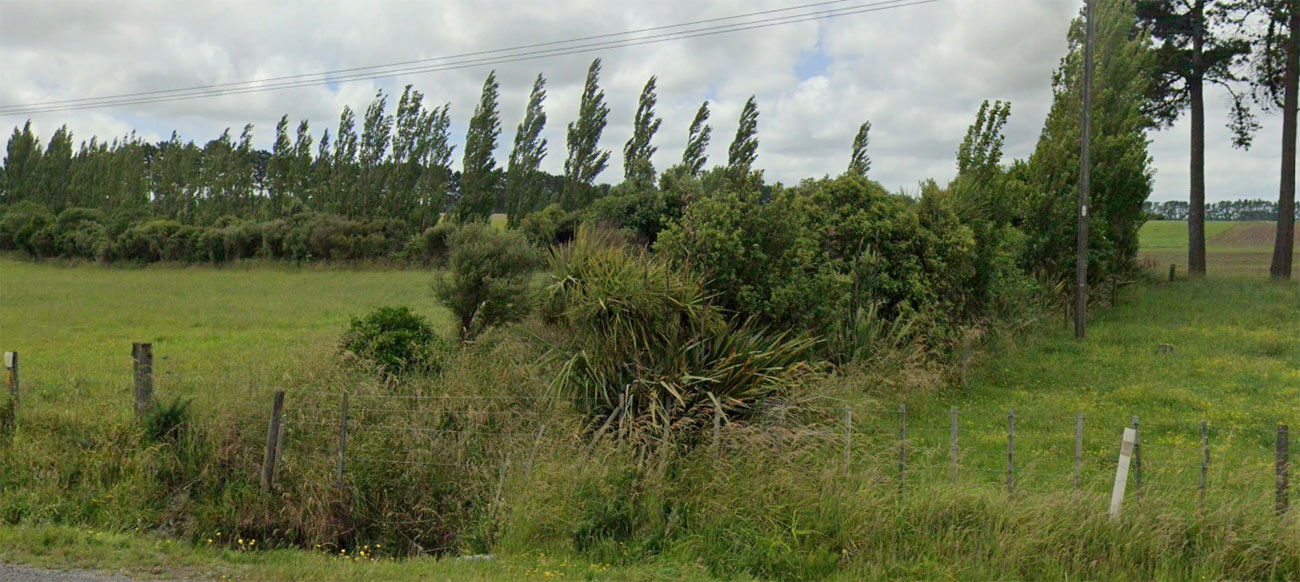
Planting on the Hastings farms started well before Logan took the helm, with the first riparian work led by his grandfather. In 2003, Logan’s grandfather contracted specialists to oversee the early programme, beginning with a 100 m section near the road. From the start, the approach was practical and cost-conscious. Planting had to work within the realities of the farm system, avoid unnecessary spend, and deliver lasting results. Those early plantings showed promise but also reinforced how easily costs and failures could escalate without the right preparation, methods, and follow-up care.
Location:
Manawatū, in the Makowhai Stream catchment
Farm type:
Multi-platform dairy operation with support dry stock
Herd size:
1,150 peak spring cows
Effective area:
440 ha
Landscape:
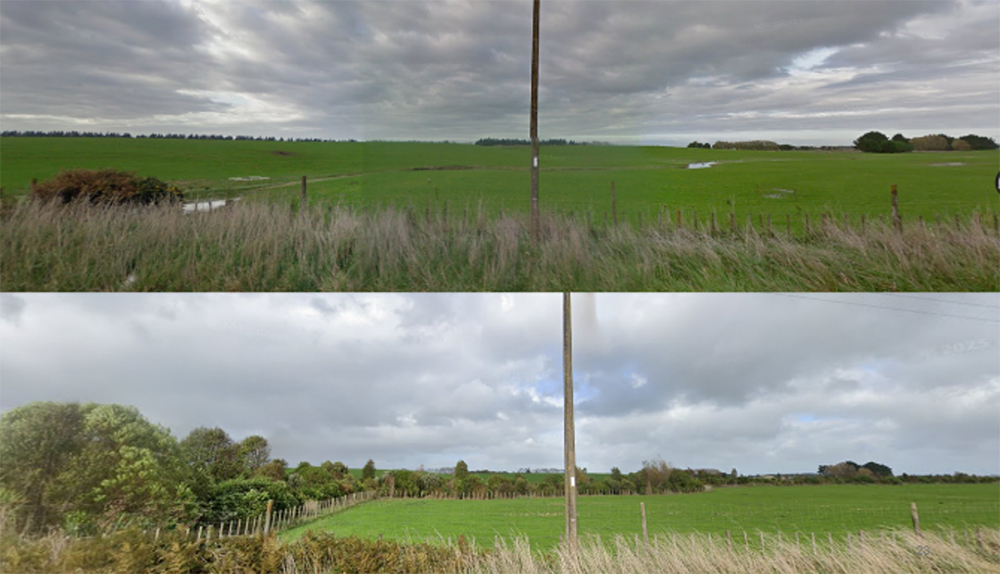
Lowland stream, rolling country, and heavy clay soils
Waterways planted:
Around 9km across Hastings properties
From 2013, riparian planting became a planned annual programme. The family prioritised areas that were already hard to manage or risky to graze, then worked through the job in stages. A key decision was to use an experienced planting contractor to manage the work as a full programme rather than treat planting as a one-off task. This meant thinking about fencing, grass control, planting, and releasing as one package. Consistent rows and spacing made plants easier to find and maintain. Timing release spraying around soil moisture and seasonal conditions also helped protect young plants and improve survival.
Riparian planting gives the farm character, it’s great to see every day.
Logan Hastings


Costs included fencing, plants, labour, and follow-up release spraying. For the Hastings family, keeping costs under control came down to doing the preparation well, using consistent spacing, and reducing unnecessary spray rounds. Their experience shows that riparian planting is more cost-effective when maintenance is planned from the start and difficult areas are prioritised first.
The riparian planting work averaged $8.15 per plant. At 2m x 2m spacing approximately 2,500 plants are required per hectare. Included in the costs were the plants, labour, delivery, maintenance and releasing operations. The Hastings benefited from planting grants from Horizons Regional Council, where in some instances up to 50% of the cost was funded. Actual costs will vary depending on fencing requirements, plant choice, site access, contractor rates, and how much follow-up maintenance is needed in the first year.
The planting programme has delivered both environmental and farm system benefits. Planted margins help reduce bank erosion, improve stream shading, and support better habitat for aquatic life. On-farm, retiring wet and difficult areas has reduced the risk of cows and machinery getting stuck, while shelter and shade have added animal comfort benefits.
“For us, it’s about doing the job well the first time and building on it over the years. If you plan it well and keep on top of maintenance, ripairan planting can be practical, cost-effective, and something you can build on over time.”


For the Hastings family, riparian planting is about more than meeting a requirement. It is about looking after the land and water well, taking pride in the farm, and making improvements that will still matter in years to come. Their story shows that starting small and doing it well can build momentum, and that practical environmental work can reflect the values many farmers already hold around stewardship, care, and leaving the farm better than they found it.
Now’s the perfect time to check in, plan, and set up for a strong season. We’ve pulled together smart tips and tools to help you stay ahead all winter long.
Whether you prefer to read, listen, or download handy guides, we’ve got you covered with trusted tools to support your journey every step of the way.
Put our proven strategies and seasonal tools to work. Boost production, support animal health and watch your profits hum.
Tools that are backed by science, shaped by farmers and made for this season.
That’s Summer Smarts.
Autumn Smarts brings together the research-backed tools that build resilience and boost performance.
The tools and insights you need to navigate the season with confidence. Backed by research and built for results – that’s Winter Smarts.