Stream restoration in Ashburton
Topics
4 min read

On Mark and Wendy’s low-input Canterbury dairy farm, wet corners and waterways that were once hard to manage have gradually become one of the farm’s greatest strengths. By fencing streams and springs, reshaping a boggy area into a pond, and planting a wide mix of natives, they have turned problem areas into shaded, biodiverse spaces that support waterway health, reduce weed clearance and make the farm a more enjoyable place to work.
The work began with a practical need: keeping stock out of waterways and dealing with wet, unproductive patches. Over time, those first steps grew into a long-term stream restoration and biodiversity project, shaped by trial and error, ongoing maintenance and a growing pride in what the planted areas were becoming.
Planting became addictive once we saw results — we’re proud we’ve made this a better piece of land.
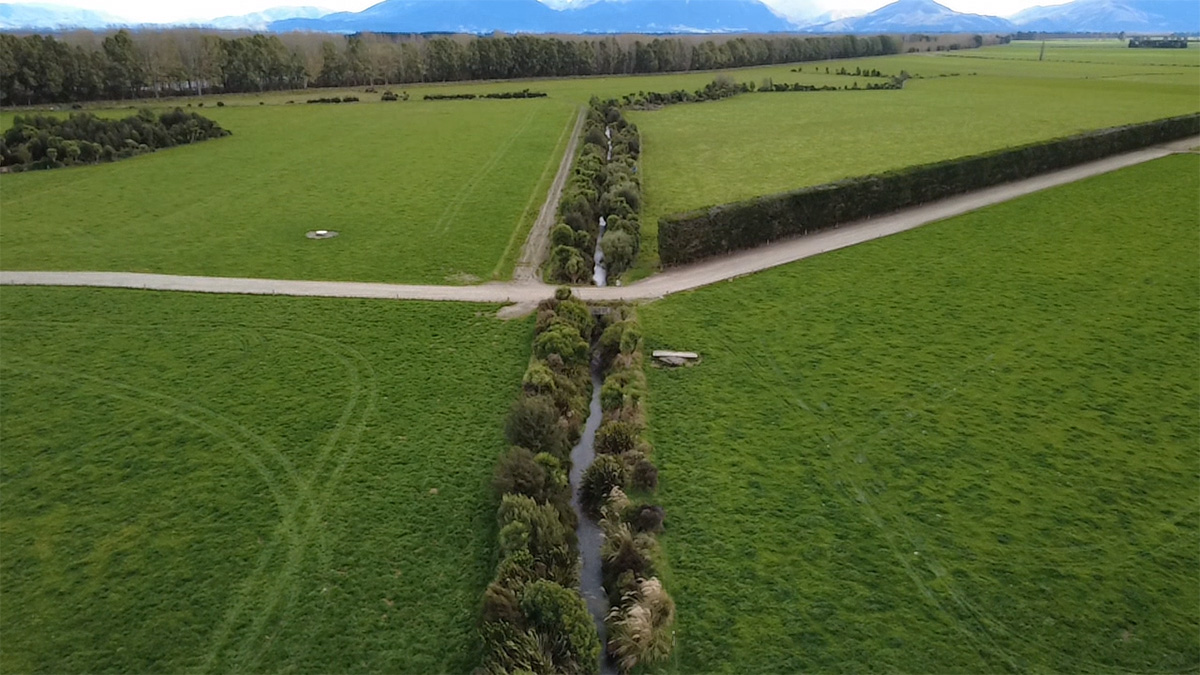
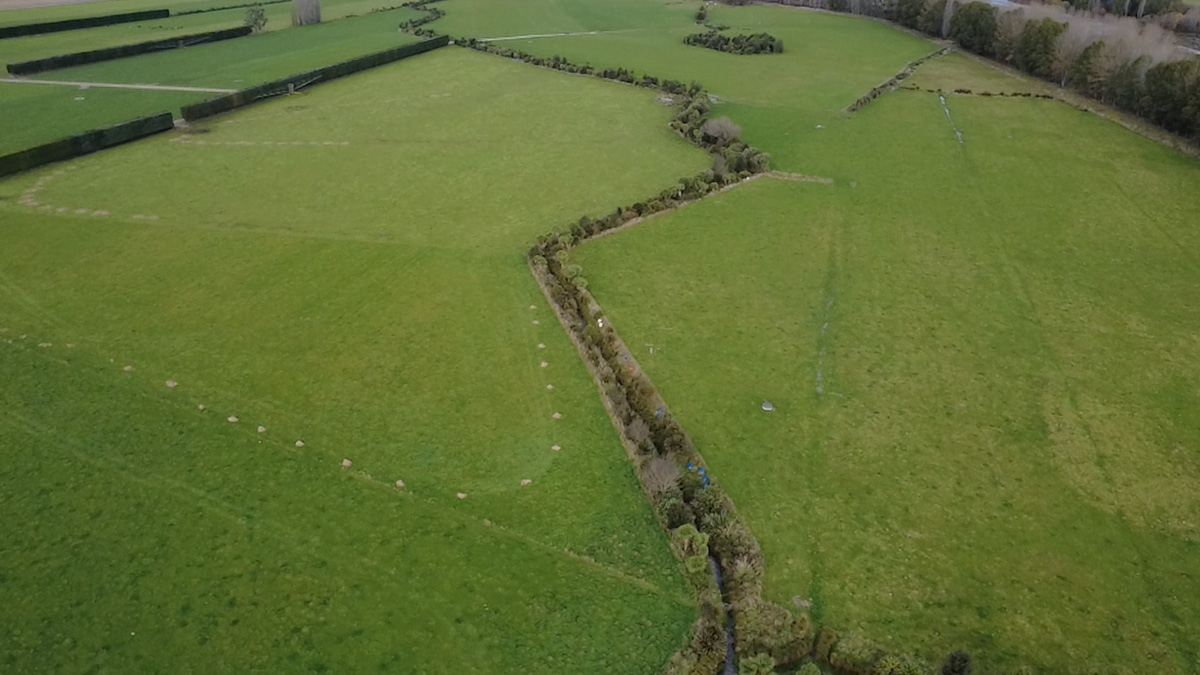
When the farm was first purchased, parts of the stream corridor and surrounding wet areas were covered in gorse and broom. Several small creeks and springs also ran through paddocks, and one wet area became increasingly boggy as water levels recovered. Cows regularly pushed into the area, damaging the paddock and making it harder to manage. Fencing these waterways was the first practical step, but it also opened the door to thinking differently about what these parts of the farm could become.
The work did not happen all at once. After getting established financially, Mark and Wendy began planting along the stream and around wet corners, learning as they went. A boggy paddock area was reshaped into a pond, then fenced and planted. From there, the planting expanded over time to include stream margins, side creeks, wetland edges and shelter areas. Species have included flax, kōwhai, tōtara, pittosporums, ribbonwood, beech, sedges and other natives suited to different parts of the site.
Like many successful planting projects, the approach evolved over time. Early lessons showed the importance of protecting young plants, staying on top of weed control and planning for ongoing maintenance. The planting strategy shifted towards establishing cover first, then adding longer-term canopy species later. The result is a more resilient and increasingly self-sustaining planted area, with self-seeded seedlings transferred to new areas and some seed now being collected and propagated on-farm for future planting.


Location:
Ashburton, Canterbury
Farm type and system:
Low input, mostly grass; some silage, cows wintered at a support block
Total area:
Approx. 190 ha
Non-grazed/retired area:
Approx. 7–9 ha (wetland/streams/plantings – estimate)
Stocking rate:
Approx. 3.2
Nitrogen use:
80 kg N/ha (approx.)
Key landscape features:
Main stream (approx 1.2–1.3 km) plus side streams, springs, wetland/pond, stopbank areas
Catchment involvement:
Active catchment group focused on planting and pest control

A duck’s eye view of the pond that was excavated to replace a boggy spring that made the paddock difficult to manage.
Mark and Wendy started planting along the stream and in wet areas, learning by doing rather than following a strict master plan. Early on, a retired farmer with native-planting experience helped select plants for one area (a roadside/dust-driven shelter planting), but since then the approach has been self-directed—reading, observing what works, and adapting over time.
A key early project was reshaping a boggy wet patch into a pond, using a digger for form the area before fencing and planting it. From there, the work grew gradually across the farm, with planting added along stream margins, side creeks, wetland edges, and shelter areas.
A wide mix of native species has been used, including flax, pittosporums (including compact varieties), kōwhai, tōtara, beech, ribbonwood, mānuka (trialled) sedges and carex. As the planted areas became more established, groundcovers and ferns were added to help fill out the understorey.
Don’t try to do too much — the biggest mistake is planting and then not maintaining it.

A fenced and planted spring flowing into the main waterway on the farm.
Establishment has taken time and consistency. Weed control is critical in the first few years, and missing maintenance can quickly set plants back. Frost, browsing pests such as hares, and occasional stock break-ins have also caused losses. These setbacks reinforced the need to protect planting investment and keep the scale of work manageable.
Once you get enough cover, the stream looks after itself — I don’t have to clear weeds in the water anymore.
The next stage of work includes continuing planting around the stopbank and wet edges, infill planting (particularly larger trees), improving pest control, and expanding monitoring across the farm’s waterways. It is a good example of how biodiversity work can sit alongside a productive dairy system, with practical gains for the farm and long-term benefits for the wider environment.

The farm duckpond and camping area for the grandkids. This was originally a boggy area on the farm from a spring. Original attempts at putting novaflow in failed, so a digger was brought into shape a pond and then the surrounding area was planted.
Now’s the perfect time to check in, plan, and set up for a strong season. We’ve pulled together smart tips and tools to help you stay ahead all winter long.
Whether you prefer to read, listen, or download handy guides, we’ve got you covered with trusted tools to support your journey every step of the way.
Put our proven strategies and seasonal tools to work. Boost production, support animal health and watch your profits hum.
Tools that are backed by science, shaped by farmers and made for this season.
That’s Summer Smarts.
Autumn Smarts brings together the research-backed tools that build resilience and boost performance.
The tools and insights you need to navigate the season with confidence. Backed by research and built for results – that’s Winter Smarts.