Using drones to establish native plants in hard-to-reach gullies
Topics
4 min read

Sandra and Chris run a rolling South Otago dairy farm where every paddock has gullies and seasonal creeks. After early plantings failed, they trialled planting seedings by drone and selective blanket spraying to establish native cover at scale. Now they grow about 4,000 plants a year, plant a new gully each season, and are building dense, self-managing native corridors that add shelter, biodiversity, future carbon value and improve water quality.
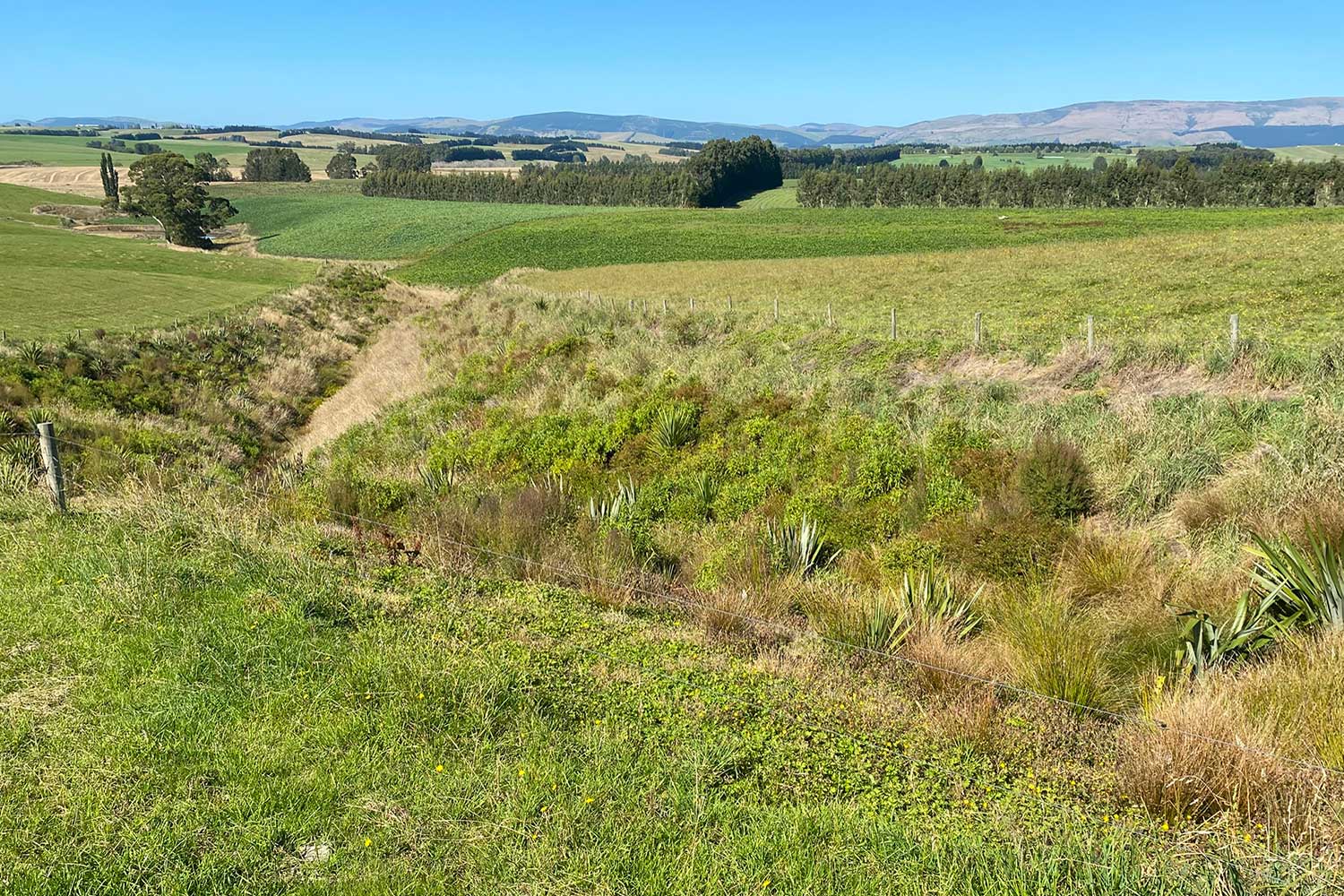
When Chris and Sandra arrived, the farm had very little biodiversity. “There were two flax bushes at the mailbox, plus pines and pasture,” Sandra says. The rolling terrain means every paddock has gullies with waterways at the bottom which had higher concentrations of sediment from runoff. Early planting in gullies failed; grass and weeds outcompeted cheap seedlings, maintenance was hard in steep gullies, and replanting was needed. “We wanted a scalable way to establish natives without spending a small fortune, while still running a high-input dairy system through dry summers,” says Sandra.
It’s nice to improve the farm - you’re leaving something better than you found it.
The Campbell’s originally fenced off gullies for better farm management. These were problem spots that were hard to use, risky for stock, and increased runoff. “After fencing, we didn’t want the areas turning into long grass and gorse. We wanted to grow something useful and nice and leave something better than we found it”, says Sandra. The shift really accelerated once a trial showed drone seeding and spray management could work and be repeated across the farm.
Location:
South Otago
Farm size:
235 effective ha (330ha total)
Herd size:
550 cows
Farm type and system:
High input, wintering on fodder beet and chow, lots of grain in-shed, TAD milking, dropping to OAD in May
Landscape:
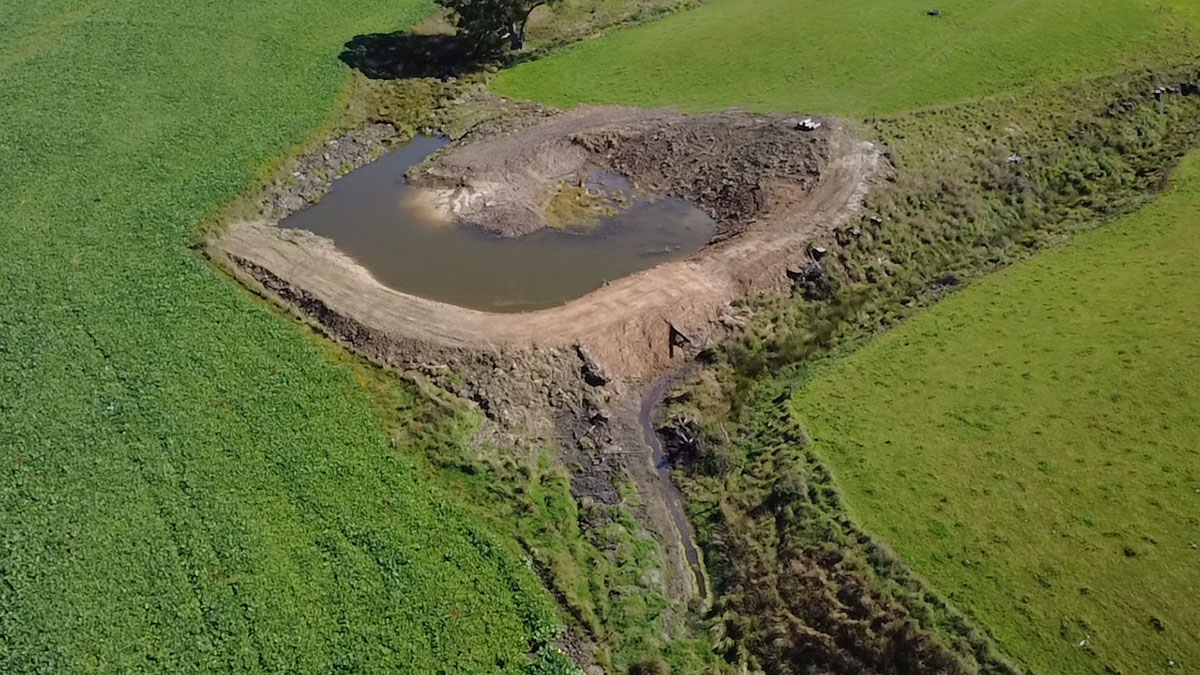
Rolling country; many gullies with waterways/seasonal creeks; critical source areas; some boggy/cutty-grass areas; duck ponds created in CSA areas

Sandra and Chris Campbell.
Sandra and Chris started with conventional planting. “Firstly, we grazed the gully, fenced it, put in cheap seedlings and then kept an eye on grass and weeds, because maintenance with a knapsack in steep gullies is punishing”, Sandra says. “After three sites and multiple replants, we looked for an easier method that would be more sustainable.”
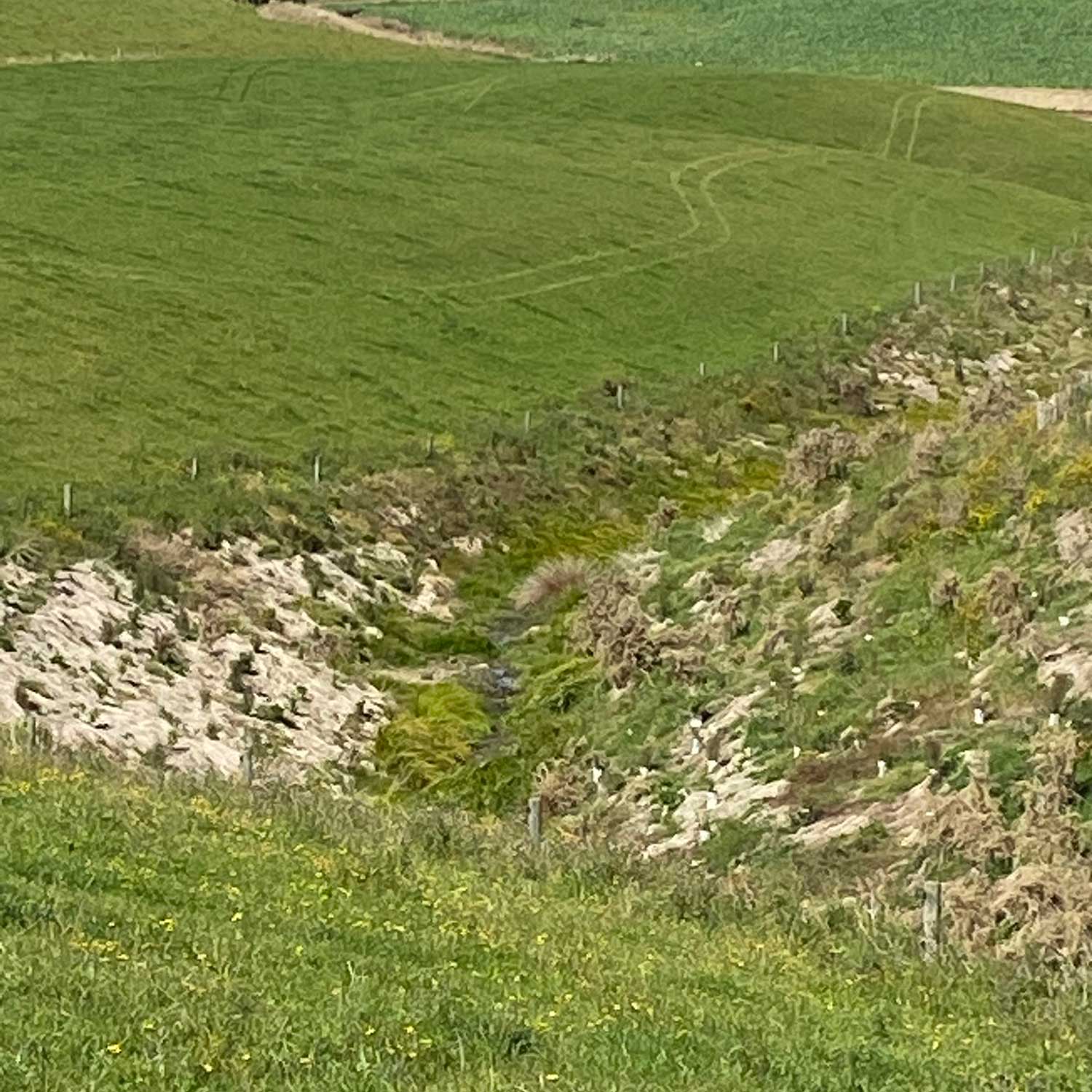
A breakthrough came via the Otago South River Care catchment group, which had innovation funding. A trial using direct-drilled native seed (Seed NZ Natives / Bryford drill) proved the concept, and they adapted it for gullies using drone seeding and repeated selective blanket spraying to suppress competition. Botanists (Red Tree Consultants) helped with drone seeding technique and fast-establishing species in the early phase. As drone services became locally available, costs dropped from thousands per visit to a few hundred per gully, making the system practical year-to-year.


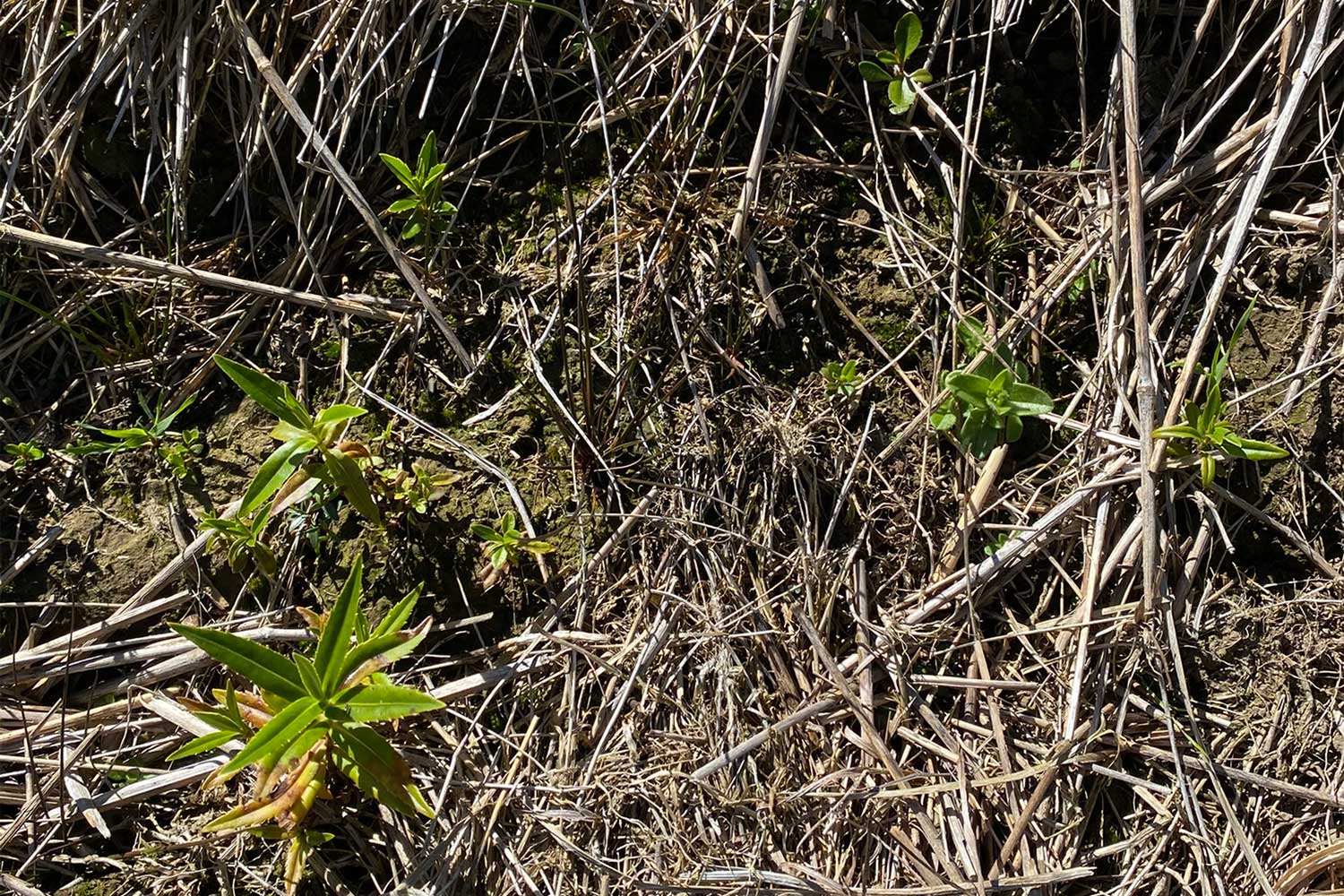
Sandra and Chris moved away from traditional planting with spot maintenance toward a repeatable recipe: graze → Roundup → seed → plant → broadcast selective spray about three times per year to keep competition down while natives establish.
"We learned that missing a spray can undo progress, and that broad spraying over a tolerant species mix is far easier than spot spraying,” says Sandra. "We also stopped using plant protectors because broad spraying reduces grass pressure, protectors add major labour cost, and we haven’t had much browsing damage from rabbits; and as sites mature, we stop broad spraying and add taller tree species like ribbonwood where needed to provide shade and structure.”
Follow the recipe if you want it to work at scale - otherwise people overcomplicate it and do nothing.
Some gullies still contain problem tree weeds such as pines, broom, and blackberry, which require manual work with a knapsack or extra funding to manage. The spray-tolerant recipe also limits which species can be used in the early stages, with more sensitive plants such as ribbonwood, toetoe, and kōwhai often needing to be added later for height and structure. Even with visible results, getting others to try the approach has been harder than expected.

More native habitat and plant diversity are being created, with the farm now planting around 30–40 native species compared with almost none at the start. Vegetated gullies and areas also act as filtering zones before water leaves the farm, with the aim of intercepting sediment and nutrients. Duck ponds add further habitat potential through planted margins, with future plans to create cover for crayfish as well.

Excluding reduces awkward stock zones that are difficult to access and risky in wet or steep corners. The method is also cost-effective compared with conventional large-scale planting and is manageable within normal farm workload. There is also potential for a productivity or price signal through Fonterra’s emissions offset and differential framework, where offsetting may contribute to improved bracket performance.

The approach brings people and whānau benefits. It reflects a strong sense of pride and legacy. The nursery and planting work have also become a hobby and family activity, with the children helping at times and woofers bringing extra hands and energy. Field days and peer learning have added another dimension, creating opportunities to share the approach through catchment networks and farm forestry audiences.


"We’ll keep rolling through our annual gully programme, adding another gully each year, connecting up plantings, and tackling weedy gullies differently - potentially using EcoFund support for knapsack work,” says Sandra.
"We also want to add more tall tree species to increase shade and long-term structure, deal with lingering issues like willows in older wet areas and refine our carbon/offset mapping as plantings expand and Douglas fir blocks are replanted and begin counting in our farm’s offset position.”
Now’s the perfect time to check in, plan, and set up for a strong season. We’ve pulled together smart tips and tools to help you stay ahead all winter long.
Whether you prefer to read, listen, or download handy guides, we’ve got you covered with trusted tools to support your journey every step of the way.
Put our proven strategies and seasonal tools to work. Boost production, support animal health and watch your profits hum.
Tools that are backed by science, shaped by farmers and made for this season.
That’s Summer Smarts.
Autumn Smarts brings together the research-backed tools that build resilience and boost performance.
The tools and insights you need to navigate the season with confidence. Backed by research and built for results – that’s Winter Smarts.