
Total results 91
Total results 91
Search results for "Treating mastitis"
-
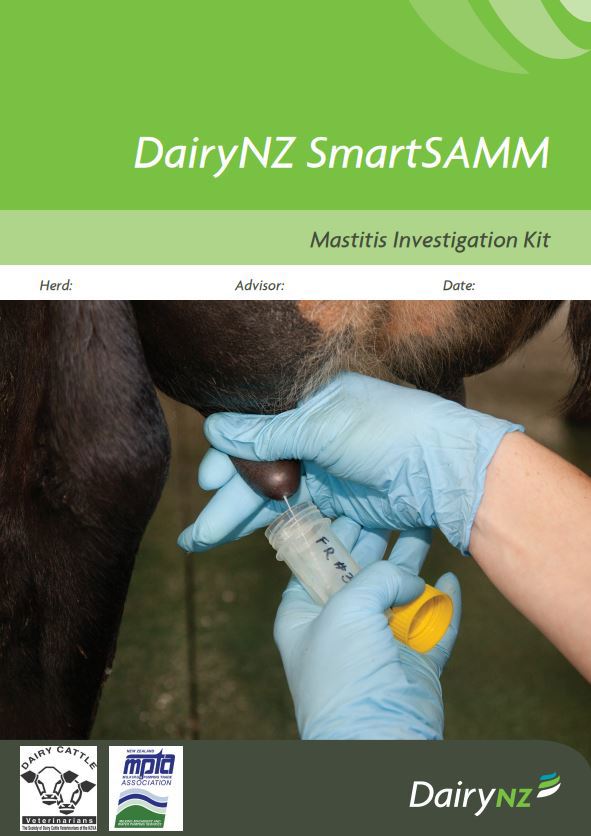
Mastitis Investigation Kit
The kit provides a resource that professional advisors can use to gather information during a full mastitis investigation.
Resources
•Mastitis
•Mastitis Investigation Kit
The kit provides a resource that professional advisors can use to gather information during a full mastitis investigation.
Resources
•Mastitis
• -

Mastitis Focus Factsheet - Clinical Mastitis
How to understand your clinical mastitis report.
Resources
•Mastitis
•Mastitis Focus Factsheet - Clinical Mastitis
How to understand your clinical mastitis report.
Resources
•Mastitis
• -
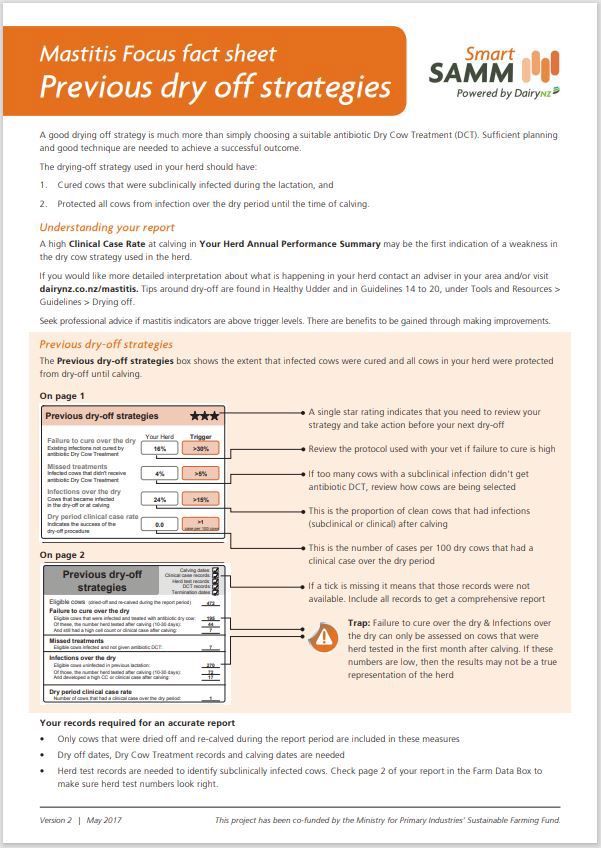
Mastitis Focus Fact Sheet - Previous Dry Off Strategies
Understanding your Smart Samm report for previous dry-off strategies.
Resources
•Mastitis
•Mastitis Focus Fact Sheet - Previous Dry Off Strategies
Understanding your Smart Samm report for previous dry-off strategies.
Resources
•Mastitis
• -
Introducing Smartsamm Mastitis Focus Report
Introducing the SmartSAMM Mastitis Focus report.
Resources
•Mastitis
•Introducing Smartsamm Mastitis Focus Report
Introducing the SmartSAMM Mastitis Focus report.
Resources
•Mastitis
• -
Mastitis, Somatic Cell Counts, Animal Health and Once-a-Day (OAD) Milking
Proceedings of The 2007 Once-a-Day Milking Conference.
Resources
•Milking
•Mastitis, Somatic Cell Counts, Animal Health and Once-a-Day (OAD) Milking
Proceedings of The 2007 Once-a-Day Milking Conference.
Resources
•Milking
• -
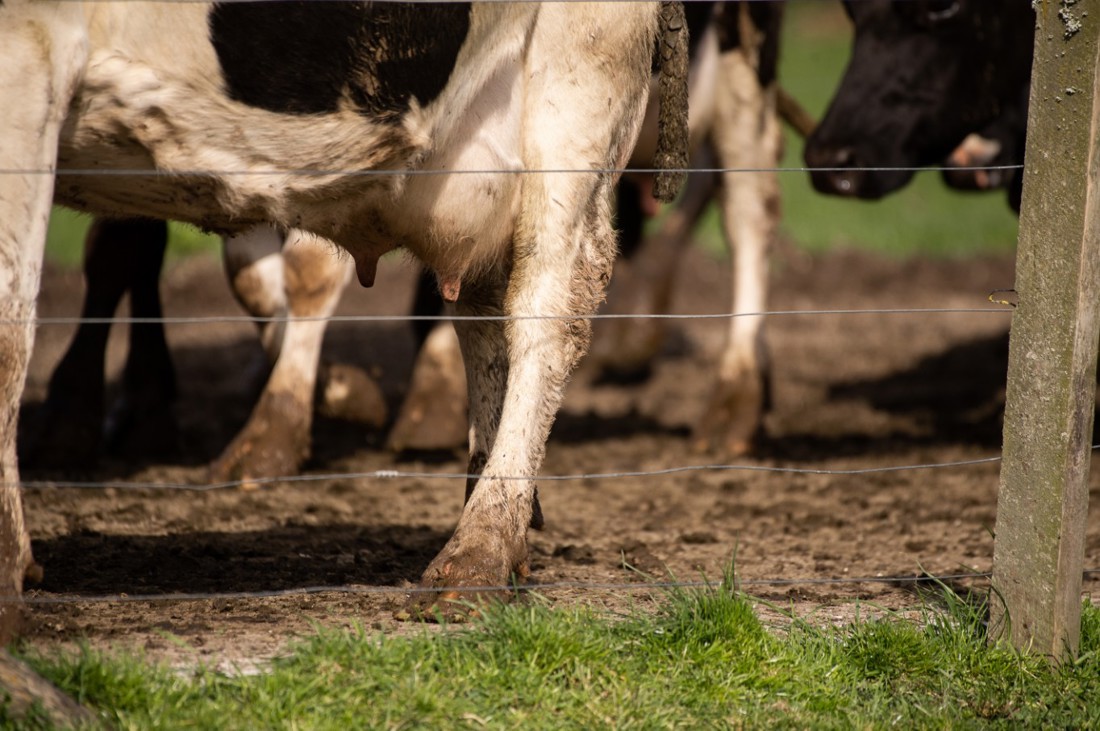 Animal movements
Moving animals on and off farm has its risks. A common way for mastitis bacteria to be introduced into a herd is in the udders of cows that are brought in. These bacteria can spread rapidly through a herd, so it is important to mitigate risk factors.
Animal•3 min read
Animal movements
Moving animals on and off farm has its risks. A common way for mastitis bacteria to be introduced into a herd is in the udders of cows that are brought in. These bacteria can spread rapidly through a herd, so it is important to mitigate risk factors.
Animal•3 min read
-
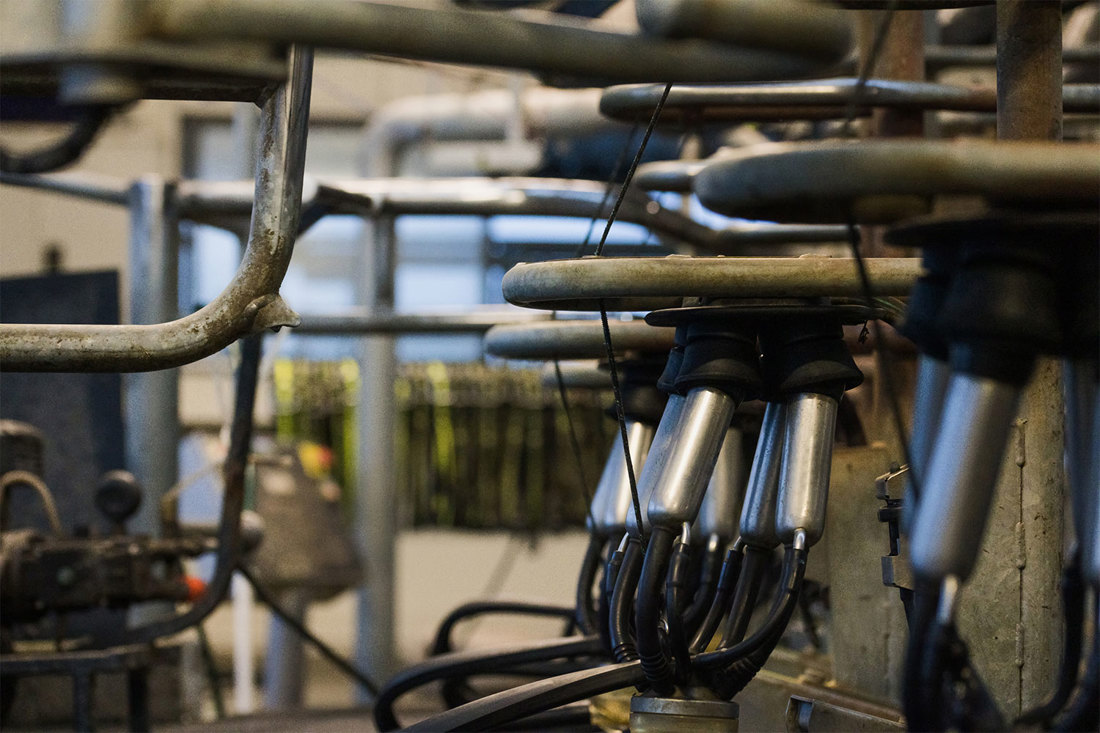 Milking machine care
In typical New Zealand dairy herds, faulty milking equipment is estimated to cause as many as 40-50% of new clinical mastitis cases. Over an extended period, poorly functioning milking machines cause teat damage and increase the risk of infection.
Animal•4 min read
Milking machine care
In typical New Zealand dairy herds, faulty milking equipment is estimated to cause as many as 40-50% of new clinical mastitis cases. Over an extended period, poorly functioning milking machines cause teat damage and increase the risk of infection.
Animal•4 min read
-
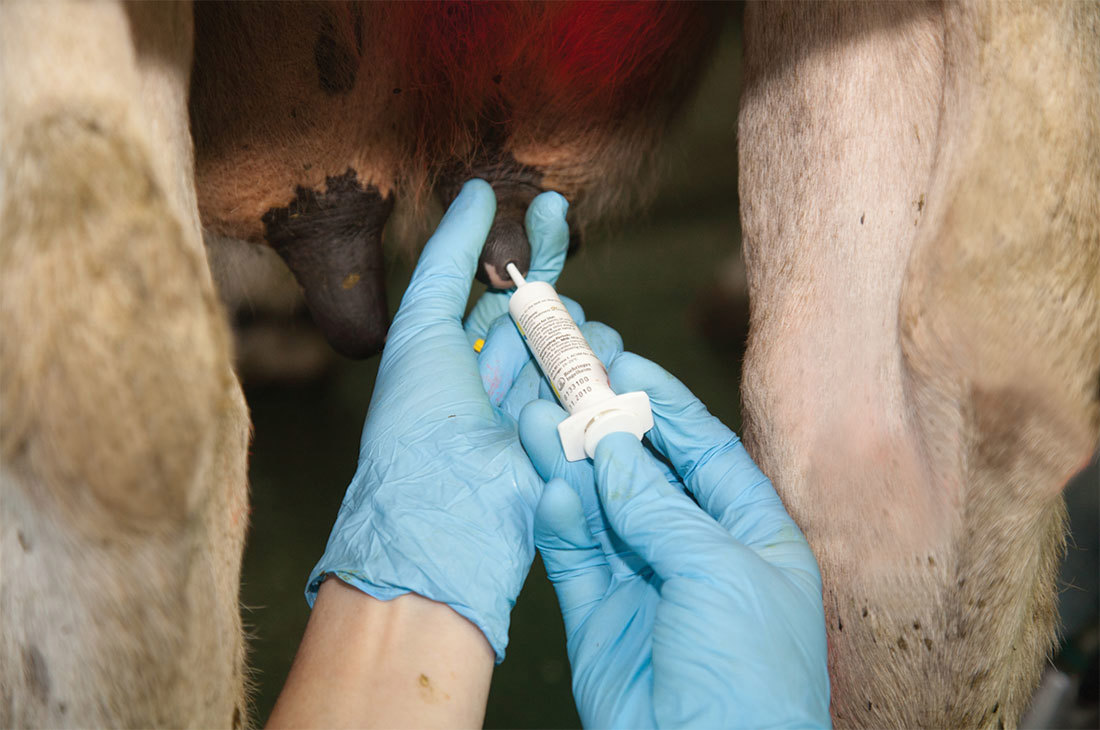 Administering dry cow treatments
Dry cow treatment should be administered with careful preparation, strict hygiene, and good aftercare to protect cow health and prevent mastitis. Before treatment, cows should be clearly identified and equipment prepared so the process runs smoothly.
Animal•3 min read
Administering dry cow treatments
Dry cow treatment should be administered with careful preparation, strict hygiene, and good aftercare to protect cow health and prevent mastitis. Before treatment, cows should be clearly identified and equipment prepared so the process runs smoothly.
Animal•3 min read
-
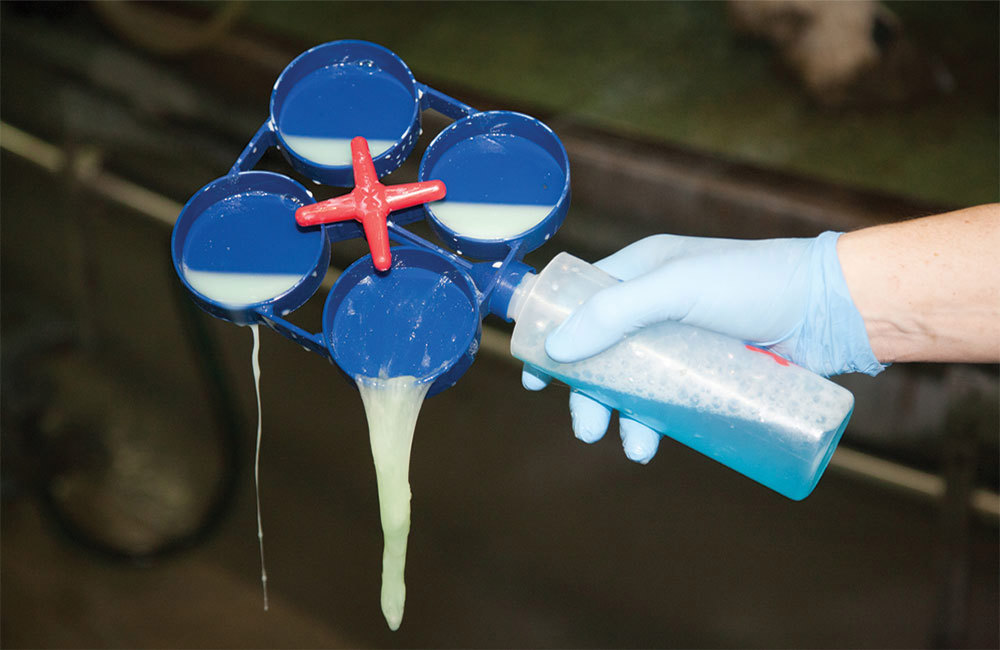 Managing somatic cell count
Somatic cell count (SCC) measures the number of white blood cells in milk and is a key indicator of mastitis. Bulk milk SCC measures the overall cell count in the vat. Monitoring both allows you to detect problems early and manage SCC effectively.
Animal•5 min read
Managing somatic cell count
Somatic cell count (SCC) measures the number of white blood cells in milk and is a key indicator of mastitis. Bulk milk SCC measures the overall cell count in the vat. Monitoring both allows you to detect problems early and manage SCC effectively.
Animal•5 min read
-
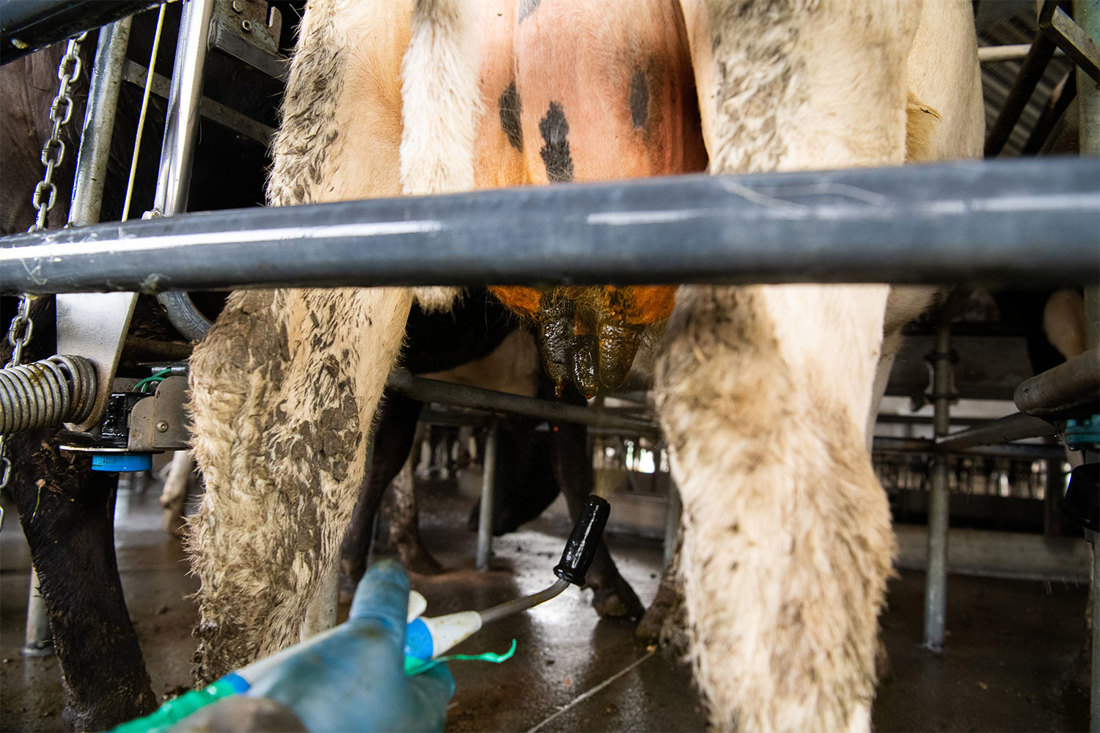 Managing teat health
Healthy teats are the first line of defence against mastitis. If you get teat health right, somatic cell count, milk quality, and cow health get a lot easier. This page outlines what good teat health looks like, and how to fix poor teat health.
Animal•5 min read
Managing teat health
Healthy teats are the first line of defence against mastitis. If you get teat health right, somatic cell count, milk quality, and cow health get a lot easier. This page outlines what good teat health looks like, and how to fix poor teat health.
Animal•5 min read
-
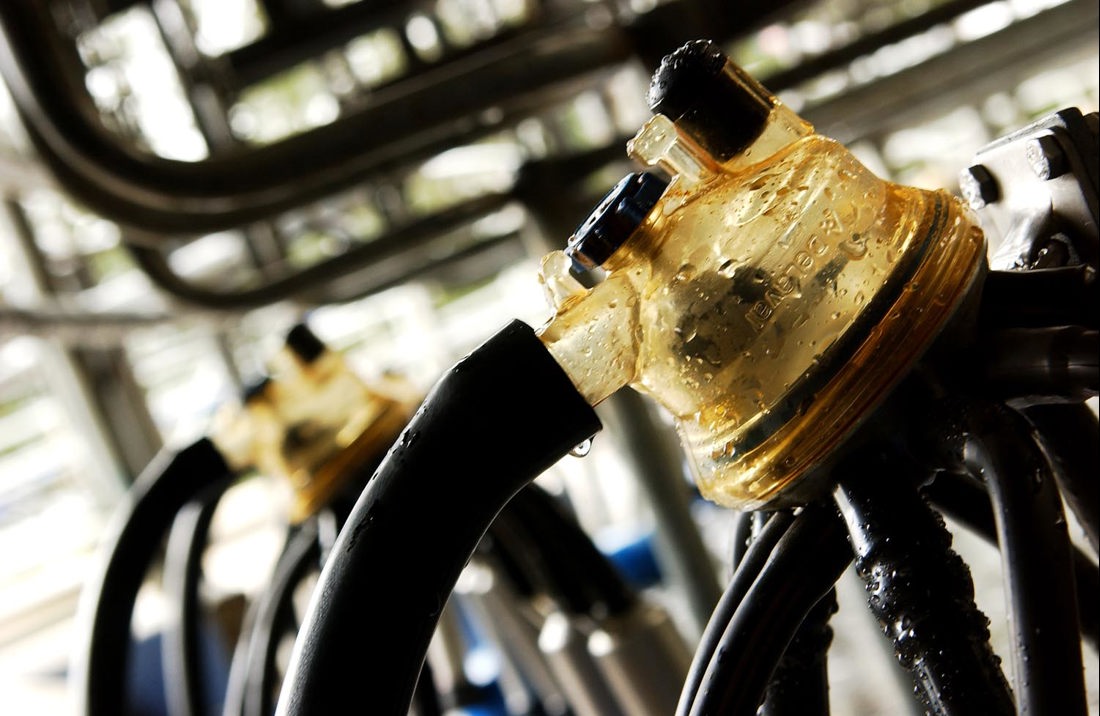 Cluster attachment and removal
Getting the cluster attachment and removal right is crucial during milking. It ensures that the milk is of good quality, prevents harm to the teats, and reduces the risk of mastitis.
Milking•6 min read
Cluster attachment and removal
Getting the cluster attachment and removal right is crucial during milking. It ensures that the milk is of good quality, prevents harm to the teats, and reduces the risk of mastitis.
Milking•6 min read
-
 Focus Report
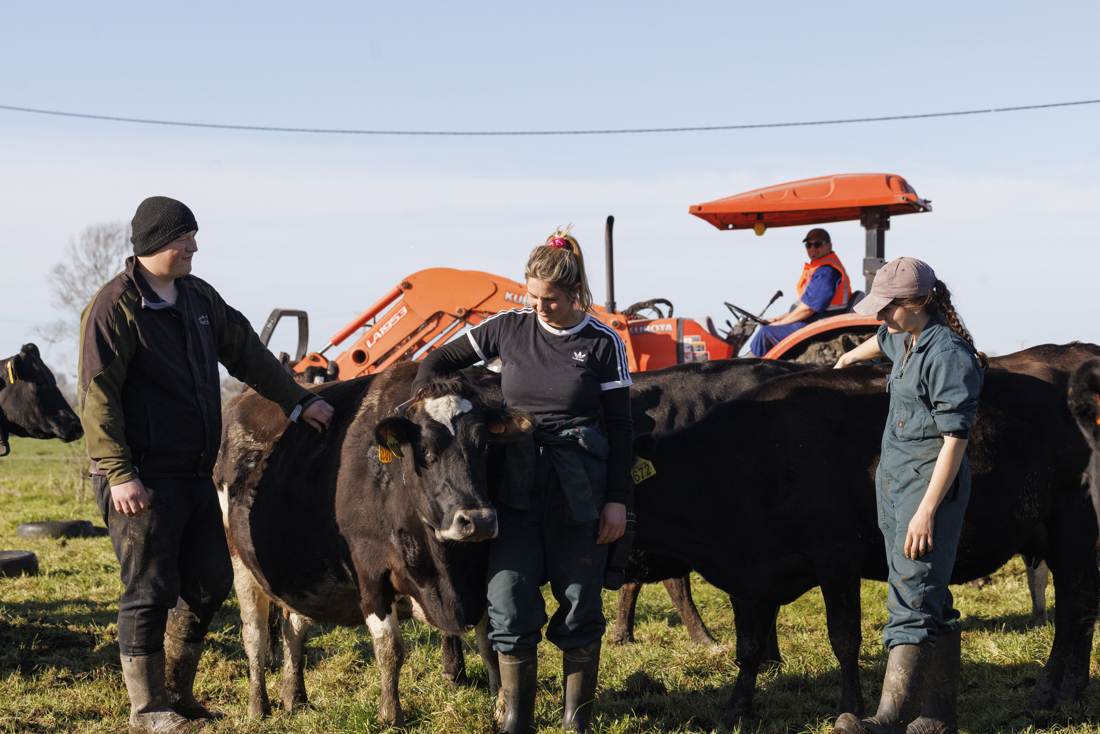
The Mastitis Focus report helps you manage mastitis in your herd. This two-page report identifies problem areas and risks to udder health, letting you and your veterinary advisers track changes.
Animal•2 min read
Focus Report
The Mastitis Focus report helps you manage mastitis in your herd. This two-page report identifies problem areas and risks to udder health, letting you and your veterinary advisers track changes.
Animal•2 min read
-
 Teat preparation and spraying
Learn about teat preparation and spraying basics and how washing keeps milk quality high, prevents damage, and reduces mastitis. Discover handy tips like strategic washing, proper drying, and avoiding bulk washing.
Milking•5 min read
Teat preparation and spraying
Learn about teat preparation and spraying basics and how washing keeps milk quality high, prevents damage, and reduces mastitis. Discover handy tips like strategic washing, proper drying, and avoiding bulk washing.
Milking•5 min read
-
 Herringbone routine
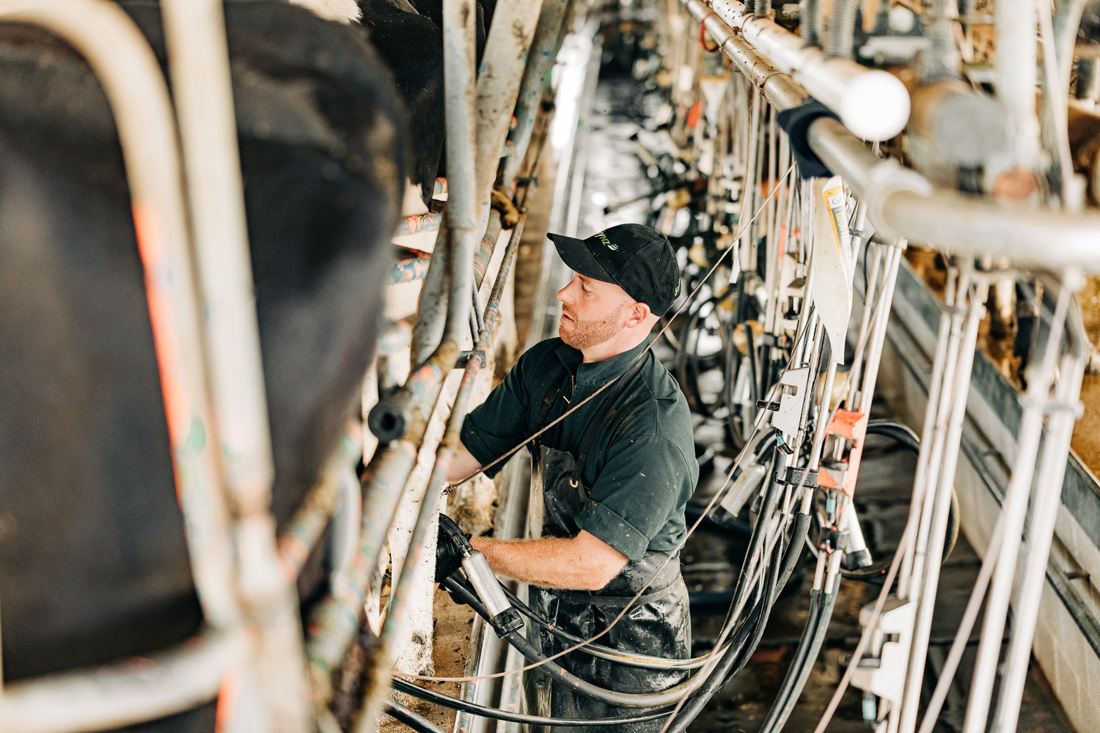
Here you’ll learn about ways to make your herringbone dairy more effective, often for little or no extra cost. The swing-over herringbone is the most common dairy type in New Zealand, used on 69% of dairy farms.
Milking•2 min read
Herringbone routine
Here you’ll learn about ways to make your herringbone dairy more effective, often for little or no extra cost. The swing-over herringbone is the most common dairy type in New Zealand, used on 69% of dairy farms.
Milking•2 min read
-
 Fundamentals overview
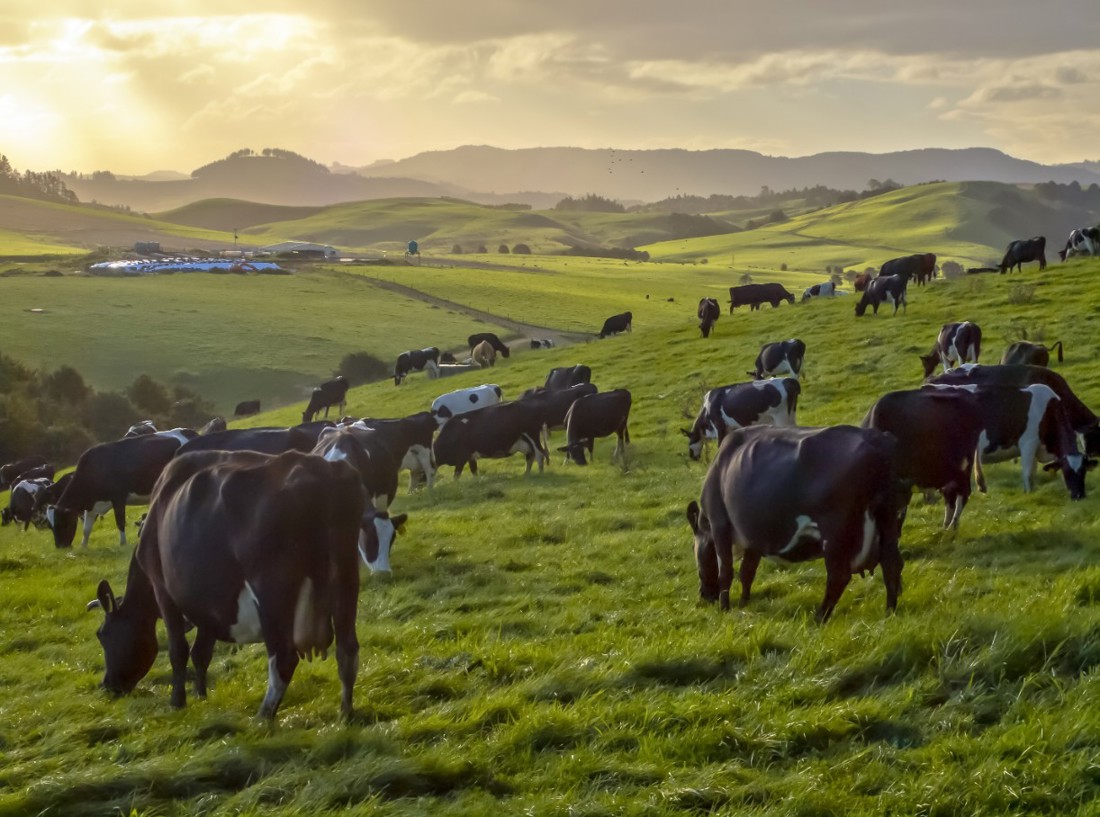
Learn the habits of farmers with excellent pasture management, including controlling daily grazing area, treating pasture like a crop, and maintaining optimal pasture cover.
Feed•7 min read
Fundamentals overview
Learn the habits of farmers with excellent pasture management, including controlling daily grazing area, treating pasture like a crop, and maintaining optimal pasture cover.
Feed•7 min read
-

Lameness field guide
A farmer's guide to treating lameness.
Resources
•Lameness
•Lameness field guide
A farmer's guide to treating lameness.
Resources
•Lameness
• -
 Preparing for dry off
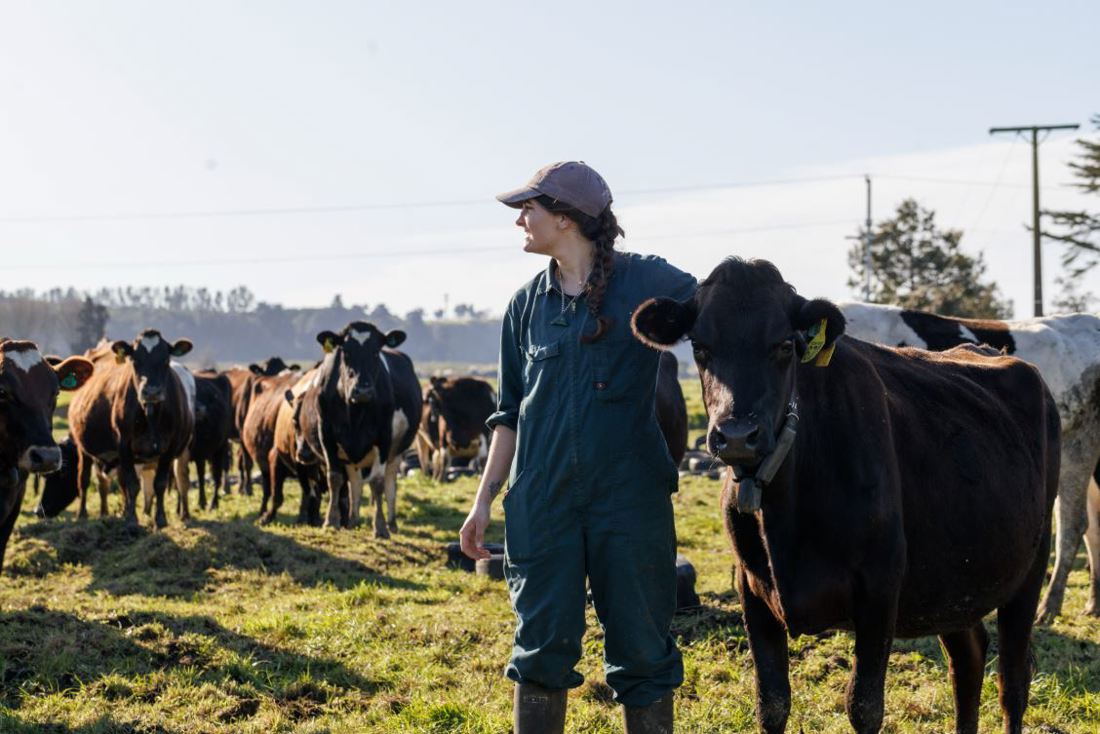
Planning and preparing for dry-off is essential. It is important to undergo careful planning, proper execution, and good follow-up to protect cow health, improve efficiency, and ensure the herd is well prepared for the next lactation.
Animal•3 min read
Preparing for dry off
Planning and preparing for dry-off is essential. It is important to undergo careful planning, proper execution, and good follow-up to protect cow health, improve efficiency, and ensure the herd is well prepared for the next lactation.
Animal•3 min read
-
 Creating a thriving wetland for wildlife in Waipahi
For Southland dairy farmer Gerard Vallely, what started as a final project before retirement, became a community-supported wetland, now home to birdlife, native species and a growing sense of pride for the next generation taking over the farm.
Research•3 min read
Creating a thriving wetland for wildlife in Waipahi
For Southland dairy farmer Gerard Vallely, what started as a final project before retirement, became a community-supported wetland, now home to birdlife, native species and a growing sense of pride for the next generation taking over the farm.
Research•3 min read
-
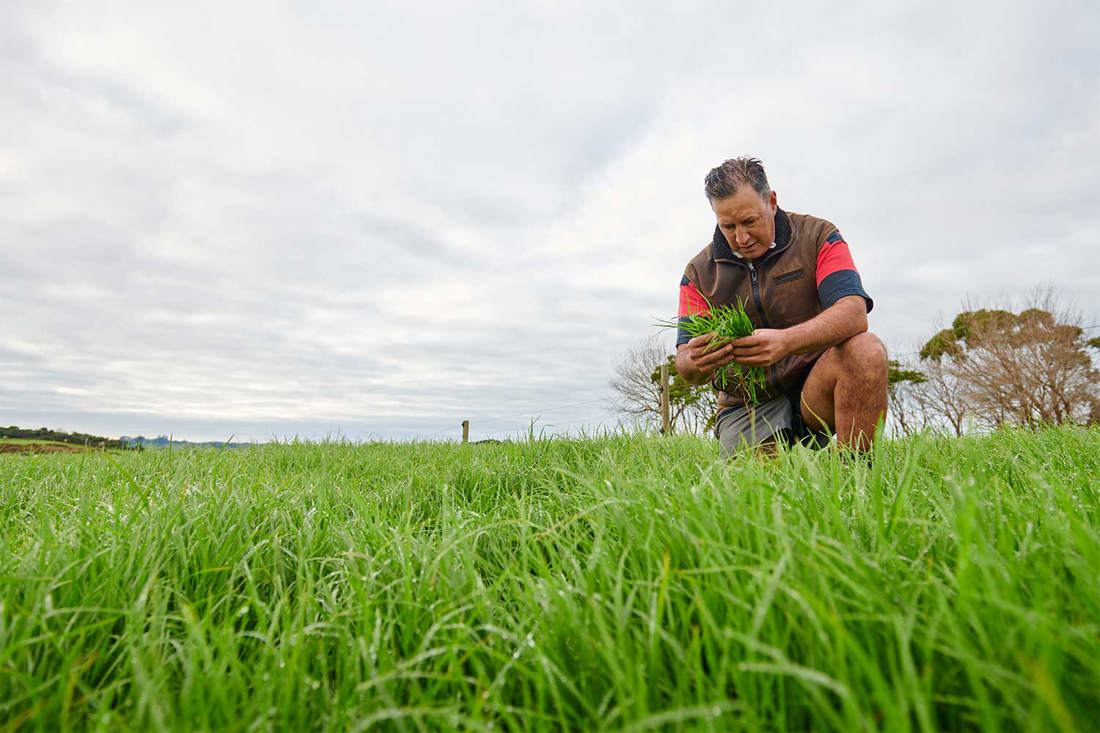 Inside Dairy | Testing more resilient pastures on-farm
Farms across the upper North Island are trialling different pasture mixes as part of a research programme that aims to build greater resilience into farming systems.
Inside Dairy•25 Aug 2026
•2 min read
Inside Dairy | Testing more resilient pastures on-farmFarms across the upper North Island are trialling different pasture mixes as part of a research programme that aims to build greater resilience into farming systems.
Inside Dairy•25 Aug 2026
•2 min read
-
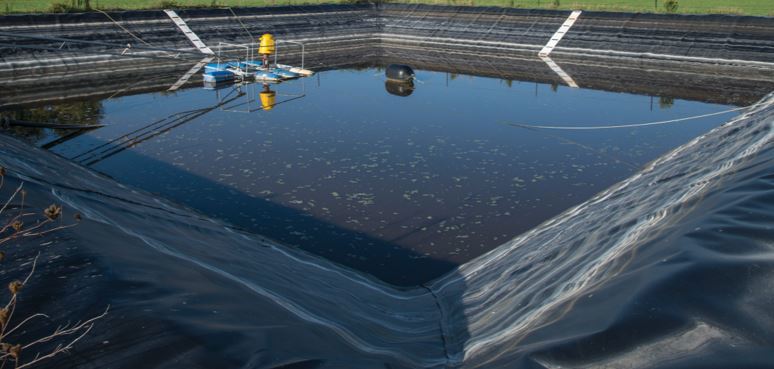 Effluent pond seepage testing
Effluent ponds must meet seepage limits to protect the environment and comply with council requirements. This page explains Pond Drop Testing (PDT), how it measures leakage, what’s involved, how to interpret results, and when retesting may be needed.
Environment•3 min read
Effluent pond seepage testing
Effluent ponds must meet seepage limits to protect the environment and comply with council requirements. This page explains Pond Drop Testing (PDT), how it measures leakage, what’s involved, how to interpret results, and when retesting may be needed.
Environment•3 min read


