Plantain
Topics
9 min read

Plantain is a grazing herb that grows well across New Zealand and fits easily into most pasture-based farm systems. It can be managed on a similar rotation to perennial ryegrass and works alongside other pasture species. Research shows Ecotain® plantain can help reduce nitrogen losses, supporting farmers to lower their environmental footprint without major changes to their system or day-to-day management. Farmer case studies show practical, low-cost ways plantain is being used to reduce nitrogen leaching on farm.
Narrow leaf plantain (Plantago lanceolata) is a palatable grazing herb with a fibrous, coarse root system. It grows well across New Zealand and can be managed on a similar rotation to perennial ryegrass, making it a practical option for many farm systems.

Trials from the Plantain Potency and Practice programme show that plantain is a low-cost, high impact tool for reducing nitrogen leaching while maintaining farm productivity. Plantain research also shows strong potential for reducing nitrous oxide emissions and methane from grazed pastures containing plantain. Read more on Plantain potency and practice research.
Urine patches are the biggest contributor to nitrate leaching and nitrous oxide emissions from dairy farms. Nitrogen in urine is first converted to ammonia, then to nitrate by soil microbes. While plants can take up some ammonia and nitrate, the nitrogen concentration in a urine patch is often more than plants can use. Excess nitrate can move below the root zone into surface or groundwater, or be converted to nitrous oxide, a long-lived greenhouse gas. Ecotain® plantain can reduce nitrogen loss in six ways. Read more about reducing nitrogen loss.

Illustration of the nitrogen cycle
Plantain can reduce the amount and concentration of nitrogen in urine patches. Together, the animal-related effects are modelled in Overseer as an average reduction of around 6% in nitrogen leaching for every 10% plantain across a farm.
Including plantain in the diet increases urine volume and the number of urination events, which lowers the nitrogen concentration in each urine patch. This is partly because Ecotain® has, on average, around 30% lower dry matter than perennial ryegrass, increasing water intake and urine volume in proportion to the amount of Ecotain® eaten.
When cows eat plantain, less of the nitrogen they consume is excreted in urine and more is partitioned to faeces and milk compared with perennial ryegrass. This is linked to plantain’s lower soluble nitrogen and rumen degradable protein, higher rumen undegradable protein, and higher non-structural carbohydrates relative to dietary nitrogen. Plantain’s secondary compounds may also reduce ammonia production in the rumen and further reduce nitrogen excreted in urine.
Ecotain® plantain can further reduce nitrate leaching and nitrous oxide emissions through changes to nitrogen cycling in soil. These processes support higher nitrogen retention in soil through microbial retention, slower nitrification, and reduced drainage below the root zone. Together these processes allow pasture to use more of the excess nitrogen in a urine patch before it is lost to leaching. Research in the Plantain Potency and Practice programme has shown that these processes account for around one third to one half of the reductions in nitrate leaching seen in farm systems trials.
OverseerFM now includes plantain’s well-demonstrated animal urinary nitrogen mechanisms: urine dilution and changes to animal nitrogen partitioning. The Plantain Potency and Practice Programme is continuing research into soil mechanisms so these effects can be considered in future modelling. When modelled in OverseerFM, whole-farm nitrate leaching reductions are linked to the amount of plantain in the pasture sward on farm. Across 22 partner farms, 10% plantain content in pastures across the farm reduced nitrate leaching by an average of 5.9%, ranging from 4–8%. Farms with more pasture intake across the whole farm generally show greater reductions, while farms with high supplement use, large crop area, or more ungrazed land tend to show lower percentage reductions.

Partner farms reduction in leached nitrogen modelled on OverseerFM
Plantain is recognised as a nitrogen leaching mitigation option by regional councils in Canterbury, Horizons, Waikato, Southland, and Bay of Plenty, where nitrogen leaching limits are in place. Requirements can vary by region, including the percentage of plantain on farm and use of an approved cultivar. Farmers should contact their regional council for advice on how plantain may be credited against nutrient limits and use the Visual Assessment Guide and Plantain Cultivar Evaluation System for supporting information.
The Plantain Visual Assessment Guide provides a method and photographic examples of visually assessing plantain content in pastures. The visual assessment has been tested against other methods of measuring plantain content on Plantain Programme research sites and partner farms, with acceptable accuracy.
This Excel-based tool can be used to keep a record of visual assessments conducted on farm. An example of how to complete the tool is available on the first tab.
The Plantain programme is also trialling the use of a tailored app which can record photographs and visual assessments with embedded GIS technology. Contact Kate Fransen to learn more.
The reduction in urinary nitrogen excretion in animals grazing plantain reduces nitrous oxide emissions by around 4% for every 10% plantain in the pasture, as currently modelled in Overseer. Several studies have shown much larger reductions in nitrous oxide emissions via the soil mechanisms, though results have varied. Further work is underway to quantify these effects.
Seven studies in New Zealand and Ireland have shown strong potential for plantain to reduce methane emissions from ruminants. Further work currently being conducted through the NZ Ag Emissions Centre and Lincoln University aims to quantify the effect for different levels of plantain intake

When grown with grass and clover, plantain has similar total yield and nutritional value (energy and protein) to perennial ryegrass white clover pastures. Yield can be slightly lower in winter and higher in summer. Herbage yield data is available from the Plantain Potency and Practice Programme Lincoln and Massey grazing trials here.
Plantain is highly palatable and is often preferred by cows when grazing. Plantain can become less palatable at the seed head stage, or if the plants have low nitrogen levels. Palatability can also reduce when grazing rounds become too long (i.e. when ryegrass has >3 leaves) leading to old leaves with low nutritional value. Old leaves can also become diseased and shorten the plant’s lifespan.
Plantain has a lower dry matter percentage than perennial ryegrass, which needs to be accounted for when using a rising plate metre. Use the calibration equations below to estimate herbage mass (full explanation published in the supporting research).
Late winter herbage mass (kg DM/ha) = [145 – (0.45 x Plantain %)] x RPM unit – 128
Spring herbage mass (kg DM/ha) = [145 – (0.45 x Plantain %)] x RPM unit + 82
Summer herbage mass (kg DM/ha) = = [145 – (0.45 x Plantain %)] x RPM unit + 251
Autumn herbage mass (kg DM/ha) = = [145 – (0.45 x Plantain %)] x RPM unit – 81
When added to mixed swards with ryegrass and clover, plantain has had no impact on milk solids yield, or protein, lactose, solids, mineral or vitamin content. Some milk fat depression has been observed in studies where plantain made up more than 40% of intake.
Regional modelling suggests incorporating plantain into new swards and broadcasting annually across the farm has an operating profit impact of around +/-2%. When used as a nitrogen mitigation method, modelled profit was 7–10% higher than alternative mitigations such as deintensification, baleage wintering, or land retirement.
The Lincoln farmlet trial showed an average 17% plantain content reduced annual nitrogen leaching by an average of 33% and annual total nitrogen leaching by an average of 17%, with no negative impact on milk production. Profitability was marginally lower in the plantain treatment, approximately equivalent to the cost of re-seeding. Read more about the Lincoln site here.
Ecotain® plantain has been used in all DairyNZ trials where leaching has been measured and is proven to be effective at farm scale. The Plantain Potency and Practice Programme has conducted research to assess variation between different cultivars for the drivers of reductions in N leaching and is continuing to develop the Plantain Cultivar Evaluation System. Results of this work will be provided when available.
There are four ways to establish plantain on farm:
Plantain is a short-lived perennial. When sown with mixed swards, depending on level of inclusion in the seed mix, levels typically decline from around 20-40% of total dry matter in the first year to 10-20% in the second year and 5-10% by the third year. At this rate of decline, it is possible for a farm to achieve 6-8% plantain across a whole farm if 10% of the farm is renewed each year.
Farmers in most locations can achieve 10-15% plantain across their farms by adding 3 kg/ha plantain to the seed mix of all new pastures, and broadcasting/over-sowing all established pastures every year with 2-3 kg/ha plantain. If using lime coated seed with a 100% buildup for a more even spread, this oversowing rate is doubled to 4-6 kg/ha.

Video 05:43 min
Results of monitoring plantain levels on the Plantain Potency and Practice partner farms can be found in our research section here.
Using 2026 figures, adding Ecotain® plantain to new swards at 3 kg/ha costs approximately $63/ha, or $6.30/total ha if 10% of the farm is renewed annually. Adding 4 kg/ha of lime-coated seed to fertiliser broadcast on the remaining 90% of the farm costs around $40/ha, for a total cost of approximately $46/ha/year. This is around 1-2% of average farm profitability.
Plantain is more sensitive than ryegrass to sowing depth and soil temperature.
Sow no deeper than 10 mm due to small seed size.
Sow in spring, after frosts, when soil temperatures are above 10oC, and before summer dry conditions. This helps plants establish quickly. Early autumn sowing is also possible before soil temperatures fall, although establishment may be slower. Plantain grows on a range of soils, but establishment and persistence are usually lower on soils prone to waterlogging. Like ryegrass, plantain needs annual maintenance applications of phosphate, sulphur and potassium, and responds well to nitrogen fertiliser, including during summer.
Adding plantain to new pasture mixes as part of re-grassing is an easy way to introduce plantain on farm. An approachable starting point is to include plantain at 3 kg seed/ha in a seed mix with perennial ryegrass and white clover. A roller drill can help keep seed shallow. Good weed control before establishment is important. Chemical options are also now available to control small broadleaf weeds in new plantain/grass/clover pastures. Mowing can also be used as an alternative to spraying prior to the first and second grazing.
Ensure plantain is not outcompeted by ryegrass in new pastures. An early, light grazing is recommended, once the ryegrass passes the pluck test (lightly pull the grass to ensure the roots won’t be lifted when grazed) and plantain seedlings are below grazing height. The second grazing should occur after the six-leaf stage for plantain, to ensure plants have well-developed root systems.
Plantain can be incorporated into existing pastures as a low-cost and easy way to introduce plantain or maintain plantain in pastures over time.
Plantain can be broadcast on existing pastures at a rate of 2-3 kg/ha. Prillcote (lime coating) will help distribute the seed evenly. If seed is coated, then the sowing rate (kg/ha) should be doubled to achieve the same number of seeds per hectare, if the coating buildup is 100%. Farmers have had success applying seed with a tow-behind spreader with nitrogen fertiliser in the first round after calving, or by incorporating seed with annual phosphorus fertiliser applications. Establishment using broadcasting can be slow. If broadcasting in spring, plants can be expected to emerge in the following autumn, and peak proportions will be reached around 18 months after establishment.
Plantain can be undersown into existing pastures at 3 kg/ha. This strategy typically achieves faster establishment and slightly higher plantain proportions compared to broadcasting, although establishment cost is higher. Direct drill into low pasture cover, after hard grazing or mowing, and graze shortly after plantain emergence, while seedlings are still small to avoid defoliation. This prevents the established pasture from outcompeting the plantain while it is establishing.
Farmers with dense irrigated pastures in Canterbury typically achieve an average of 8% plantain in broadcasted areas, while farmers with more open swards in Rotorua can achieve 15-20%.
Both undersowing and broadcasting can be very successful in damaged pastures or pastures with gaps.
Controlling broadleaf and grass weeds is important prior to establishment. Grass weeds can fill available gaps, reducing the space available for plantain establishment.
Rotorua farmers have had success with broadcasting to incorporate plantain into their pastures. Watch the video below.

Video 06:42 min
Pure plantain crops are suitable for short rotations or as a break crop in pasture renovations. When establishing, terminate the existing pasture with herbicide and direct drill the plantain seed following cultivation or minimum tillage. Plantain seed should be sown at 10-12 kg/ha, with up to 5 kg/ha of clover seed.
Newly established pure plantain crops should not be grazed before they reach the six-leaf stage. In spring, this is normally seven to eight weeks after sowing, and may be later in autumn.
Pure swards of plantain require nitrogen fertiliser application if they are not sown with clover. Sowing with clover restricts the weed control options available.
It is important to watch for and take prevention steps for bloat in plantain/clover swards.
Plantain swards with clover levels above 20% may increase the risk of nitrogen loss due to nitrogen fixation and high protein content of the clover, and lower winter growth.

The Passeys provide an example of how pure plantain crops and mixed swards worked on their farm. Read the Passey case study here.
Plantain can be managed on a similar grazing rotation length as perennial ryegrass, making it a good fit for most farms. To achieve maximum longevity and yield it’s important to focus on:
Mixed swards: are best grazed at a plantain leaf height of 25 cm (around four to six weeks of regrowth depending on weather conditions), or 2500-3300 kg DM/ha (see above for plate metre calibrations).
Pure crops: are best grazed between 25-35 cm height.
Good weed control before sowing is important. Follow withholding periods of products, and speak with an agronomist for advice on herbicide options. Post-establishment herbicides are available for control of young broadleaf weeds in mixed pasture swards with plantain, while mature broadleaf weeds may need spot spraying or a weed wiper. In older mixed pastures with low plantain content, mature broadleaf weeds can be controlled with a broadleaf herbicide, with plantain and clover reintroduced through broadcasting or undersowing. Grass weeds should be controlled prior to introducing plantain to existing pasture swards as these can fill the gaps available for plantain.
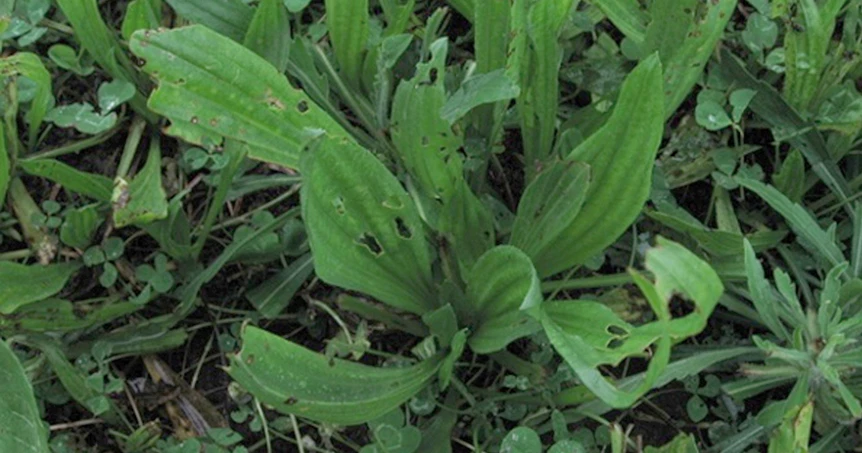
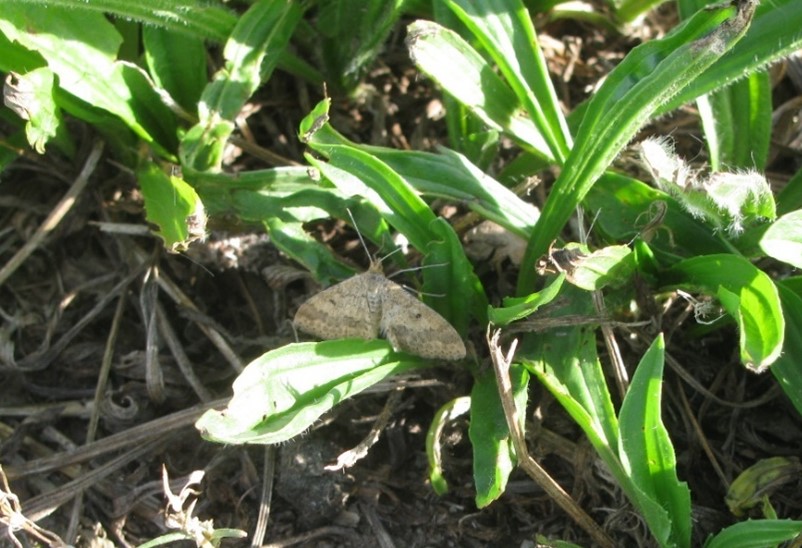
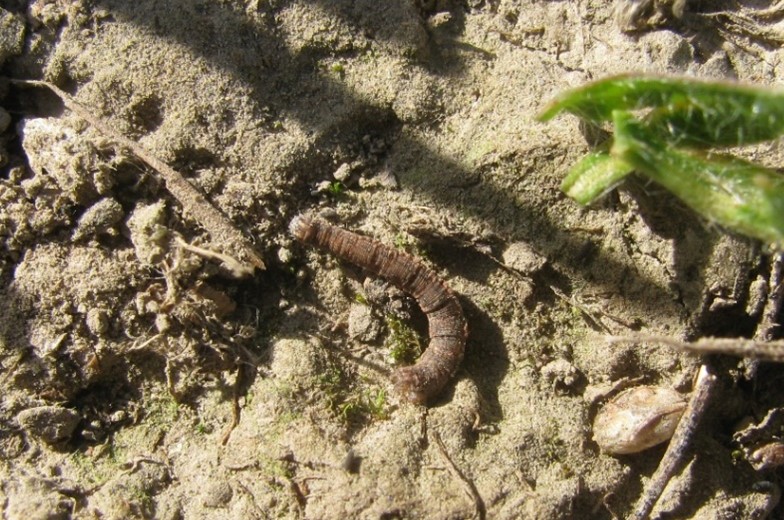
In late February to mid-March, holes may begin to appear in plantain leaves. These are caused by caterpillars (e.g., plantain moth, white butterfly, diamondback/cabbage moth). As caterpillars don’t feed on roots or growing points, this doesn’t usually affect plant growth. If the damage is severe, caterpillars can be controlled with an approved insecticide between December and May.


Now’s the perfect time to check in, plan, and set up for a strong season. We’ve pulled together smart tips and tools to help you stay ahead all winter long.
Whether you prefer to read, listen, or download handy guides, we’ve got you covered with trusted tools to support your journey every step of the way.
Put our proven strategies and seasonal tools to work. Boost production, support animal health and watch your profits hum.
Tools that are backed by science, shaped by farmers and made for this season.
That’s Summer Smarts.
Autumn Smarts brings together the research-backed tools that build resilience and boost performance.
The tools and insights you need to navigate the season with confidence. Backed by research and built for results – that’s Winter Smarts.